
Spring is hands down the perfect time to give your home a fresh new vibe. After months of cold and gray skies, the season brings a burst of energy and promise, making it ideal for refreshing your space. Whether you’re tackling a full redo or just a little sprucing up, the warmer weather and longer days create the perfect backdrop. Plus, the urge to clear out the old and welcome the new feels super satisfying. I’ve learned from experience that starting small with eco-friendly changes can lead to big, lasting results.
Now, more than ever, sustainable improvements aren’t just trendy—they’re essential. Eco-friendly upgrades reduce waste, save money, and create healthier living spaces. “Sustainability is about making smarter choices that benefit both your home and the planet,” design expert Lisa Green says. From energy-efficient lighting to non-toxic paints, you’ll soon find there are countless ways to go green without sacrificing style. Ready for a sneak peek? Stay tuned for budget-friendly, planet-loving ideas you’ll actually love!
Embracing Energy-Efficient Lighting
Swapping out those old bulbs for LED ones isn’t just about saving a few bucks—it’s a total game-changer for your home and the planet. LEDs use way less energy and stick around much longer than traditional bulbs, meaning fewer trips to the store (and less guilt about tossing burned-out bulbs!). Trust me, I learned this the hard way after fumbling with dim, flickering bulbs for months before finally making the switch. “Energy-efficient lighting isn’t just eco-friendly, it’s smart home economics,” an expert once told me.
Consider adding smart dimmers and timers to the mix—these little devices are super helpful for cutting waste. They adjust your lighting when you forget to flick the switch or want a cozy vibe in the evening, all while lowering your utility bills. It’s like giving your home a light whisper that saves the planet without you lifting a finger. Plus, your carbon footprint will thank you every bright, energy-saving step of the way.
Revamping Your Garden with Native Plants
When it comes to revamping your garden, native plants are the unsung heroes that make life easier. These green wonders are already familiar with your local soil and climate, so they tend to need less water and care. It’s like inviting old friends to your backyard party—they just fit right in! Plus, choosing natives means you’re supporting the environment, which feels pretty good after a long day of weeding and watering.
One tip? Start small and observe which plants your neighborhood critters love. Encouraging local wildlife and pollinators like bees and butterflies can turn your garden into a buzzing hive of activity. Another bonus is ditching harsh chemicals: organic compost will keep your plants happy and soil healthy. As landscape architect Jane Doe once said,
“Native plants are a gardener’s best friend—they work hard so you don’t have to.”
So, embrace the easy-going vibe of native plants and watch your garden thrive naturally!

Upgrading to Low-Flow Fixtures
Upgrading to low-flow fixtures is a smart and simple way to save water without sacrificing comfort. I remember the first time I swapped out my old showerhead for a low-flow model; the water pressure was surprisingly good, and my water bill took notice too! These fixtures are designed to use less water per minute, which means you’re conserving precious resources and cutting expenses at the same time. It’s a win-win!
Here’s a little tip: Many low-flow showerheads and faucets are easy to install yourself—no need to call a plumber. Just unscrew the old one, wrap some plumber’s tape around the threads, and screw the new fixture on. “Small changes like these can add up to massive water savings over time,” water efficiency expert Jane Smith says. Plus, every drop you save contributes to a healthier planet, making this upgrade both wallet and eco-friendly.
Incorporating Recycled and Sustainable Materials
Incorporating recycled and sustainable materials into your home décor isn’t just a trend—it’s a lifestyle shift that’s both stylish and kind to the planet. Using reclaimed wood or recycled metal in furniture adds character and uniqueness to your space. I remember hunting through local salvage yards, getting pleasantly surprised by hidden gems that look like they belong in a trendy boutique. Plus, it’s a win-win; you get a one-of-a-kind piece while saving resources. “Embracing recycled materials breathes new life into forgotten treasures,” an eco-design expert once noted.
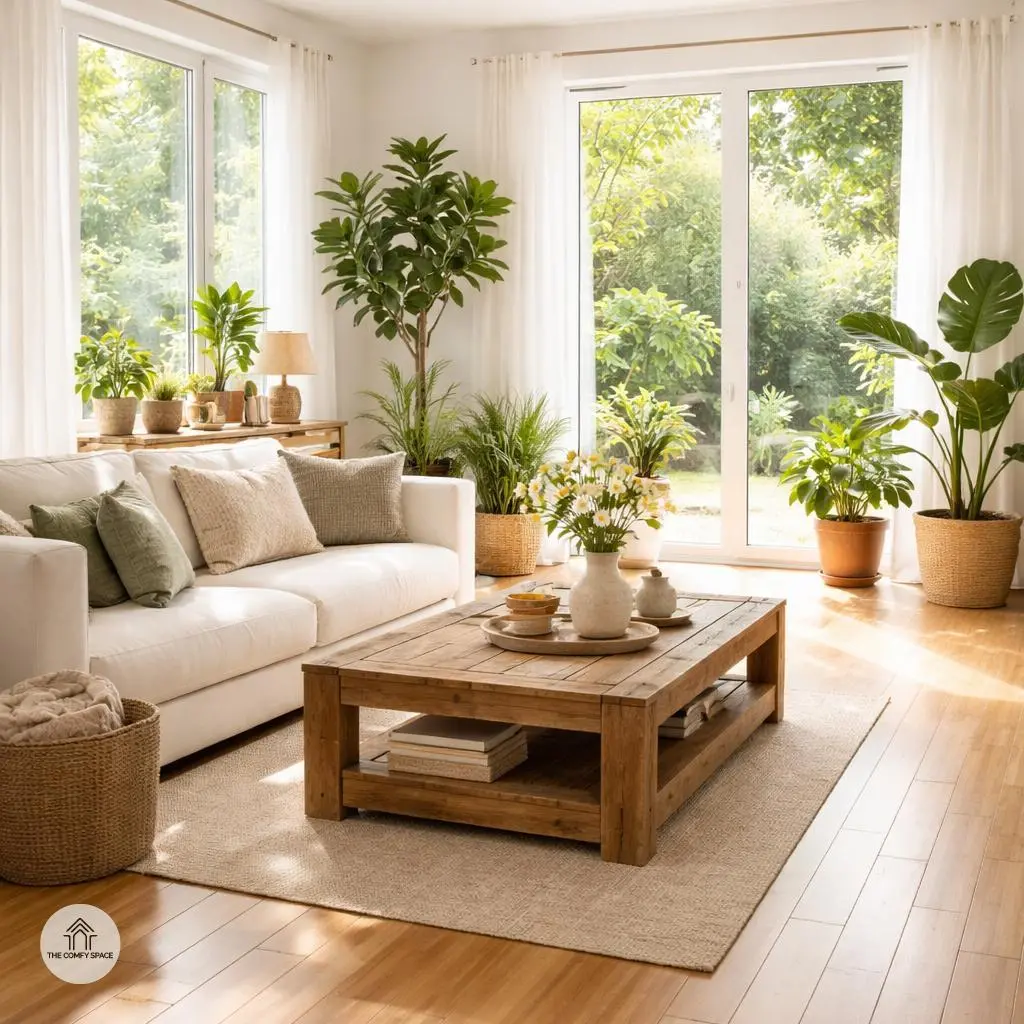
Eco-friendly flooring options like bamboo or cork are not only sustainable but also add warmth and texture to any room. Bamboo, for example, grows super fast, making it an incredibly renewable resource. When shopping sustainably on a budget, be patient and explore local thrift stores or online marketplaces. Small tweaks to your shopping habits can make a big difference without draining your wallet. Remember, sustainable decorating is about thoughtful choices, not perfection. Treat yourself to the joy of discovery—sometimes, the best finds are just around the corner!

Boosting Home Insulation for Year-Round Efficiency
Everyone knows that sneaky drafts can turn your cozy home into an iceberg during winter and a sauna in summer. Common culprits for heat escape include windows, doors, and even those tiny gaps around electrical outlets. A little detective work goes a long way—grab a candle and watch how the flame flickers to spot those leaks. My own first attempt was a comedy of errors, patching the wrong spots and almost setting the curtains on fire. Lesson learned, right?
When it comes to affordable insulation materials, you don’t need to break the bank. Options like fiberglass batts or foam board are wallet-friendly and pack a punch in keeping warmth in. According to insulation expert Jane Smith, “Investing a small amount in good insulation saves heaps on energy bills and keeps the house comfy all year.” Plus, a well-insulated home means lower energy costs and an invitation to relax in your personal, cozy haven. Who doesn’t want that?
Setting Up a Practical Composting System
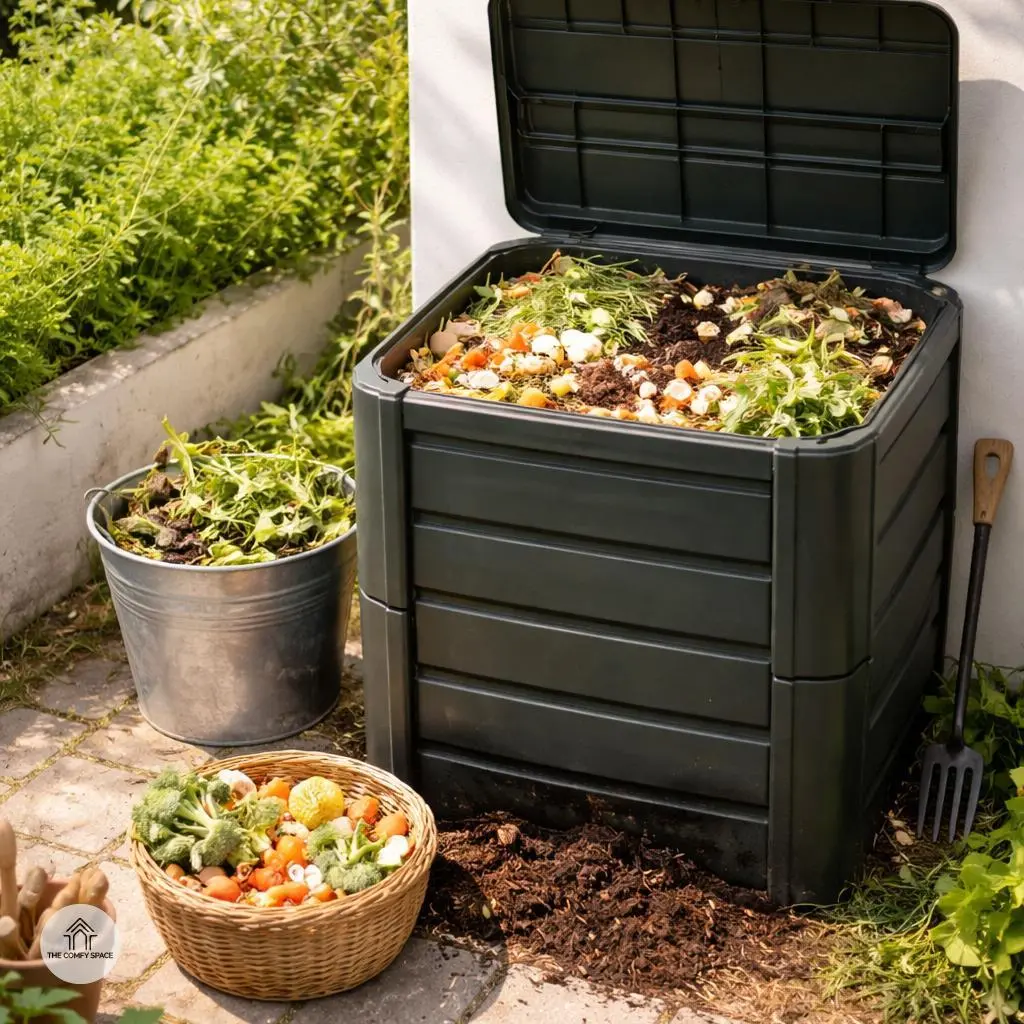
Starting a composting system might sound intimidating, but trust me, it’s easier than assembling that Ikea bookshelf we all dread! Begin by gathering your kitchen scraps—think veggie peels, coffee grounds, and eggshells—and yard waste like leaves or grass clippings. Make sure to avoid meats or dairy; those tend to attract neighborhood critters and, well, awkward smells. Remember, composting is a bit like baking: you need the right ingredients in balance.
There are various composting methods tailored to your space—whether you have a backyard or just a sunny balcony. Traditional bins work great outdoors, but for city dwellers, vermicomposting (using worms!) is a neat option. “The secret to composting is maintaining a balance between greens and browns,” garden expert Lisa Green says. The payoff? Nutrient-rich compost that naturally feeds your garden, reducing waste and giving your plants that happy glow we all strive for.
Creating a Sustainable Spring Cleaning Routine
Spring cleaning doesn’t have to mean reaching for harsh chemicals and feeling guilty about the environment. Swapping those toxic cleaners for natural, homemade alternatives is easier than you think. Simple ingredients like vinegar, baking soda, and lemon can tackle tough grime without the nasties. It’s a win-win for your health and the planet. Plus, as eco-friendly guru Emma Green says,
“Nature provides all the cleaning power we need, we just have to know where to look.”
Another green cleaning tip? Instead of tossing out old items, try recycling or donating them. You’d be surprised how liberating it feels to declutter with a purpose. Keep stress low by breaking your routine into easy steps—think a little each day rather than an overwhelming weekend marathon. This way, your spring cleaning is green, guilt-free, and a lot more doable without pulling your hair out!