
Spring is the perfect time to shake off those winter blues and dive into gardening. It’s not just about planting flowers or vegetables; it’s a breath of fresh air that soothes the mind and sparks joy. I remember my first season—an enthusiastic mess of overwatered seedlings and misplaced tools. But hey, those mistakes taught me more than any book could!
“Gardening isn’t just dirt under your nails; it’s therapy for the soul,”
a seasoned gardener once said, and honestly, they nailed it. Whether you’re new or have a green thumb on point, this blog’s got the practical tips that’ll save you time and keep your outdoor space thriving, minus the stress.
Preparing Your Garden Soil for Success
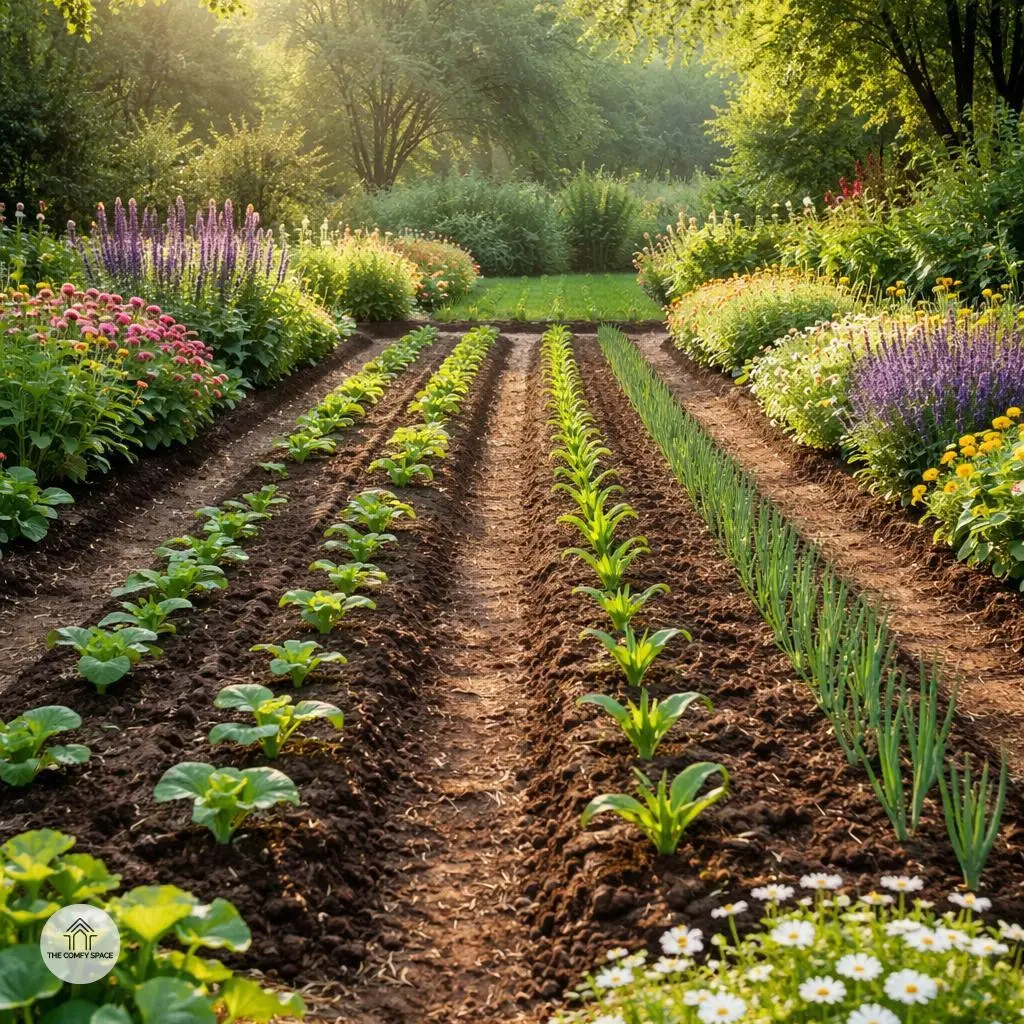
Getting your garden soil ready is like prepping a canvas before painting—it sets the stage for a thriving garden masterpiece. Start by testing your soil’s pH and nutrient levels; a simple DIY kit from a local garden center can work wonders. Knowing whether your soil is too acidic or alkaline helps you choose the right plants and amendments. Adding compost or organic matter breathes life into tired soil, improving texture and fertility. Think of it as feeding your garden’s belly with a tasty, nutrient-rich meal.
Don’t forget the cleanup—removing weeds and old plant debris clears the battlefield for new growth. I once skipped this step and faced a jungle of unwelcome guests choking my seedlings. As gardener Emma Green advises,
“Prepping the soil is the secret handshake to a happy garden.”
So, take your time, get those hands dirty, and watch your garden thank you with vibrant blooms!
Choosing the Right Plants for Spring
Choosing the right plants for spring is a game-changer for any garden newbie or seasoned green thumb. Native plants are the MVPs here—they’re already tuned to your local climate, so they grow faster and need less fuss. I learned this the hard way after a shopping spree at my local nursery resulted in a few sad, droopy plants. Now I always start with natives; they’re like the reliable friends of the plant world. Plus, combining perennials with annuals keeps your garden colorful all season without the worry of everything fading at once.
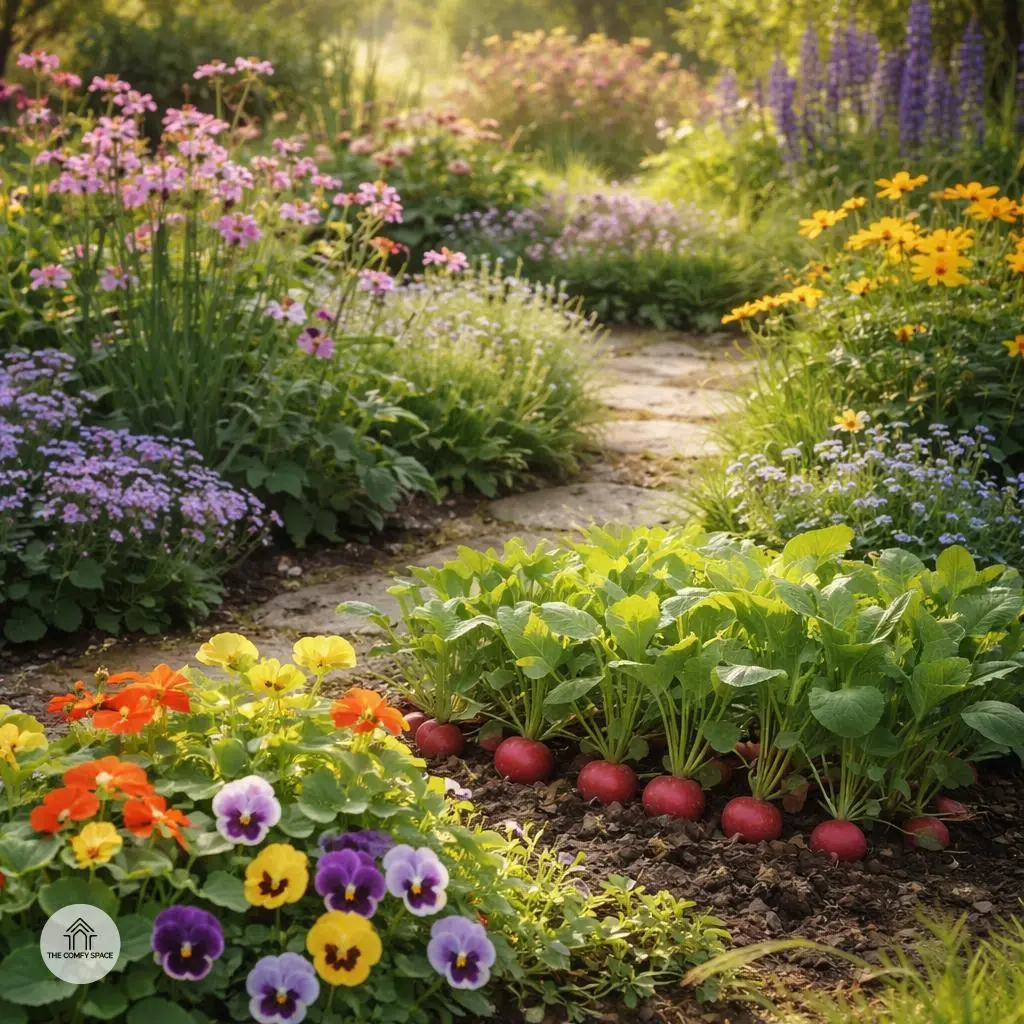
Here’s a practical tip: select flowers and veggies specifically suited to spring’s weather. Early radishes and pansies, for example, love the cool temps and will make your garden pop. A friend once told me,
“A garden that grows with the seasons is a garden that keeps your heart happy.”
Mixing hardy perennials with vibrant annuals means you get bustle and bloom without constant replanting stress. It’s like gardening with a built-in support system!
Effective Watering Tips for Healthy Plants
Watering plants might sound simple, but even seasoned gardeners face challenges. One key trick is watering early in the morning. This reduces water evaporation and gives your plants a good drink before the day’s heat kicks in. Trust me, hopping out of bed to water sounds like a chore, but your plants will thank you. Plus, it’s easier to spot thirsty plants in the morning light!
Using drip irrigation or soaker hoses is a game changer. These methods deliver water directly to the roots, encouraging deep growth and conserving water. However, beware of overwatering – it’s a classic rookie mistake that can cause root rot. As garden expert Maria Lopez wisely notes,
“Too much love can drown your plants. Less is often more.”
So, keep a close eye on how much and how often you water to keep your greens happy and healthy.
Creative Garden Layout Ideas
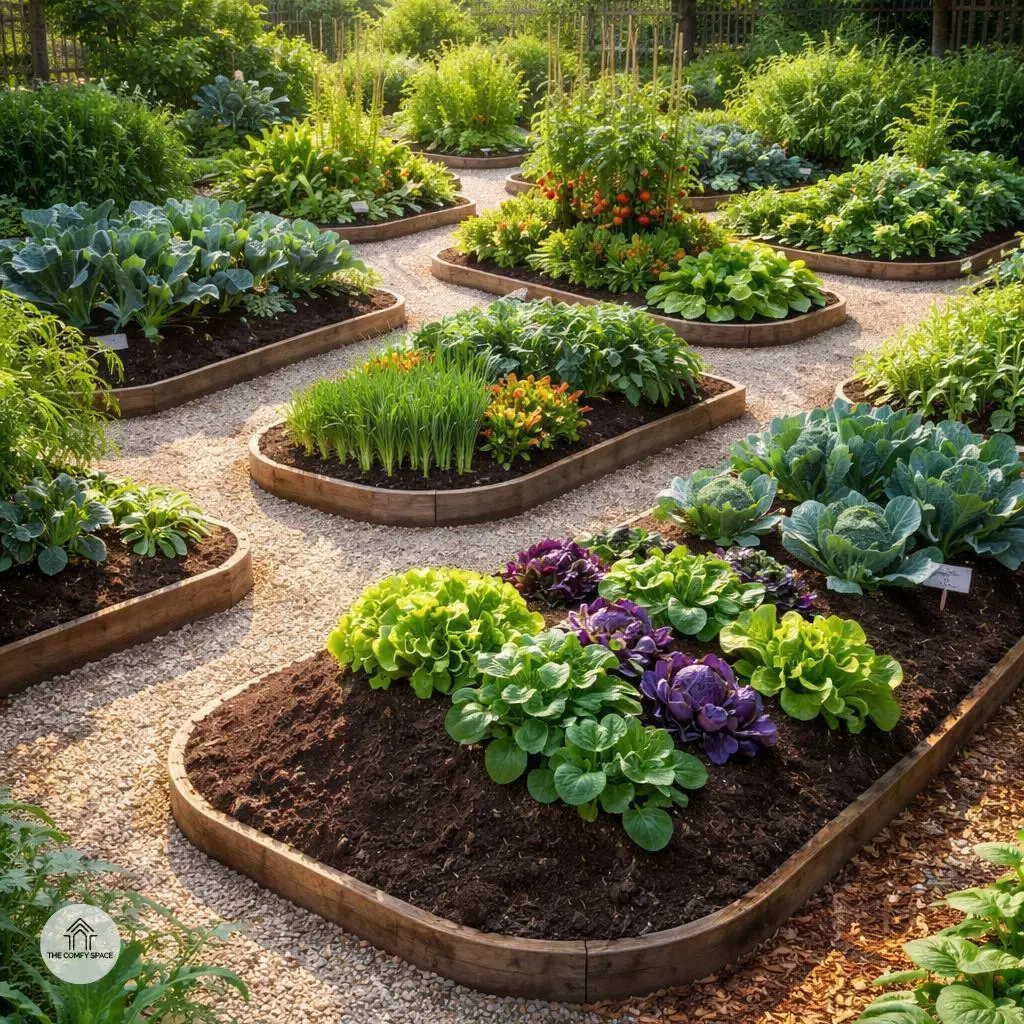
Designing a garden layout can feel like solving a fun puzzle, but with real dirt and plants! One of the smartest moves I’ve learned is to use raised beds. They help with drainage and save your back when you’re hunched over weeding or harvesting. It’s like having mini mountains of soil that keep your veggies happy and healthy.
Also, paths made from gravel or mulch not only add charm but make strolling through your garden a daily pleasure. Grouping plants based on their watering needs was a game-changer for me. As garden expert Jane Smith says,
“Grouping plants by water requirements saves time and prevents overwatering disasters.”
Trust me, your hose will thank you!
Simple Pest Control Strategies
Managing pesky invaders in your garden doesn’t have to involve harsh chemicals. One of my favorite tricks is attracting beneficial insects like ladybugs—they are nature’s tiny warriors! These colorful critters feast on aphids and other common pests, helping to keep your plants healthier without any toxic aftermath. Planting marigolds or dill nearby can bring these helpful bugs right to your garden party.
Another tip is to dodge harsh chemicals altogether and embrace natural remedies like neem oil. It’s gentle, yet effective, and won’t leave you feeling guilty about your green space. Remember, a healthy plant is a pest-resistant plant. Keep up with regular watering, avoid over-fertilizing, and prune wisely. As gardening expert Linda Woods says,
“Plants thrive with good care, and pests often back off when their buffet isn’t so appealing.”
Maximizing Your Garden with Vertical Planting
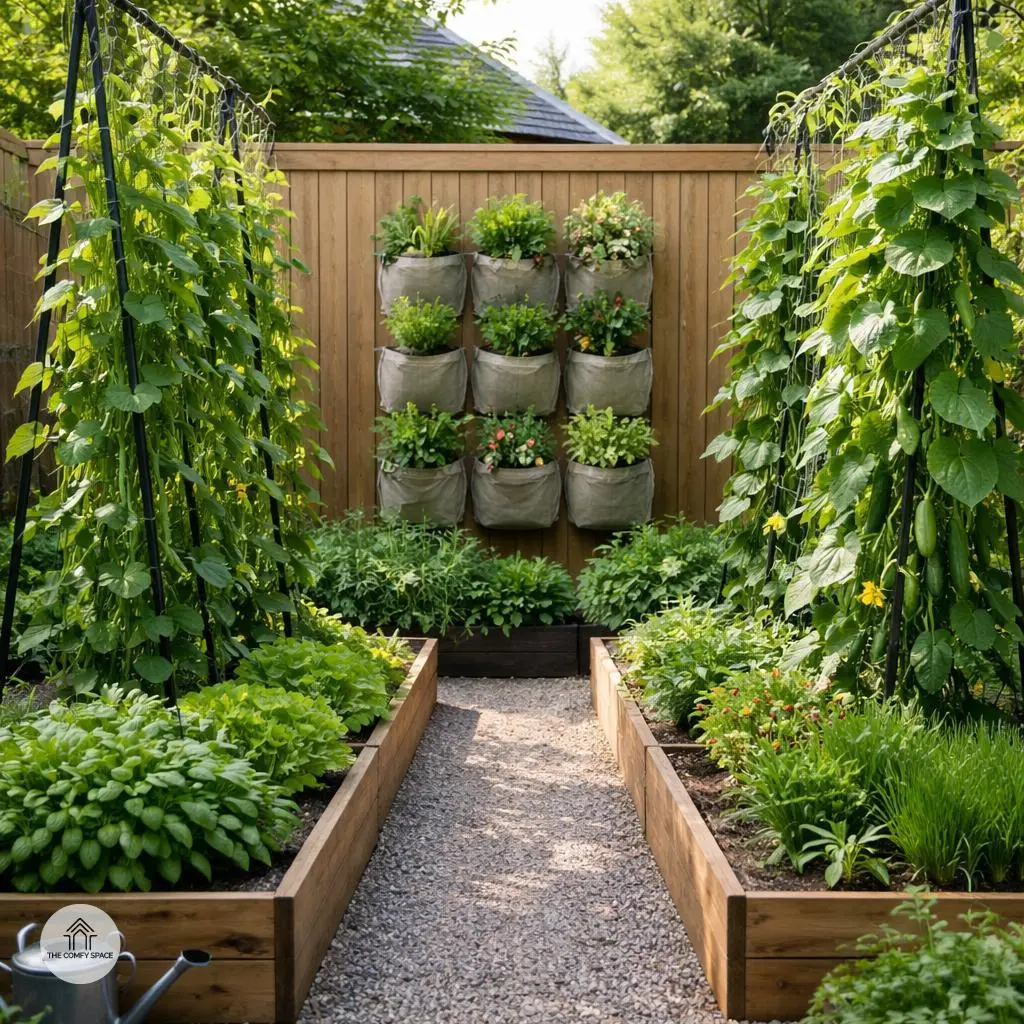
Ever felt cramped in your garden and wished for just a bit more room? Vertical planting is your best friend here. Using trellises and vertical planters can transform even the tiniest backyard into a lush paradise. Not only does it save precious ground space, but it also brings your plants up closer to eye level, giving them room to stretch and grow. Plus, let’s be honest, it makes your garden look super chic—kind of like a green skyscraper!
Growing climbing plants like beans and cucumbers vertically is a game changer. They love the lift, and in return, you get healthier, less crowded plants. This setup also helps with air circulation, reducing mildew and pests. “Maximizing vertical space not only boosts yield but adds a fresh aesthetic tweak to any garden,” horticulturist Amy Lee says. Pro tips: start with sturdy trellises and remember, those plants can get heavy, so anchor well. Happy gardening!
Regular Maintenance for Long-lasting Beauty
Keeping your plants looking vibrant and healthy isn’t just about planting them right; regular maintenance is key. Pruning dead or overcrowded branches is a simple step that can make a huge difference. It’s like giving your plants a fresh haircut, helping them grow stronger and preventing diseases. I once tried skipping this step and ended up with a jungle rather than a beautiful garden – lesson learned!
Mulching is another fantastic tip to hold moisture and keep those pesky weeds at bay. Imagine wrapping your plants in a cozy blanket, they’ll thank you by thriving. And don’t forget to keep a gardening journal. Recording what worked and what didn’t saved me from repeating mistakes and made the whole process way more enjoyable. As landscape designer Jane Smith says,
“Good gardening is about thoughtful observation and steady care.”