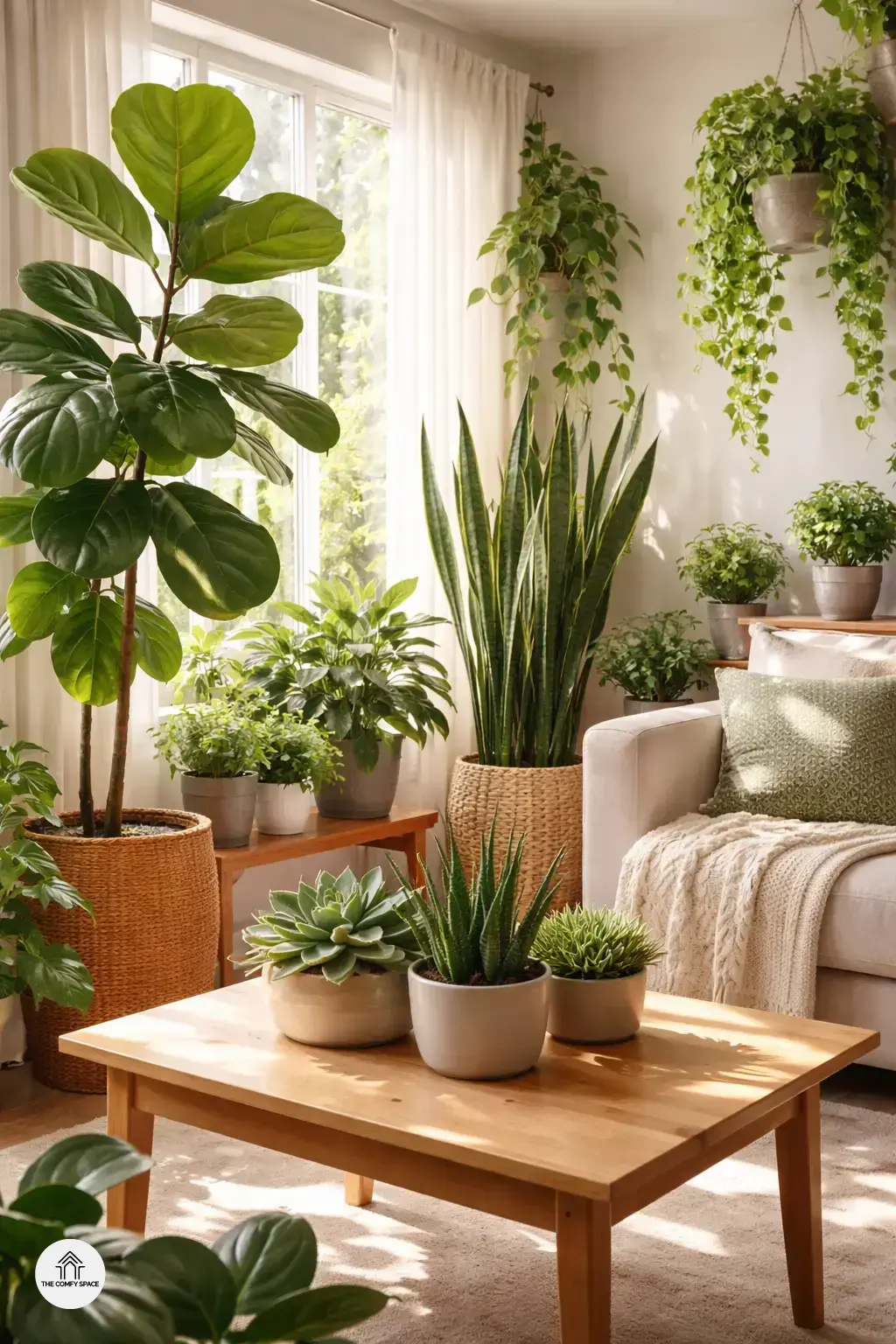
Ever heard of biophilic design? It’s all about bringing nature indoors, making your space feel alive and vibrant. Think of it as a hug from Mother Earth right in your living room! What biophilic design means is simple – integrating natural elements like light, water, and especially houseplants to create a soothing environment. I once crammed a desk plant into a corner, and guess what? My mood instantly lifted. “Bringing greenery inside boosts not just air quality but also our spirits,” a renowned interior designer shares.
Now, why houseplants are a game-changer for your home goes beyond aesthetics. They’re little mood and creativity boosters. Studies show that having plants around helps reduce stress and sparks fresh ideas. Trying to find time to shop for them? I learned the hard way to avoid impulse buys at big stores. Instead, go local or online – your green babies will thank you! Getting a bit of nature indoors might just turn your home into your favorite sanctuary.
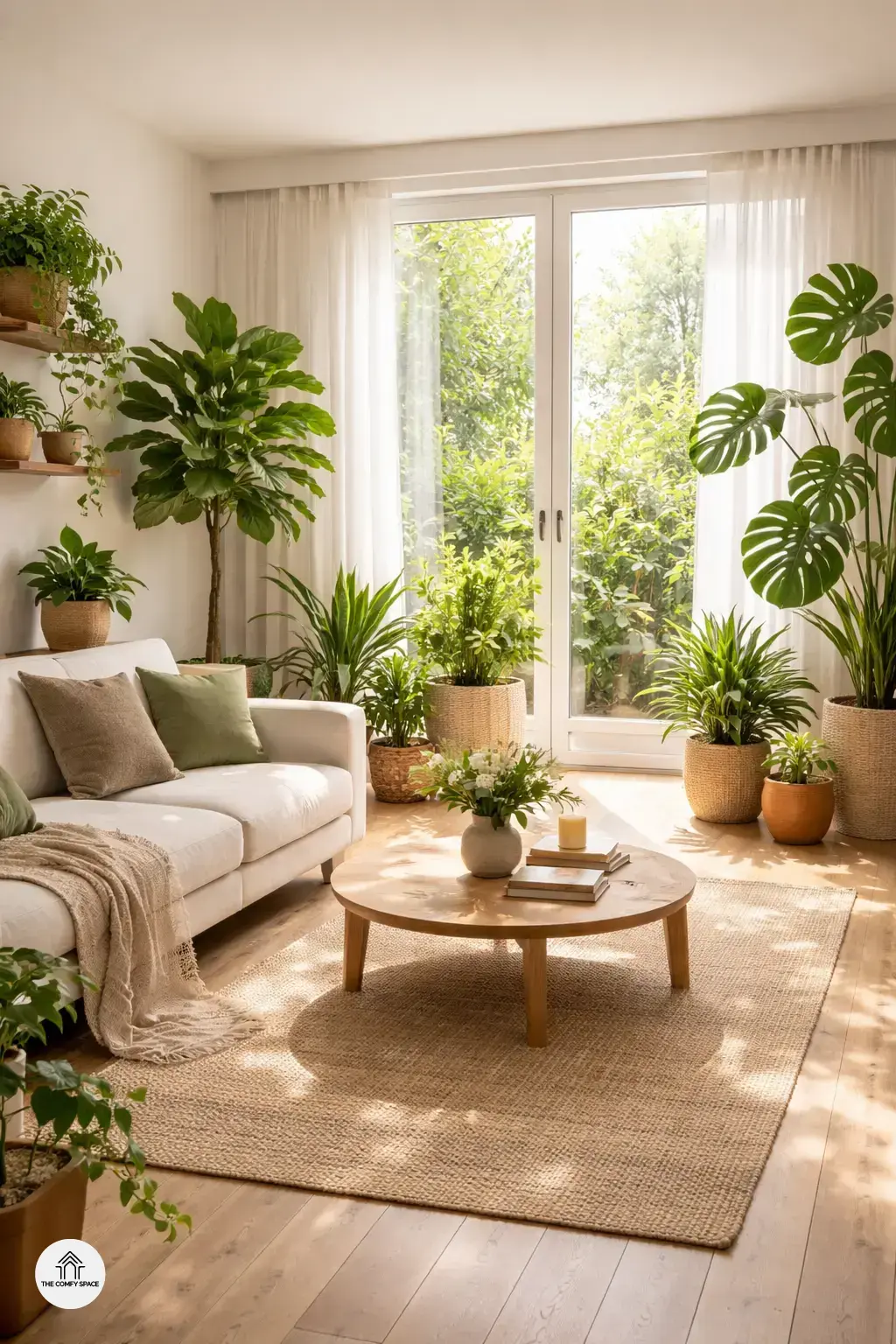
Choosing the Right Houseplants for Your Space
Choosing the right houseplants is like matchmaking for your home décor. Start by sizing up your space and lighting. Bright windows? Go for sun-loving succulents or fiddle leaf figs. Shady corners? Snake plants or pothos are your new best friends. Trust me, I once bought a tropical beauty expecting it to thrive in my dim hallway—spoiler alert: it didn’t.
Next, be honest about your plant parenting skills. For busy bees, low-maintenance plants like ZZ plants and spider plants are lifesavers. And here’s a little insider tip: match plant textures and colors with your interior style. Rustic rooms? Try wild-looking ferns. Minimalist nook? Go sleek with a monstera. “Right plant, right place,” garden guru Emma Green says. Easy-peasy and stylish—your green thumb journey just got fun!
Creative Ways to Display Houseplants Indoors
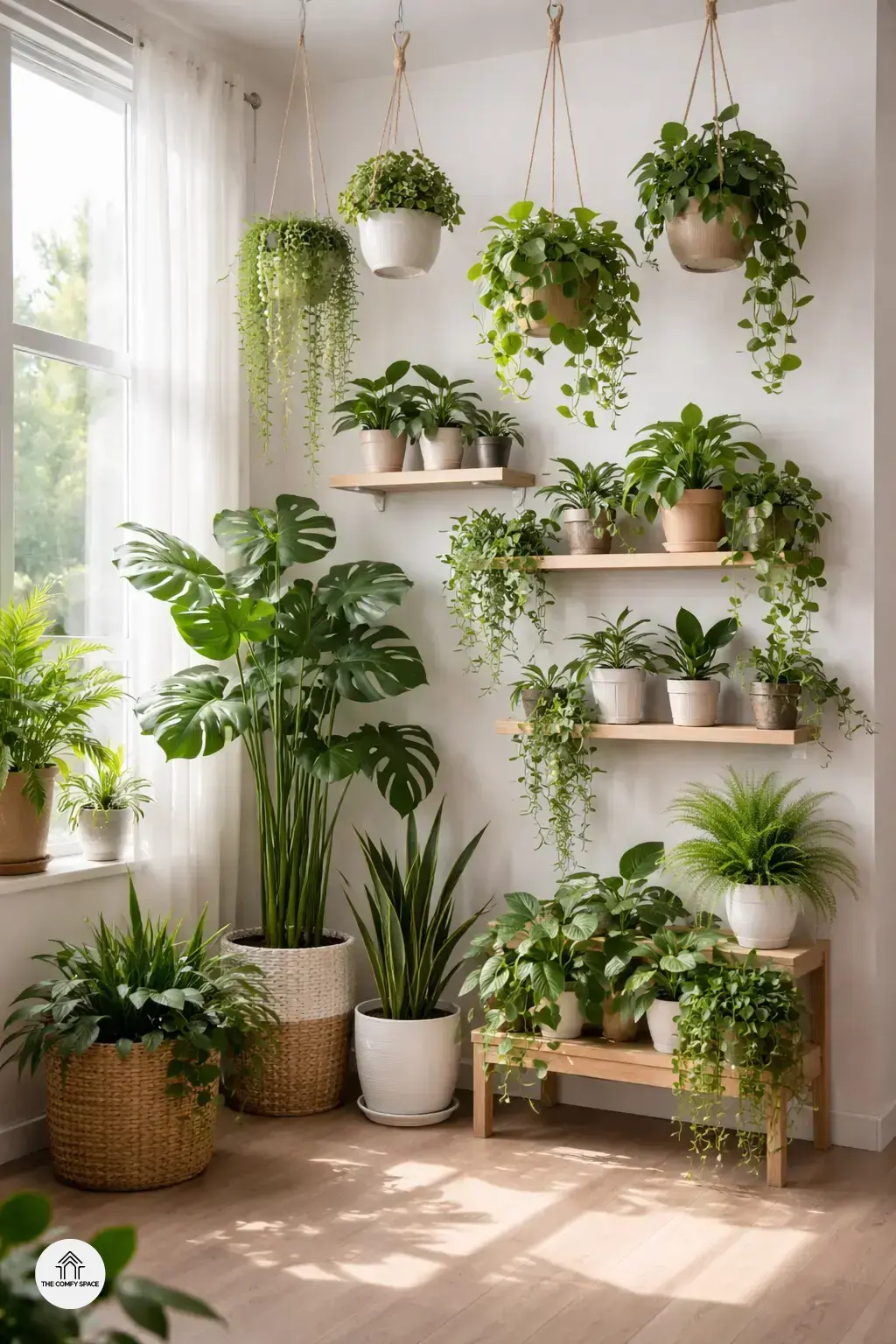
Bringing houseplants indoors is fun, but deciding where and how to display them can get tricky fast. One of my biggest goofs was cramming every plant on a single shelf. Talk about a jungle mishap! Instead, try using hanging planters and shelves to add some vertical greenery without eating up floor space. It’s like giving your plants the penthouse view they deserve. “Utilizing vertical space maximizes natural light exposure,” interior designer Lana Green says, highlighting a smart move for healthier plants.
Another tip: create a plant corner with varied heights. Play around with tall, trailing, and bushy plants together. It makes your space feel lush and balanced, like its own little green gallery. Don’t stop there—plants aren’t just for living rooms! Placing small succulents or ferns in unexpected spots like bathrooms or kitchen windows adds surprise and freshness. Just watch out for that overwatering slip-up; I learned the hard way that even plants hate a soggy seat!
Common Mistakes and How to Avoid Them
When diving into the world of houseplants for your biophilic design, it’s easy to trip up. Overwatering or underwatering your plants is like trying to find a sweet spot on a seesaw. Both can leave your green buddies feeling under the weather. Remember, a plant can’t tell you it’s thirsty or drowning, so regular checks are key. Neglecting plant placement relative to light is another classic. Plonking a sun-loving succulent in a gloomy corner? Major no-no. Plants love their sunlight just like we do!
Starting with hard-to-care-for plants can also be a rookie mistake. Trust me, I’ve been there—ended up nursing a forlorn fern that just wouldn’t forgive my newbie errors. Begin with low-maintenance plants like pothos or snake plants. They forgive forgetful watering and waning attention with grace. As garden guru Linda Green says,
“Start simple and let your confidence grow as your plants do.”
Keep these tips in mind, and your plant journey will be way less stressful and way more fun.
Real-Life Stories: Learning the Ropes with Houseplants
Jumping into the world of houseplants can feel like adopting tiny green roommates who don’t always follow the rules. Take my battle with a finicky fiddle leaf fig, for example. This diva plant demanded just the right light and water — and boy, did it teach me patience! I definitely killed a few before figuring out it prefers gentle, indirect sunlight and a thorough but infrequent watering. As plant expert Jane Doe says,
“Understanding your plant’s personality is half the battle.”
Then there’s the snake plant, my little survivor. Despite my forgetful watering schedule, it thrived with minimal fuss. Watching it bounce back was a real confidence boost! Learning from friends also helped—a mix of successes and epic fails taught me valuable tips:
- Keep succulents in bright light but avoid sunburn.
- Overwatering is the most common killer.
- Don’t be afraid to experiment and learn.
Every mistake was a stepping stone to creating my indoor jungle, and isn’t that part of the fun?