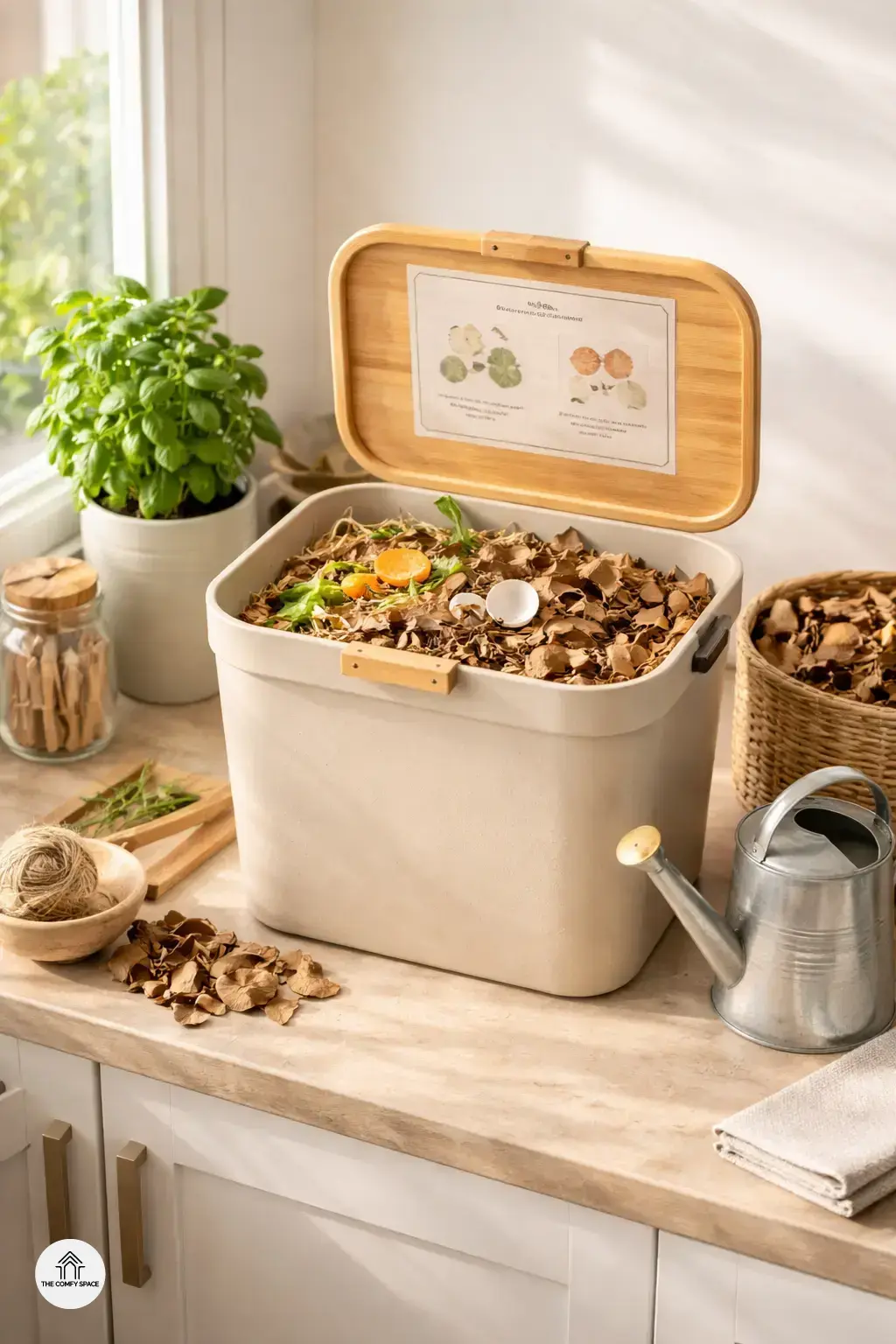
Zero-waste composting is all about turning kitchen scraps and garden waste into nutrient-rich soil, right in your own home. It’s a brilliant way to reduce household waste while giving back to the earth. Why zero-waste matters? Because every peel, leaf, and coffee ground you compost means less trash heading to landfills, cutting down your carbon footprint. Beginners often worry if composting will be messy or complicated, but it’s actually super rewarding once you get the hang of it.
Expect some trial and error at the start – I’ve had my fair share of smelly bins and over-moist soil moments! But with a dash of patience and a little guidance, you’ll find it’s easier than you think. As eco-expert Jane Green says,
“Starting small at home creates big waves in sustainability.”
Soon, your compost corner will be a proud, refreshing part of your home routine.
Choosing the Perfect Spot for Your Compost Corner
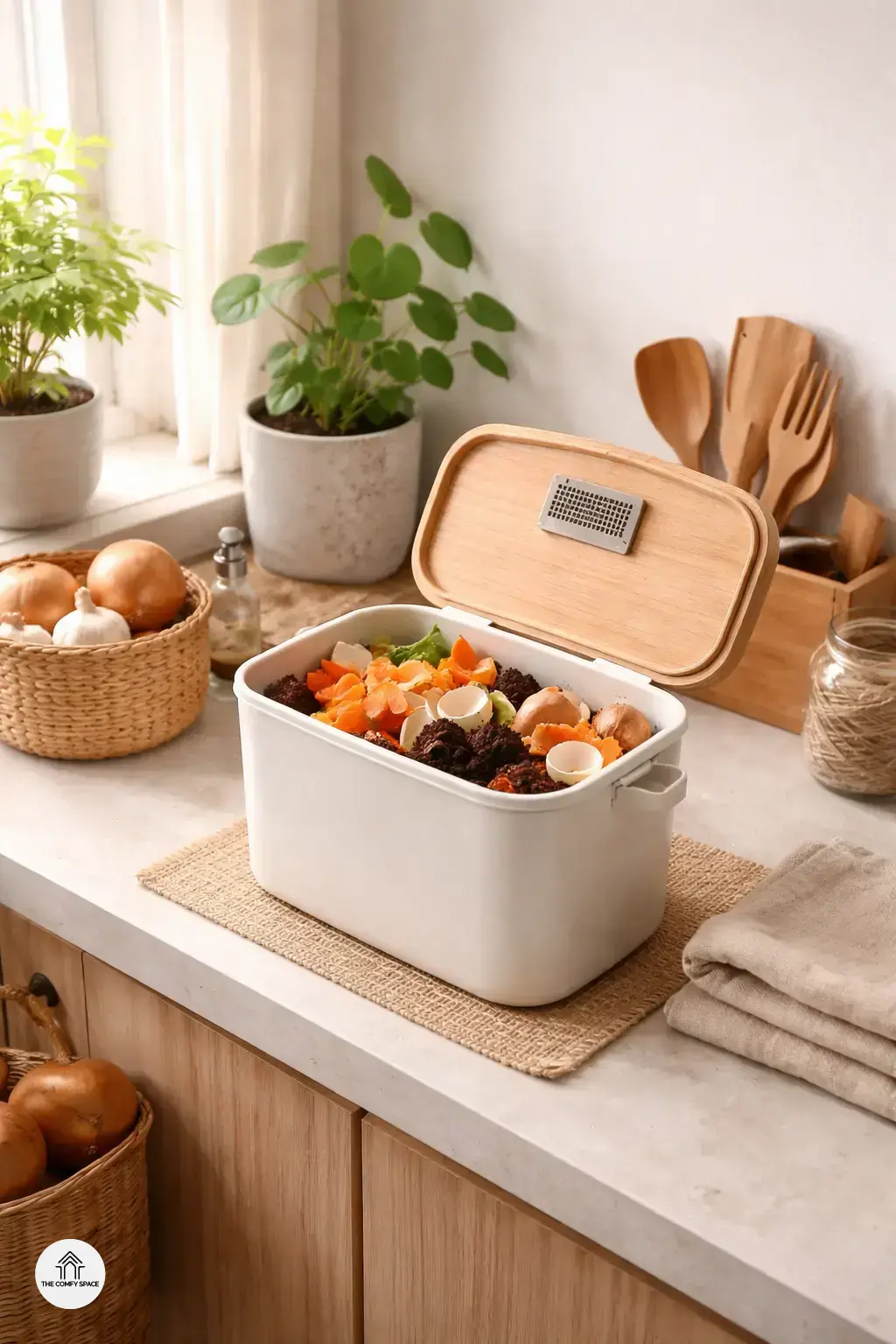
Choosing the perfect spot for your compost corner is key to making composting an easy and enjoyable habit. Most beginners, myself included, often pick a spot without much thought, only to realize later it’s either too sunny or inconveniently far from the kitchen. A dry, shady place in your yard or balcony is ideal—it keeps the compost moisture balanced and prevents it from drying out or overheating. Plus, it avoids the unpleasant surprise of strong sunlight turning your compost bin into a sauna!
Accessibility matters too. Having your compost corner close to the kitchen encourages tossing scraps without the hassle of a long trip outside. Just imagine making that extra walk in the middle of your cooking frenzy—who needs that? And don’t forget to avoid windy spots to keep your compost pile intact and odors under control. As sustainability expert Dana Cox says,
“Location is everything when it comes to home composting—it should be convenient, sheltered, and out of sight.”
Trust me, a strategic spot makes all the difference in forming a zero-waste routine!
Essential Tools and Materials You’ll Need
Setting up your zero-waste compost corner starts with gathering the right tools. You don’t need anything fancy – a simple compost bin or even a DIY container can do the trick. I remember my first bin was just an old storage box with some holes punched for airflow. It might have been a bit messy, but hey, it worked! As gardening expert Sarah Green says,
“Starting small with simple tools makes composting approachable and fun.”
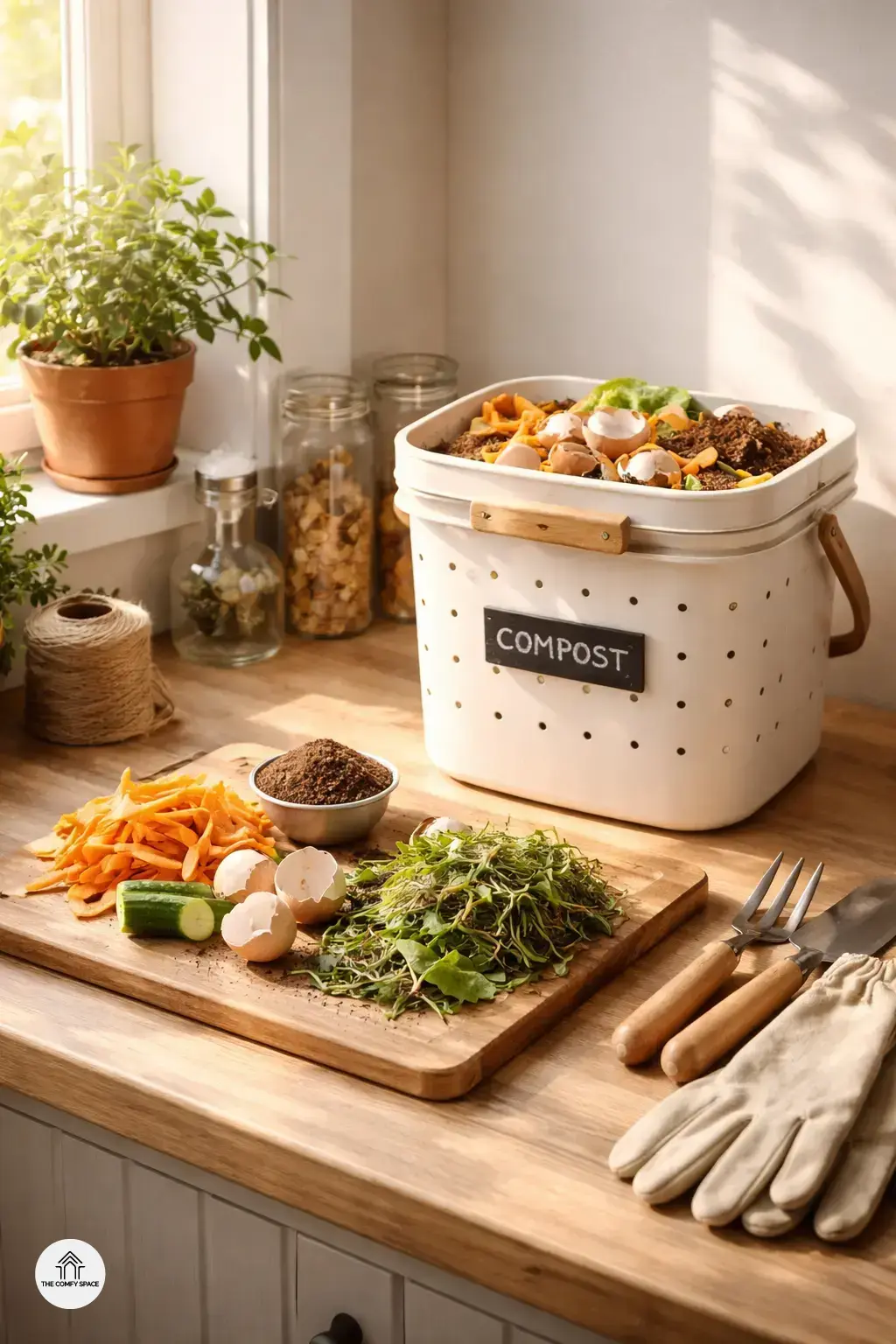
Next, you’ll want kitchen scraps and yard waste – basically, all those peels, coffee grounds, and grass clippings you’d normally toss. Don’t forget gardening gloves and a small garden fork; they make turning the compost less “eww” and more efficient. Trust me, fumbling around with bare hands is not as glamorous as it sounds! Having these essentials on hand makes maintaining your compost corner a breeze and keeps your home eco-friendly and fresh.
Tips for Managing Your Compost Daily
Managing your compost daily might sound like a chore, but trust me, it’s more like tending to a quirky little garden buddy. The secret sauce? Balancing green and brown materials. Greens are your fruit peels and veggie scraps, while browns are dried leaves and cardboard bits. Too much green and you’re battling a smelly mess; too much brown and it’s a slow compost party. A friendly professional once said,
“A happy compost pile is a balanced one.”
Turning the compost regularly is key to keep things thriving—think of it as giving your pile a gentle nudge to air it out and speed up the magic. Also, keep it moist but not soggy, like a wrung-out sponge. I learned this the hard way after an accidental flood turned my kitchen compost corner into a mini swamp! With a bit of love and daily care, your compost corner will be the star of your zero-waste journey.
Troubleshooting Common Composting Problems
Dealing with odors and pests is probably the biggest headache for beginners. Believe me, I once thought my compost was haunted by some mysterious stench! But here’s the trick: keep a good balance of green and brown materials and turn your pile regularly. Compost expert Linda Green says,
“A balanced mix of ingredients and good airflow keeps odors and pests away.”
Plus, avoid tossing in meat or oily foods—that’s a magnet for unwanted critters.
Now, what if your compost feels more like a desert or a swamp? A compost that’s too dry won’t break down well, and too wet compost smells funky and attracts flies. Just add water like you’re watering a plant if it’s dry, or throw in some dry leaves or paper if it’s soggy. I learned the hard way after ignoring a soggy pile that smelled awful for a week—lesson learned! Patience and adjusting moisture are key to overcoming these common composting hiccups.