Welcome to your journey toward a greener, healthier lawn this spring! Embracing eco-friendly lawn care is more than just a trend—it’s a chance to make a real difference. Why eco-friendly lawn care matters? Well, it helps reduce harmful chemicals in our environment, making your yard safer for kids, pets, and local wildlife. Plus, it often saves you money and time. I remember buying all those fancy sprays from the big box store, only to realize natural options work just as well, if not better.
What benefits do you and the environment get? For one, less water pollution and more natural soil health. And guess what? Early spring is perfect for swapping out harsh chemicals with easy, earth-friendly alternatives. From composting grass clippings to cutting your watering back, these simple steps can transform your lawn care routine. “A greener lawn starts with smarter choices,” says eco-lawn expert Jamie Green. Ready to explore? Let’s dive into these easy swaps that everyone can handle—even if you’re a self-professed lawn care newbie!
Choosing the Right Grass and Plants for Your Yard
Choosing the right grass and plants for your yard is like picking the perfect outfit—it has to fit your space and lifestyle! Opting for native grass species is a smart move. These grasses are adapted to your local climate, require less water, and practically know how to take care of themselves. “Native plants are the superheroes of low-maintenance lawns,” lawn expert Sarah Green says. Plus, you’ll save money on water bills and reduce your carbon footprint.
Another tip? Go for drought-resistant plants. They thrive in dry spells, which means fewer trips to the sprinkler. I learned this the hard way after my petunias turned crispy last summer! To add some cheer and help local pollinators, mix in wildflowers for a splash of color and biodiversity. It’s a win-win for your garden and the environment!
Natural Fertilizers and Composting Tips
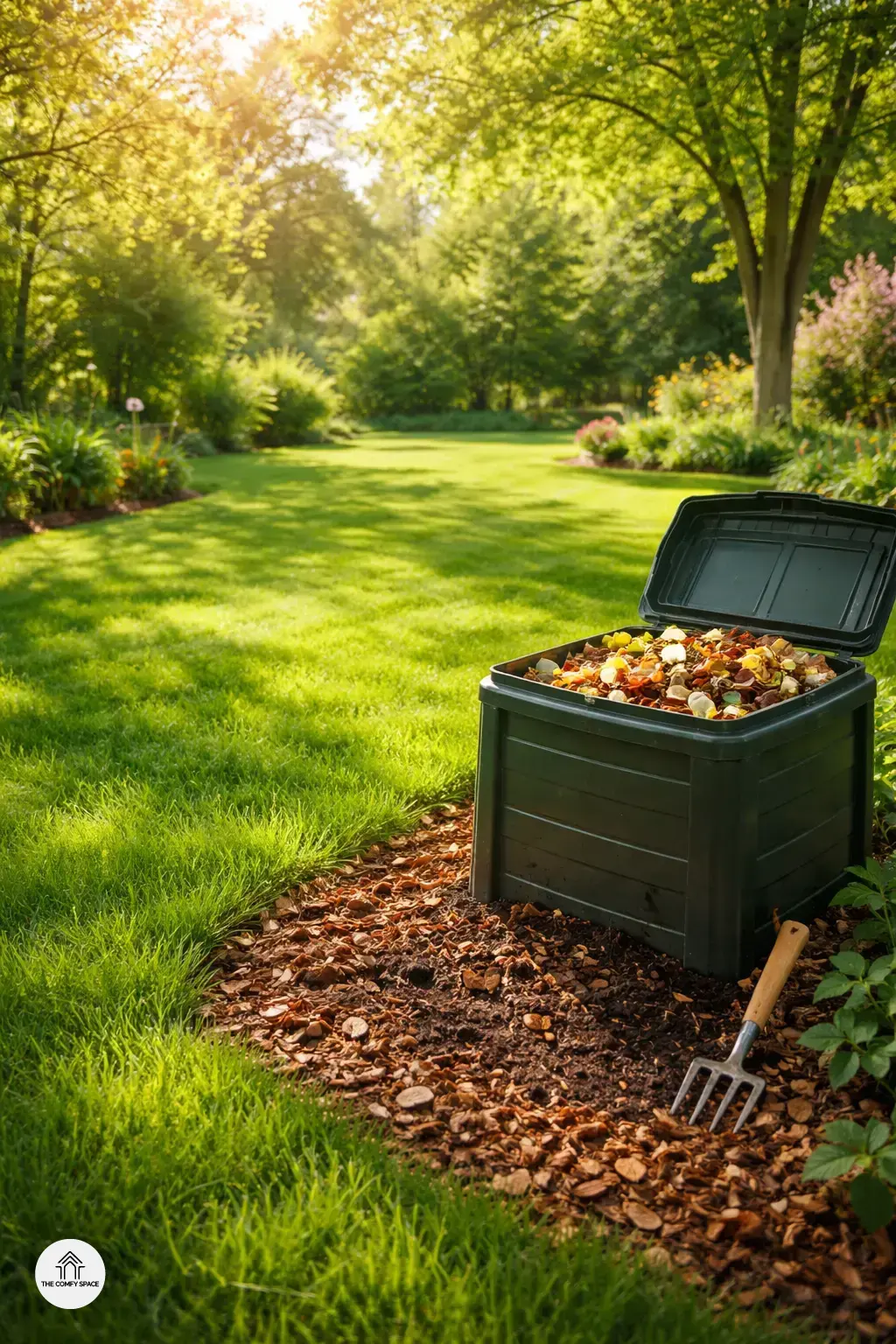
Nothing beats the satisfaction of turning your leftover kitchen scraps into nutrient-rich compost. It’s like nature’s recycling at its best! Making your own compost not only cuts down waste but also feeds your lawn with natural goodness. I once made the mistake of buying pricey, chemical-laden fertilizers, but my soil hated it—literally. “Avoid chemical fertilizers that harm soil life,” experts often remind us, and trust me, your lawn will thank you for sticking to organic options.
Another pro tip? Use organic mulch to lock in moisture. It saves water and keeps weeds at bay, which means less work for you and a happier yard. Next time you visit your local garden center, skip those synthetic products and grab some shredded leaves or bark. It’s a game changer for eco-friendly lawn care!
Smart Watering Practices to Save Resources
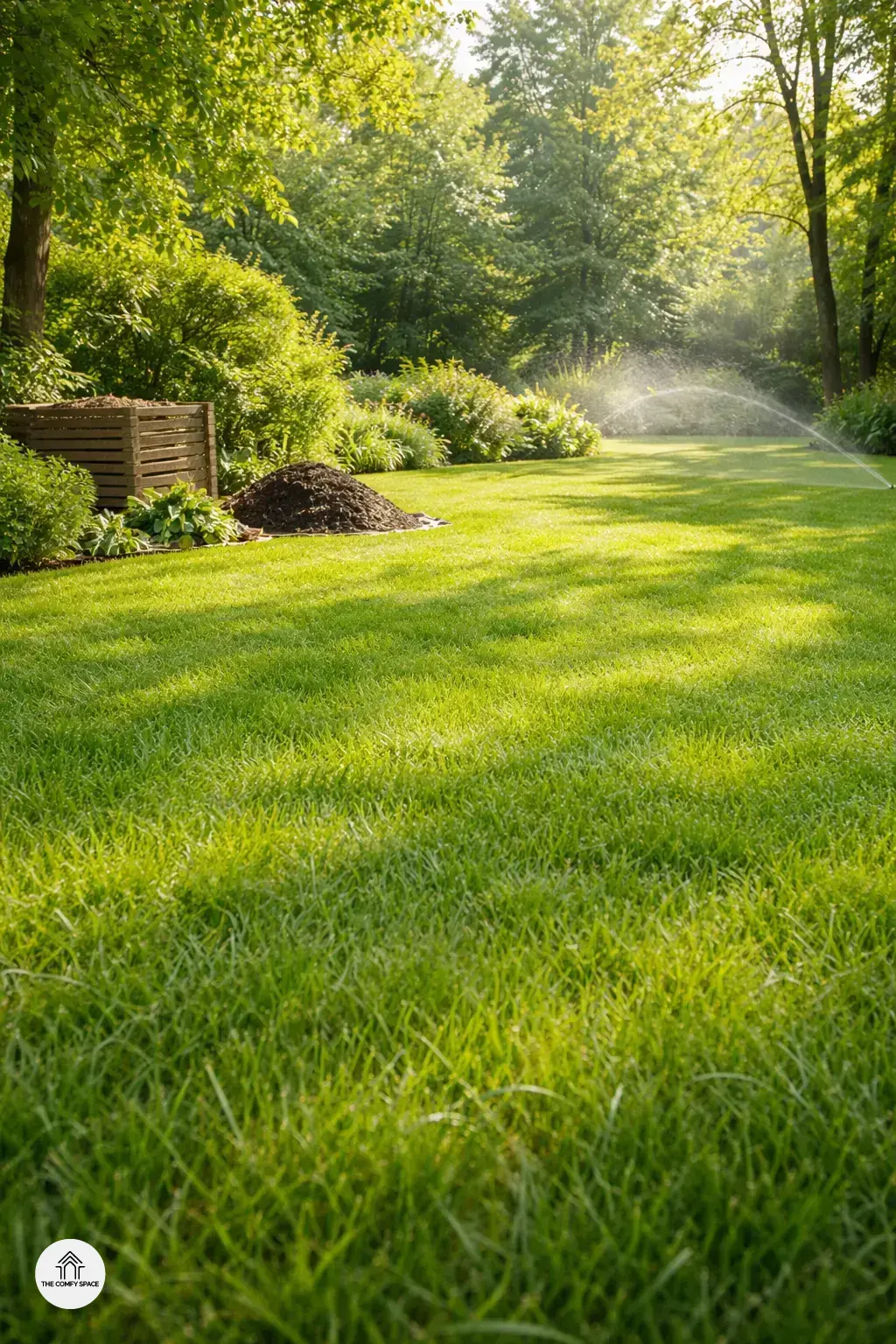
Smart watering practices can make a huge difference in maintaining a lush, green lawn while conserving precious resources. Watering early in the morning or late in the evening helps minimize evaporation, ensuring your lawn actually gets the moisture it needs. I learned this the hard way after watering at noon only to find my hose running dry and my grass still thirsty! Plus, watering during cooler hours helps prevent fungal diseases that love damp, warm conditions.
Another game-changer is using rain barrels to collect water naturally. Setting up a rain barrel by your downspout means you’re harvesting free water straight from the sky—saving both money and the environment. And for those who want to get really efficient, installing drip irrigation systems provides precision watering, targeting roots without wasting a single drop. Landscape pro Jamie says,
“Drip irrigation isn’t just smart—it’s a water-saving superhero.”
Give it a try and watch your lawn thrive with less fuss and fewer resources.
Reducing Lawn Mowing Impact and Pest Control Ideas
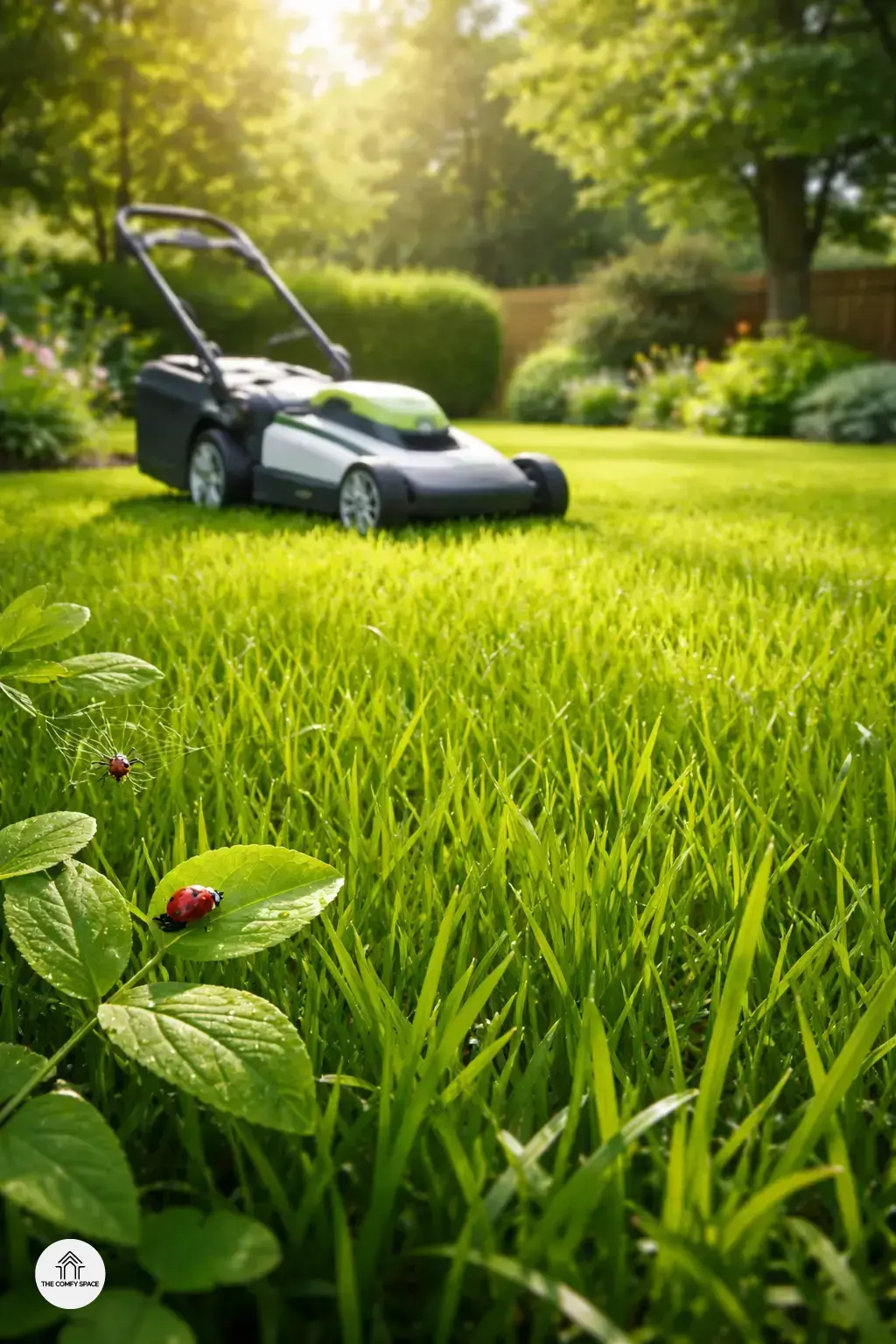
One of the sneakiest ways we harm our lawns without even realizing it is by mowing too low. Setting mower blades higher can actually protect grass roots, letting them grow stronger and hold onto moisture better. I learned this the hard way after scalping my lawn one too many times—hello, brown patches! From now on, I swear by the higher setting, and my yard looks much happier.
Switching from gas-powered mowers to hand tools or electric ones isn’t just good for the environment, but it’s surprisingly peaceful too. Plus, instead of reaching for chemicals to fight pests, encourage beneficial insects like ladybugs and spiders to do the heavy lifting. As garden expert Emily Anders says,
“Nature’s pest control is often the best pest control.”
It’s a win-win: less noise, fewer fumes, and a lively, balanced ecosystem right in your backyard.