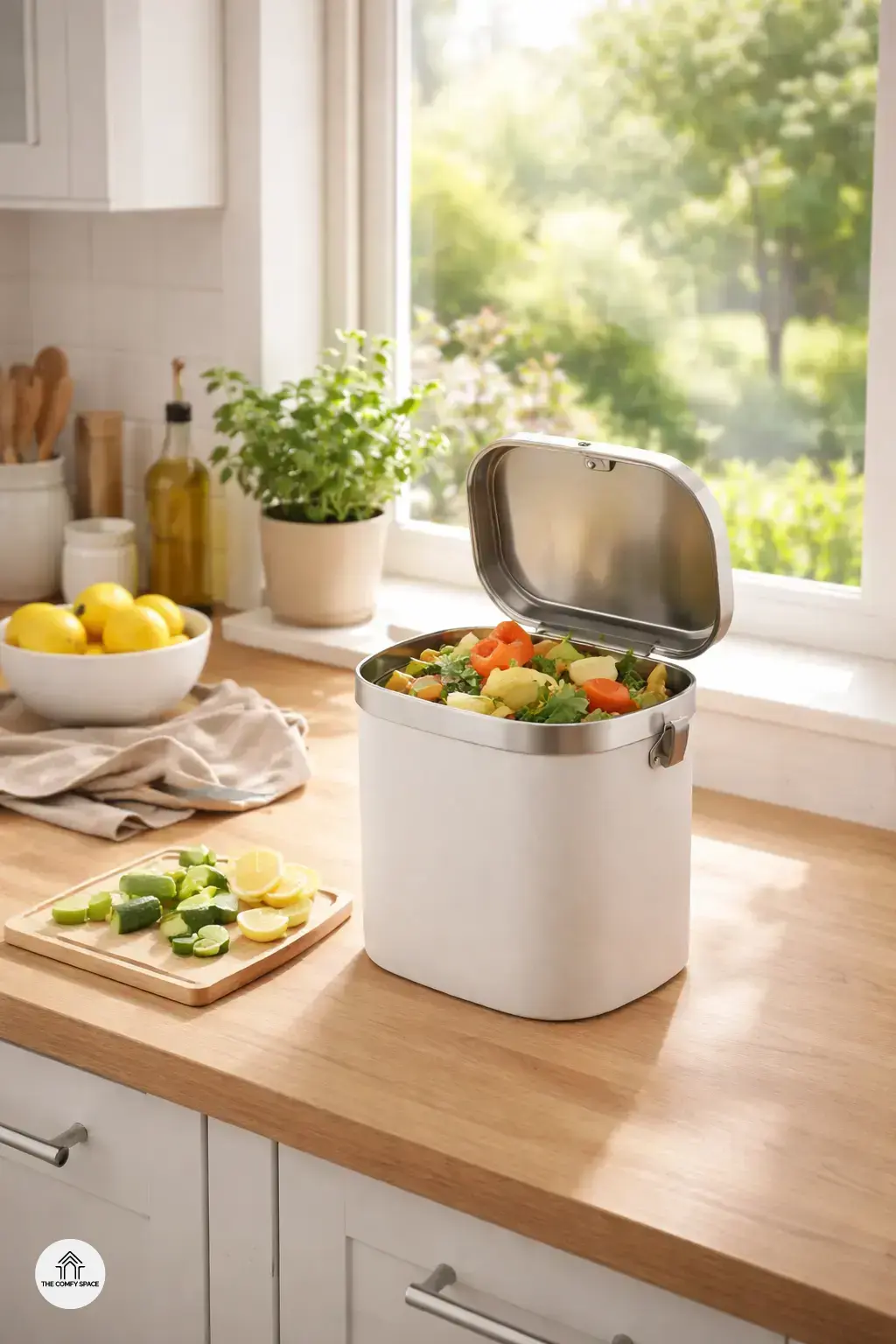
Composting at home is a total game-changer for anyone wanting to live greener without much fuss. It’s amazing how much kitchen scraps and garden waste pile up—trust me, I used to wrestle with heaps of wilted veggies and fallen leaves before diving into composting. Reducing this waste not only clears out your bins but also helps the planet by keeping organic material out of overcrowded landfills.
Plus, composting creates rich, nutrient-packed soil that plants absolutely thrive on. As garden guru Sarah Green says,
“Nothing beats homemade compost to make your garden sing.”
Better soil means healthier plants without splashing out on pricey chemicals. And hey, saving on fertilizers? That’s money back in your pocket. It’s a win-win that’s easier than you think once you get the hang of it!
Choosing the Right Compost Bin for Your Space
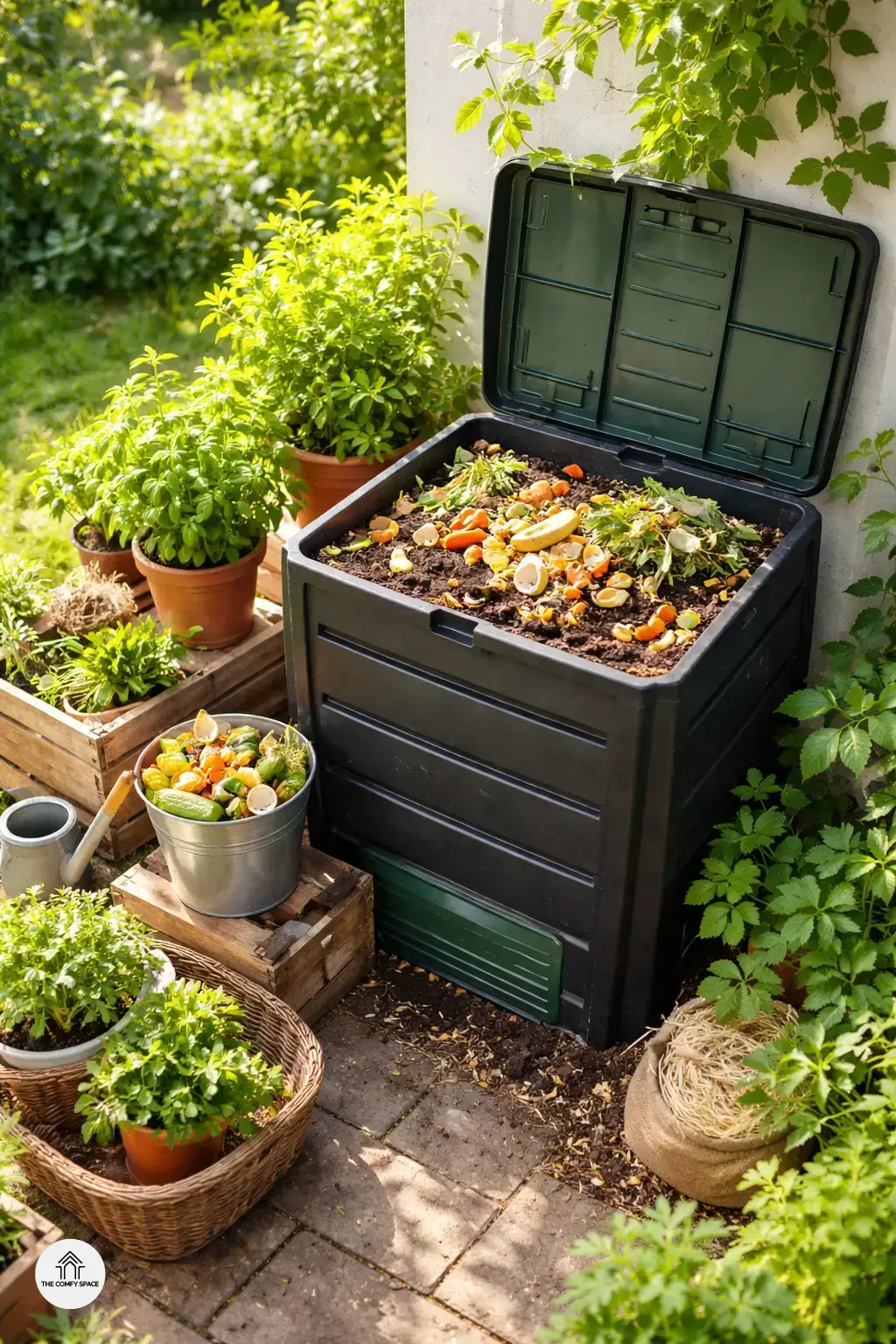
Choosing the right compost bin can feel like a mini-adventure, especially when juggling limited outdoor space and unpredictable kitchen scraps. I once tried a large tumbler that looked promising but overwhelmed my tiny balcony. Remember, it’s about matching your space and compost volume. A small container can work wonders if you produce less waste, while larger bins are ideal for family-sized scraps. As eco-designer Julie Thomson says,
“The best compost bin is the one that fits your lifestyle and grows with your habits.”
Local stores like Home Depot or Walmart are goldmines for practical compost bins, from stackable to rotating designs. If you’re feeling crafty, a DIY bin using recycled wood pallets or old containers can be both budget-friendly and fun—just watch out for pests and airflow issues. I learned this the hard way after a squirrel discovered my first homemade bin! Start small, experiment, and soon you’ll find your perfect compost companion.
Getting Started: What You Can and Can’t Compost
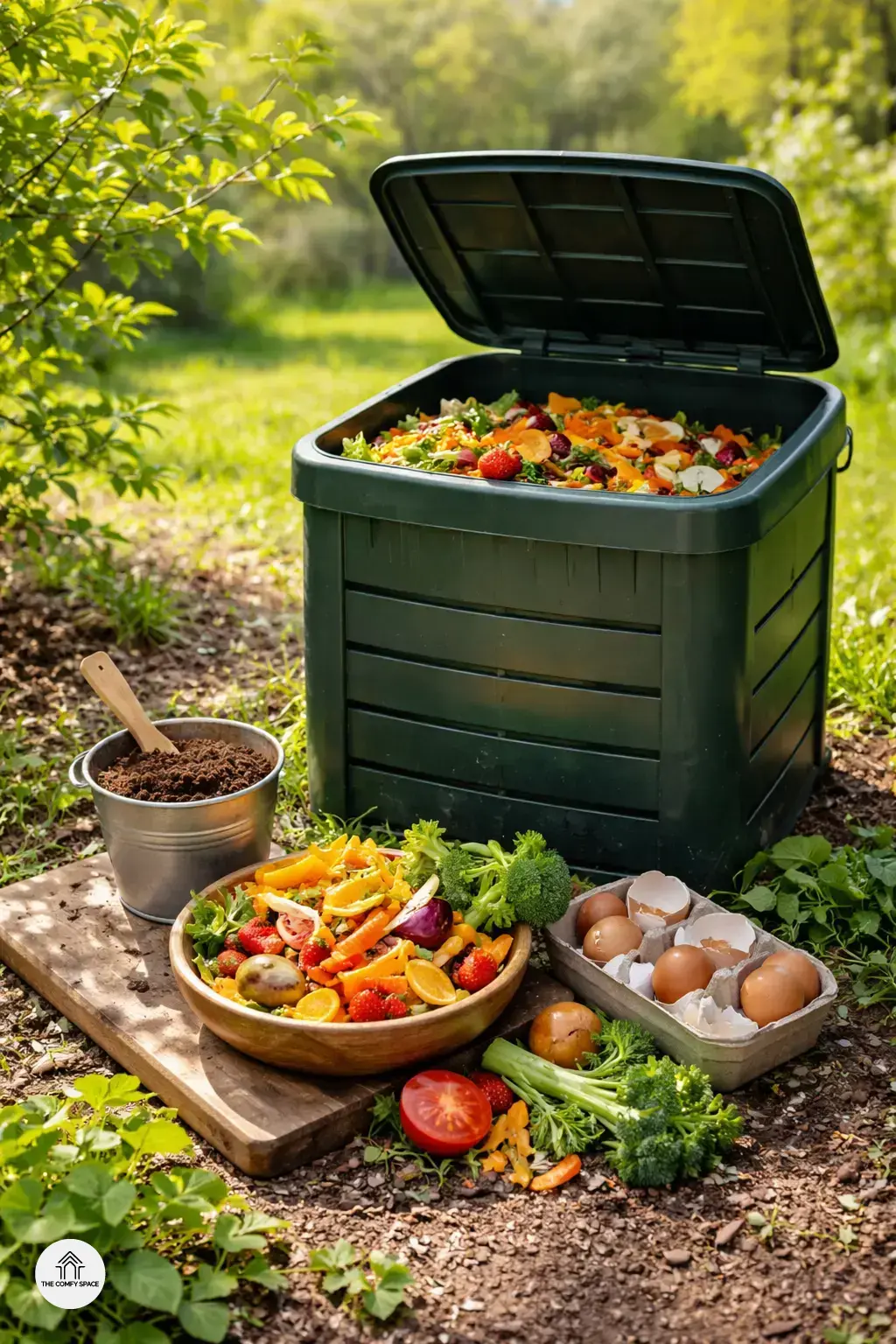
Getting started with composting at home might feel like diving into a science experiment, but it’s simpler than it seems. The key is knowing what to toss in your compost bin and what to keep out. For instance, you can freely include fruit and veggie scraps, coffee grounds, and eggshells—these are compost gold! Adding these helps create that nutrient-rich mix your garden dreams about. Just remember, balance is everything. A good compost pile needs a mix of green, nitrogen-rich materials like kitchen scraps, and brown, carbon-rich items such as dry leaves or shredded paper.
On the flip side, avoid tossing in meat, dairy, and oily foods. Trust me, I learned the hard way after my bin started smelling like a wildlife haven—rats and raccoons decided to treat my backyard like a buffet. As gardening pro Emma Green puts it,
“Keeping your compost smell-free and pest-free starts with smart ingredient choices.”
So, steer clear of those troublemakers, keep the balance, and you’ll have a happy compost bin ready to help your spring garden flourish!
Common Composting Mistakes and How to Fix Them
Let’s be real: composting at home sounds simple until your bin turns into a smelly mess or stays dry as a desert. One common blunder? Tossing wrong materials like greasy pizza boxes or diseased plants. “Messy, smelly compost usually means your mix is off,” compost expert Lisa Green says. To fix this, balance green (kitchen scraps) and brown (dry leaves) materials carefully. Remember, a 50/50 blend is your sweet spot.
Another rookie mistake is neglecting moisture and airflow. Compost too wet? It stinks. Too dry? It barely changes. Also, forgetting to turn your pile regularly slows down decomposition. I learned this the hard way—my pile took twice as long! Try flipping it every week to speed things up and keep that sweet earthy smell alive. Trust me, it’s worth the small effort.
Tips to Keep Composting Fun and Rewarding All Season Long
Keeping composting fun can sometimes feel like a juggling act—especially when life gets busy. Setting a simple reminder to add your kitchen scraps regularly helps keep your compost lively and healthy. Trust me, I’ve missed days and ended up with a stinky surprise! A little routine goes a long way. Plus, it’s a great excuse to sneak off to the garden smelling like yesterday’s leftovers.
Don’t hesitate to swap composting tips or hilarious fails with friends or neighbors. Sharing those messy moments makes it less daunting and way more enjoyable. And celebrate those small wins, like when your soil finally looks rich and dark. As gardening expert Jane Doe says,
“Patience is key—every handful of good soil is a sign you’re doing something right.”