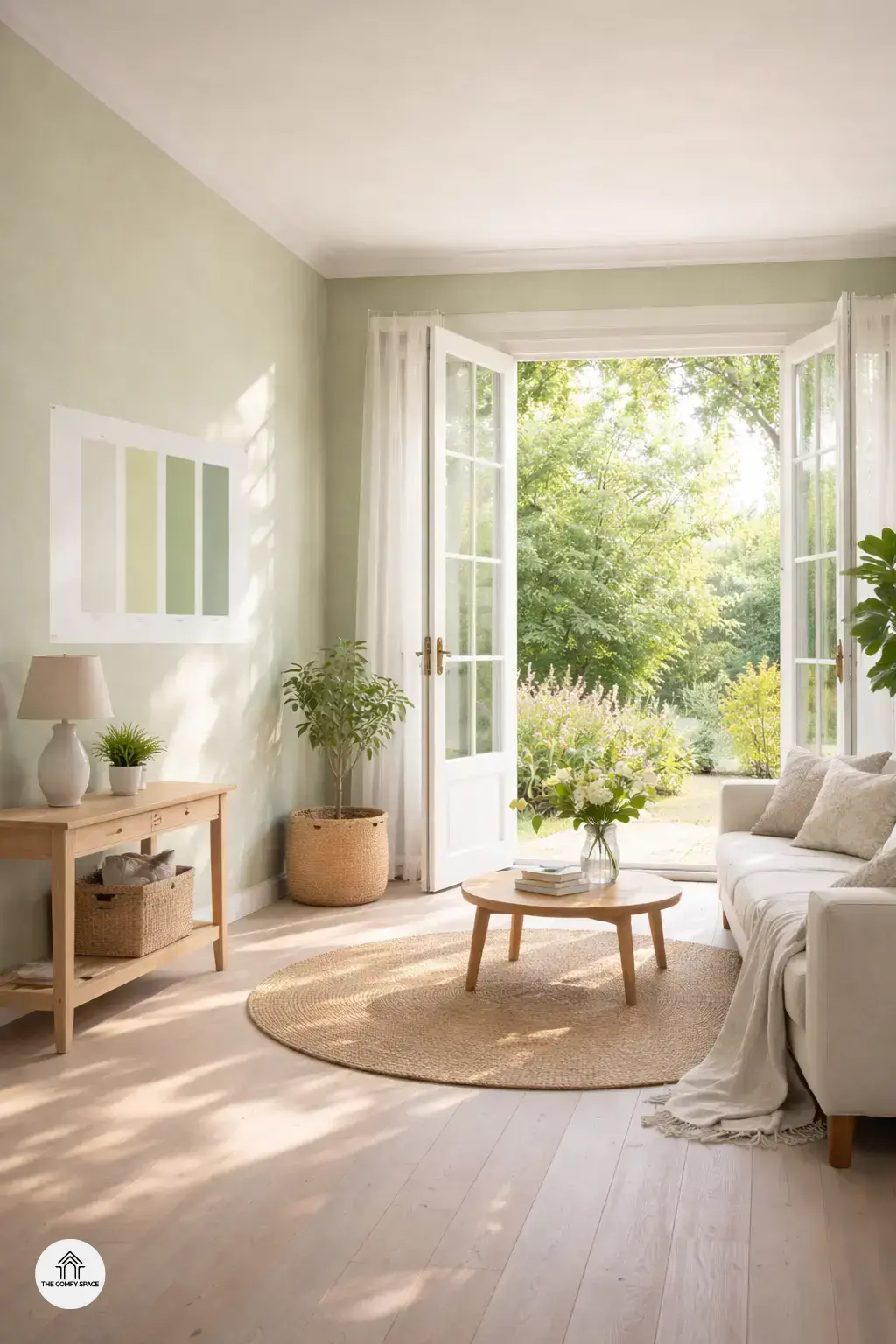
Spring cleaning is the perfect time to refresh your walls, and what better way to do it than with eco paints? These paints are designed to reduce harmful fumes and toxins that traditional paints often release. I learned this the hard way—after my last DIY painting spree, I ended up with headaches and sneezing fits. Switching to eco paints not only made my home smell fresher but made me feel safer, especially with my curious toddler around.
Creating a green home isn’t just a trend—it’s a lifestyle that benefits you and your family. Eco paints are free from harsh chemicals, making the air cleaner and healthier. Plus, the vibrant colors brighten up your space without the guilt. Professional designer Jane Smith says,
“Choosing eco paints means choosing a happier, healthier home.”
So next time you hit the store, look beyond the brand names and pick paints that care for your well-being. It’s a small change that makes a big difference!
What Exactly Are Eco Paints?
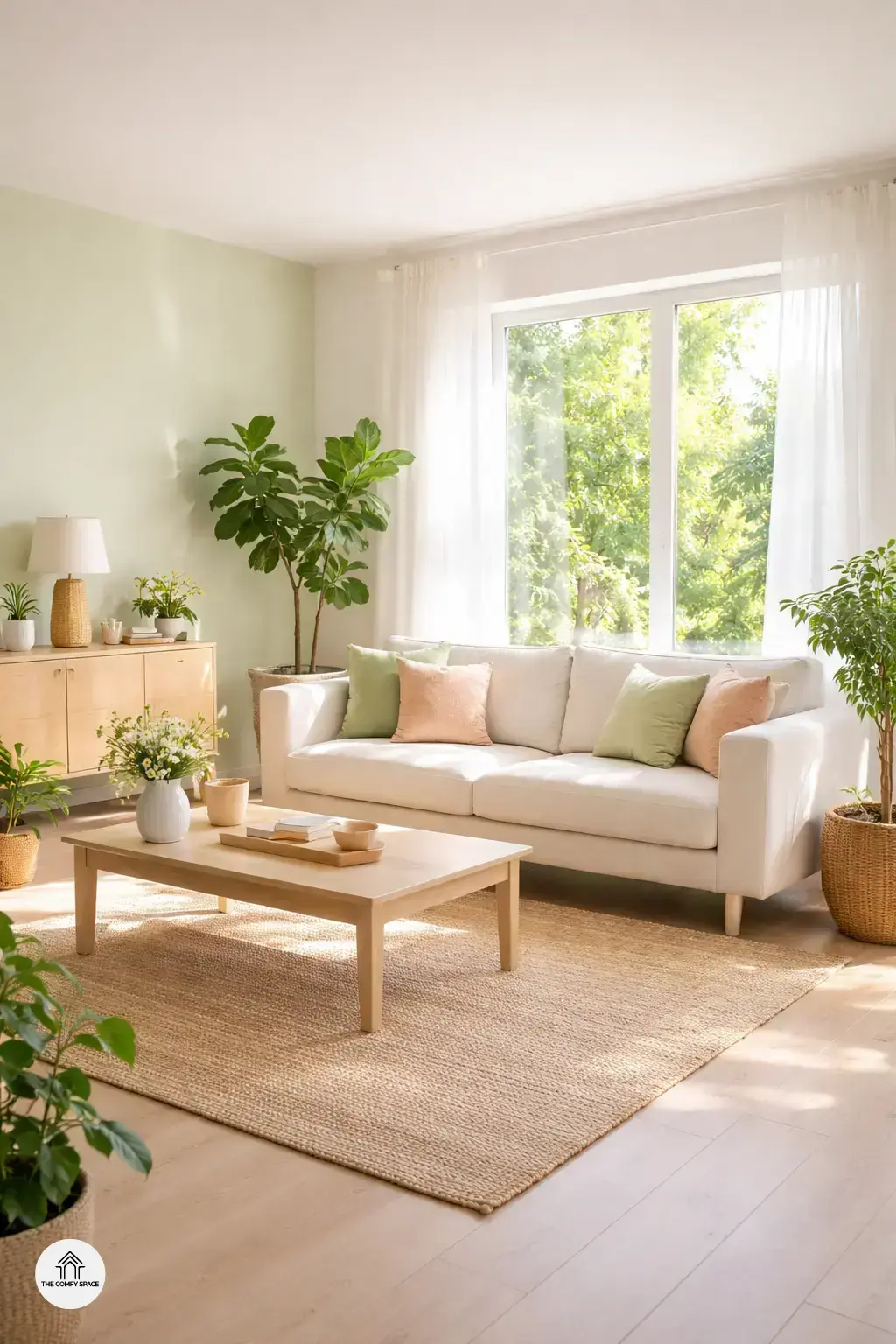
Eco paints might sound like something from a sci-fi movie, but they’re just good old-fashioned paints made kinder. Made from natural ingredients like clay, chalk, and plant oils, these paints avoid the scary chemicals lurking in many traditional options. I once tackled a room refresh and learned the hard way that those VOCs (volatile organic compounds) can turn your space into a toxic soup. Eco paints practically skip that drama—they have low or zero VOCs, meaning less indoor air pollution and fresher air.
Plus, many eco paints are biodegradable, making them safer for the environment, so you don’t have to choose between a beautiful home and a healthy planet. As eco-paint expert Jane Collins says,
“Choosing eco paints is investing in your health and the Earth’s future.”
It’s a win-win, really, especially when you’re trying to breathe easier this spring refresh.
Benefits of Choosing Eco Paints
Choosing eco paints is a game-changer for anyone looking to refresh their walls without the usual paint fumes and toxins. Improved indoor air quality is one of the biggest perks. I remember painting my living room with traditional paint and ending up with headaches and sneezing fits for days. Switching to eco-friendly options meant no more chemical odors lingering around, making my home feel fresher and healthier. “Better air quality means fewer headaches and allergy problems,” an interior designer explains.
Eco paints are especially fantastic if you have kids or pets. They tend to get up close and personal with walls — sniffing, touching, or even licking occasionally, yikes! Knowing the paint is safer for them gives peace of mind. Plus, you’re doing your bit for the planet. By supporting sustainable practices, you’re helping reduce harmful emissions and waste. My local hardware store has a great selection of eco paints, making the switch easier than I expected!
Common Challenges When Switching to Eco Paints
Switching to eco paints can feel like a breath of fresh air—literally! But it’s not without its bumps. One real snag is the higher initial cost compared to traditional paints. I used to wince at the price tag until I remembered, “Good things don’t always come cheap,” says eco-friendly designer Lisa Marlow. Think of it as investing in your health and the planet. Worth it, right?
Also, eco paints sometimes offer limited color choices or finishes, which can feel a bit constrictive. I learned to embrace subtle shades rather than bold colors—turns out, less can be more! Lastly, be ready to adjust your expectations on drying time and coverage; eco paints might take a bit longer. Patience is key here, as one homeowner shared, “Waiting was tough, but the non-toxic smell was a total game changer!”
Tips for a Successful Eco Paint Project This Spring
Tackling an eco paint project this spring? Here’s a tip from my own ‘oops’ moment: always test paint samples on your walls first. I once fell in love with a lovely green that turned out way too intense in my sunroom. Lesson learned! Sampling saves you from choosing the wrong shade and wasting paint. Plus, it gives you a sneak peek at how the eco paint interacts with your wall’s texture.
Don’t forget to ventilate rooms well during and after painting. I started painting on a sunny weekend but kept the windows shut because of the chilly breeze. Big mistake! Open those windows wide to let fresh air flow and speed up drying. Also, shopping for eco-friendly paints is easier than ever at your favorite local stores. Many familiar places now proudly stock greener options, making your spring refresh both fun and responsible.
- Test paint samples on your walls before committing
- Ventilate rooms well during and after painting
- Shop at familiar stores that now often stock eco-friendly options