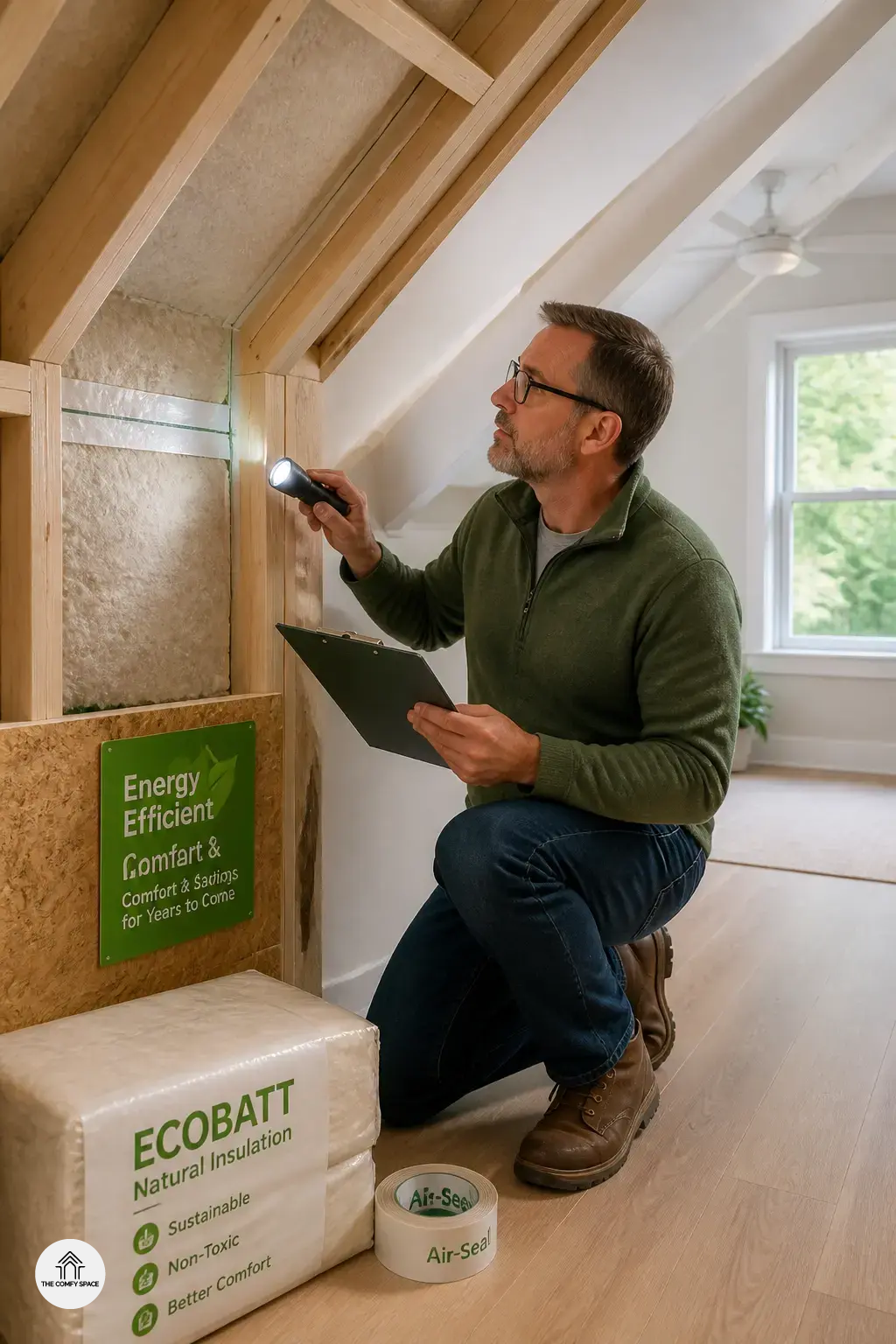
Why bother with sustainable insulation upgrades? Because they stop your house from acting like a sieve. I learned that the hard way after a winter where the heating ran nonstop and my energy bill looked like a prank. Better insulation keeps heat in during cold months and out when summer gets bossy, so rooms feel steadier and cozier.
It also helps cut your carbon footprint without making life complicated.
“The smartest energy savings often start behind the walls,” says home performance expert Laura Bennett.
Try checking drafty spots first, then shop for eco-friendly materials at familiar stores like Home Depot or Lowe’s. Small fixes add up fast, and your wallet will notice.
Start by Checking Where Your Home Leaks Heat
Start with the sneaky spots where heat loves to escape. The attic, walls, floors, and window frames are the usual suspects. I once spent ages blaming the thermostat, only to find a tiny draft by the front door was doing all the damage. Classic. A quick DIY check with your hand, a flashlight, or even a bit of tissue can reveal where your home is leaking warmth before you call in a pro.
- Check attic hatches and insulation edges
- Feel around windows and doors for drafts
- Mark cold spots so you know what to fix first
“Tiny leaks can waste a surprising amount of energy,” says home energy consultant Mia Carter.
Once you spot the trouble, you can fix it without turning the whole project into a giant weekend drama. Even a small seal upgrade can make the house feel cozier and the bills a little less rude.
Choose Eco-Friendly Insulation Materials
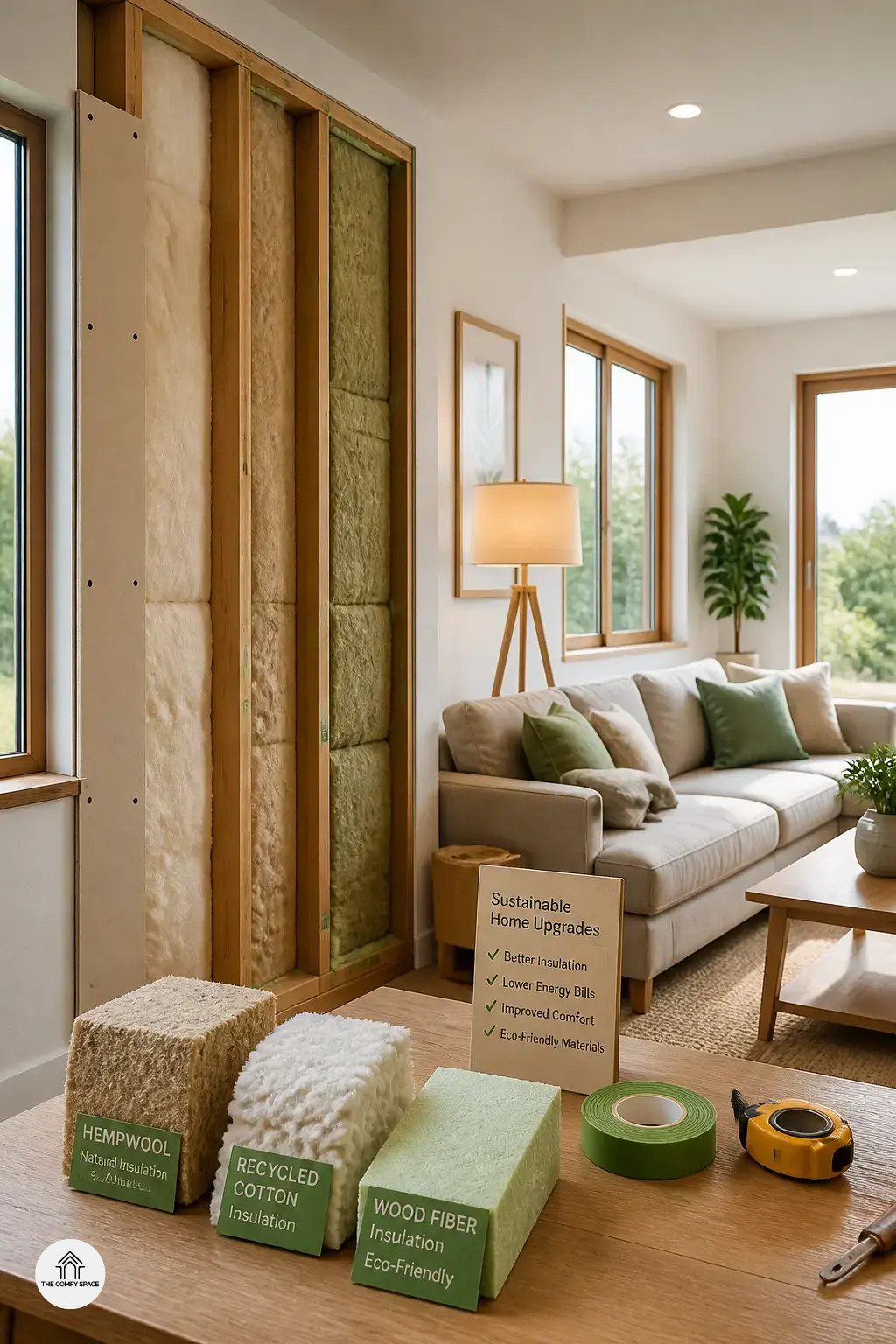
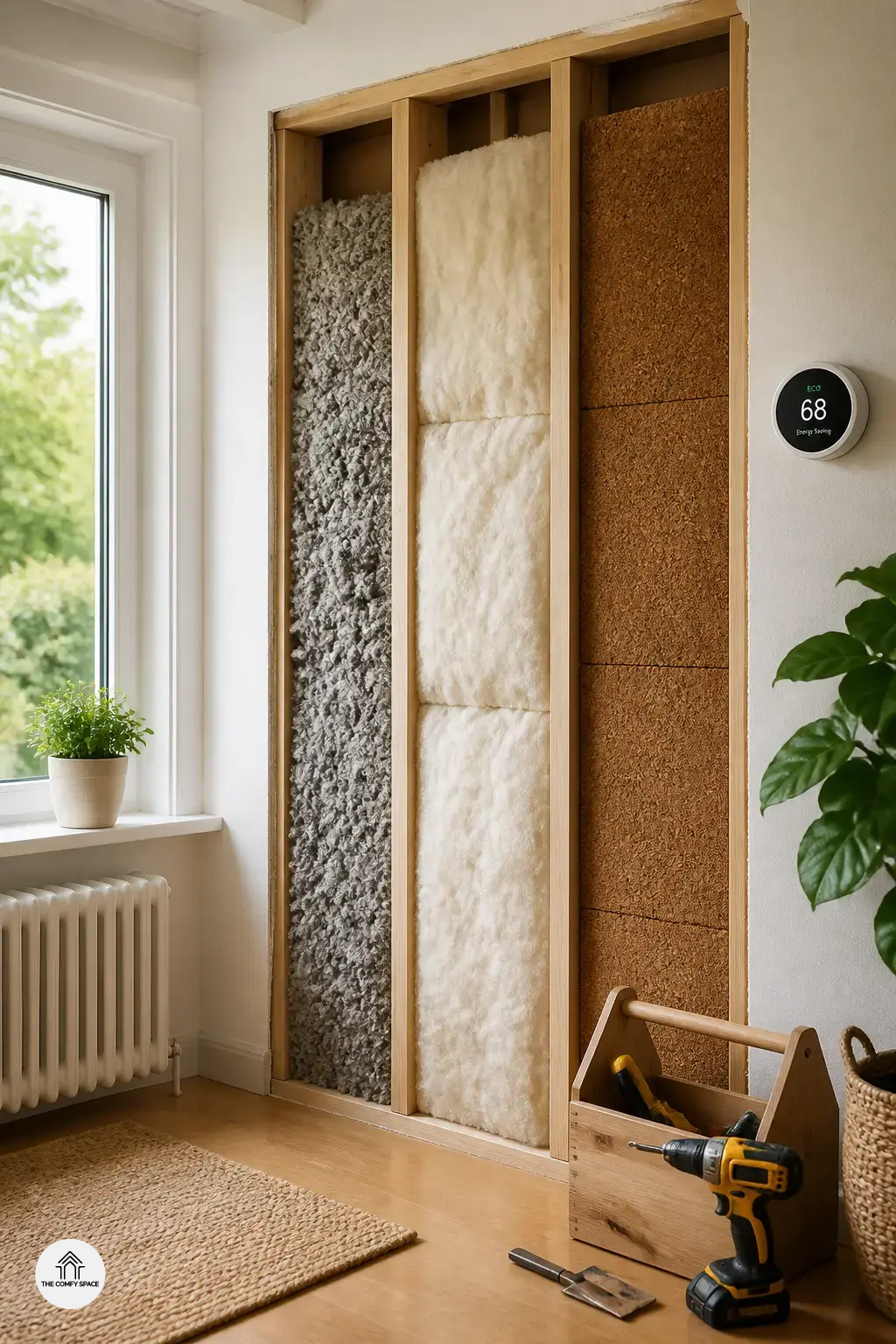
Choosing eco-friendly insulation materials can feel like a tiny home project with big results. I learned that the hard way after buying the “cheap” stuff once and then wondering why the draft still felt like it was sneaking in through the walls. Recycled, natural, and low-toxicity options like cellulose, sheep wool, and cork can all help cut energy bills without turning your house into a chemistry set.
Before you grab a cart at Home Depot or Lowe’s, compare performance, cost, and environmental impact. A label can save you from guesswork, and honestly, it beats pretending you remember what R-value means in aisle 12. As one builder put it,
“The best insulation is the one that works hard now and leaves a lighter footprint later.”
That’s the sweet spot for comfort and savings.
Upgrade the Attic First for the Biggest Impact
The attic is usually the sneaky culprit behind high energy bills. I learned that the hard way after paying for a winter where my heater seemed to work overtime for no good reason. Start here first, because it is often the easiest place to stop major heat loss. Add insulation to the correct depth for your climate zone, and yes, measure it instead of guessing like I did on a rushed Saturday at the hardware store.
Before adding anything, seal the leaks. Insulation alone can’t fix drafty gaps, and that’s a rookie mistake many homeowners make. A pro once told me,
“Air sealing comes first. Otherwise, you’re just insulating the wind.”
It made me laugh, but it was true. A few cans of sealant and careful attention around pipes, vents, and attic hatches can make a huge difference.
Don’t Ignore Floors, Basements, and Crawl Spaces
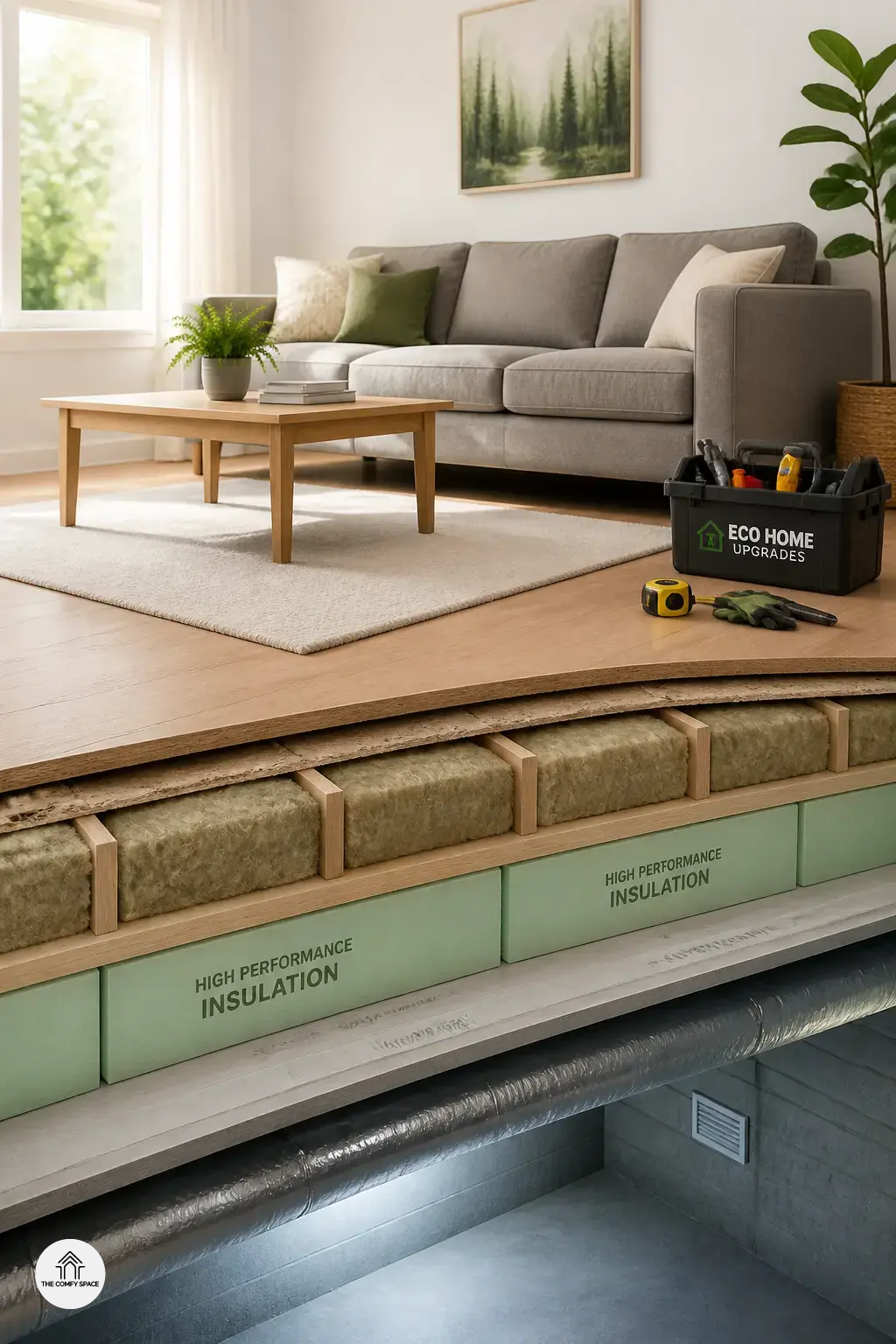
Floors, basements, and crawl spaces are the sneaky little energy thieves most of us forget about until our toes start complaining. I once skipped this part during a weekend insulation project, and wow, the living room turned into a mini fridge. As one contractor told me, “Heat always finds the easiest way out,” and he was not being dramatic.
- Check for drafts and cold spots under floors.
- Use moisture-resistant materials where dampness is a problem.
- A small insulation fix can make mornings much less dramatic.
These upgrades are simple, but they can make a huge difference in comfort and lower energy bills. Even one visit to a home improvement store can feel like a win when you choose the right materials and stop the cold air from bossing your house around.
Avoid Common Insulation Mistakes
When I first tackled insulation, I made the classic rookie mistake: I stuffed in new batts and called it a win. Nope. Air leaks were still sneaking through like they owned the place. As one pro put it,
“Insulation works best when the whole system is sealed first.”
That means closing gaps around vents, outlets, and attic edges before you add anything else.
- Skip air sealing, and you waste money.
- Use the wrong material in damp or busy spots, and it fails early.
- Compress insulation too much, and it loses its cozy magic.
I learned that the hard way after a rainy-season basement fix. A quick trip to a familiar store for the right product saved the day, and my energy bill finally stopped acting dramatic.
Plan for Long-Term Savings and Comfort
Thinking of insulation as a long-term investment really changes the mood of the project. I learned that the hard way after a “quick fix” in my attic turned into a surprise draft hunt with a flashlight and a lot of sighing. A pro once told me,
“Good insulation pays you back in comfort before it even shows up on the bill.”
That stuck with me. If you are already opening walls or topping up the loft, it makes sense to plan for the bigger picture.
Try pairing insulation upgrades with better ventilation and efficient windows for stronger results. It is the home version of buying good shoes at a familiar store instead of the cheapest pair that falls apart in a month. Track your energy bills after the upgrade too. Seeing the numbers drop makes the payoff feel real, and honestly, it is a lot more satisfying than guessing.