
Mixing natural and synthetic materials in home decor is like trying to create the perfect playlist – it’s all about balance. We all want that cozy vibe from natural textures but don’t want to miss out on the sleekness and durability of synthetics. Trust me, I’ve had my fair share of trying to match a hemp rug with a shiny acrylic chair, only to feel like my room was sending mixed signals.
One common struggle? Avoiding the dreaded clash or overwhelming your space with competing textures. As designer Sarah Mitchell says,
“Finding harmony between contrasting elements is the true art of design.”
Stick around for practical tips and real-life stories that make blending styles a genuine joy, not a headache.
Understanding the Appeal of Natural and Synthetic Elements
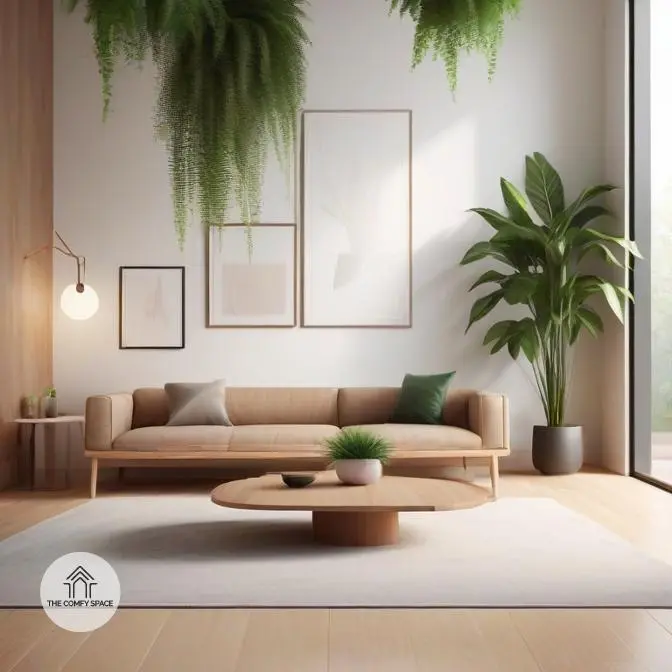
Natural materials like wood, stone, and plants instantly add warmth and authenticity to any space. There’s something deeply comforting about the texture of a wooden table or the cool touch of stone that makes a room feel lived-in and real. These elements connect us to nature, offering a sense of calm and grounding. But let’s be honest, keeping live plants alive is a gamble — I once bought a lush fern, only to find it crispy in three days. Lesson learned: nature’s beauty is divine but high-maintenance!
On the flip side, synthetic materials bring a superhero’s reliability. Plastics and faux fabrics offer durability and a splash of color that don’t fade or crack with time. Here’s a funny truth: during one chaotic week of deadlines and spilled coffee, my trusty fake plant stood tall while my real ones surrendered. It taught me to embrace the fabulous versatility of synthetics, especially when life gets messy. As well-known designer Helen Gordon says,
“The blend of natural warmth with synthetic durability creates spaces that are both inviting and practical.”
Tips for Balancing Textures and Colors Seamlessly
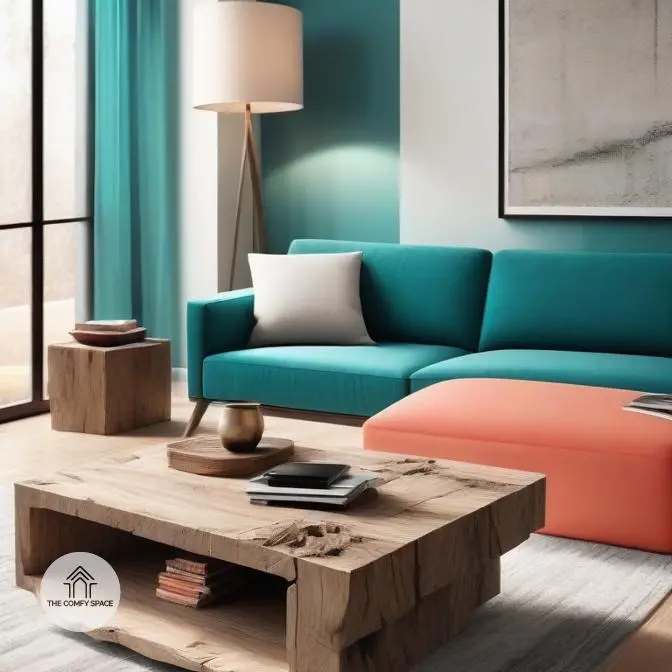
Finding the sweet spot between rough wood grains and sleek synthetic surfaces can turn a room from bland to bang-on-trend. Mixing textures adds depth and personality—think about pairing a reclaimed oak coffee table with a glossy, modern lamp. It’s like storytelling through your furniture! Adding variety keeps your space from feeling flat, and as one interior expert says, “Texture is the silent language of style.”
Choosing a color palette is another adventure. Do you dare go full-neutral or splash bold colors everywhere? I learned the hard way that too much beige can feel like a snooze fest, but overdoing bright shades screams chaos. A balanced mix—natural earthy hues bumped up with vibrant accent colors like teal or coral—strikes harmony. Remember, home design isn’t a race. Experiment, stumble, and then settle on what delights your senses every day.
Avoiding Common Mistakes in Mixing Materials
Mixing materials in home decor can feel like a fun adventure, but beware of leaning too hard on synthetics. Too many plastic or faux finishes can make your space feel cold and a bit fake — kind of like when you try to bake without enough sugar. Designers often say,
“Authenticity in texture brings a space to life,”
which is why balancing warm, real elements is key.
I’ve learned this the hard way. Once, I went overboard with natural wood, hoping for a cozy vibe, only to end up with a heavy, outdated room that screamed ‘grandma’s cabin.’ Mixing materials should feel like a fun puzzle — not a confusing jumble. My tip? Start small and see how the textures play together before committing.
Practical Ways to Incorporate Both Elements in Every Room
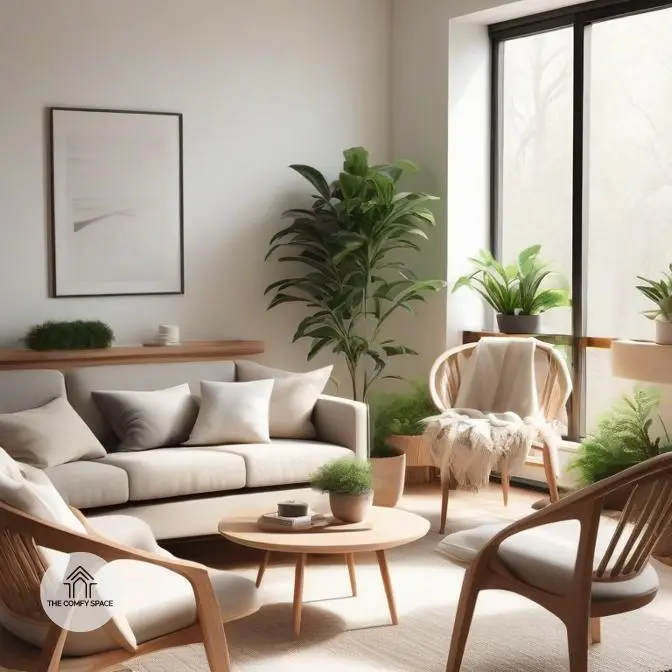
Blending natural and synthetic elements in your home can feel like trying to mix oil and water, but it’s easier than you think. Start with something simple, like using synthetic cushions on natural wood chairs. It adds a comfy layer without ruining the authentic vibe of the furniture. Plus, synthetic cushions are easier to clean—trust me, I’ve spilled my morning coffee more times than I’d like to admit!
Next, try layering natural fiber rugs with synthetic throw blankets. This combo brings texture and coziness while keeping maintenance a breeze. And when it comes to plants, mix faux greenery with your real ones. A professional once said, “The secret to a fresh look is not just what’s alive but what looks alive all the time.” I’ve found this combo perfect for busy days when watering feels like a chore!
Embracing Flexibility: When to Choose Natural or Synthetic
Choosing between natural and synthetic materials isn’t always a clear-cut decision. Natural pieces bring timeless charm and cozy vibes to any space, lending warmth and character that just can’t be mimicked. Think soft wool rugs or wooden coffee tables—they age gracefully and invite you to slow down and relax. But, beware: natural materials can demand extra TLC, especially if you have kiddos or pets running around. I learned this the hard way after a wool rug met my toddler’s favorite juice spill—lesson learned!
On the flip side, synthetic items are budget-friendly and tough enough to handle life’s messier moments. From stain-resistant upholstery to washable fabrics, they’re perfect for families or those on a budget. Interior designer Jane Doe says,
“Flexibility is key—don’t be afraid to blend natural and synthetic to make a space both stylish and practical.”
It’s all about trusting your style and tweaking the rules to suit your life. After all, what matters most is how your home feels, not what trends dictate.