
Hallways might just be those overlooked strips of space in our homes, but trust me, they’re more important than you realize. They set the tone for the rest of your home before you even step in a room. Ever walked into someone’s house and immediately felt cozy or curious? That’s the magic of a well thought-out hallway. It’s like the handshake of your home—first impression counts!
Colors play a big role here. They can make narrow passages feel wider, dull spaces lively, or even calm your nerves after a hectic day. This guide will dive into clever hallway color schemes, share tips on picking hues that wow guests, and even those sneaky tricks we’ve learned from painting mishaps (yes, like the time I confused eggshell with glossy!). So, let’s brighten up those hallways and make them pop!
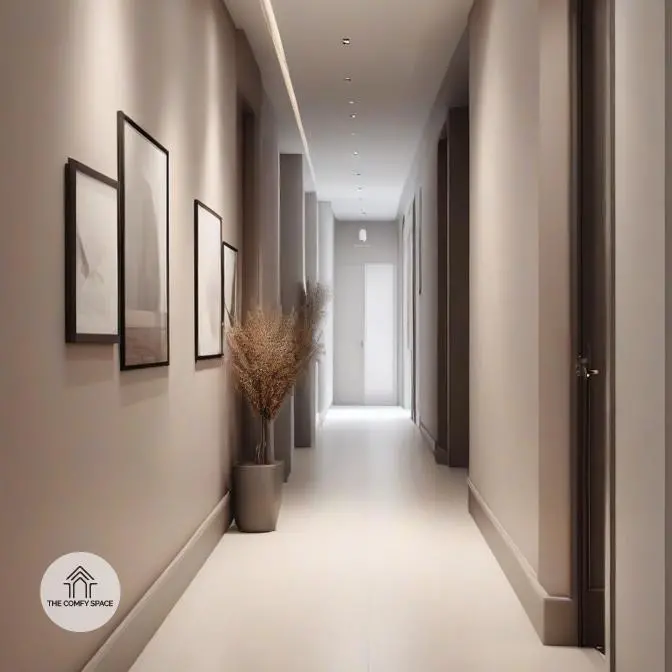
Warm Neutrals to Create Cozy Welcome Vibes
Soft beige and taupe aren’t just colors—they’re like your favorite sweater in paint form. These warm neutrals create a cozy vibe that welcomes you the moment you step inside. I’ve found that when I tried brighter, cooler colors in a small room, it felt more like a sterile office than a home. But warm neutrals? They wrap the space in a comforting hug that’s hard to resist. Interior designer Emily Clark says,
“Warm neutrals work their magic by gently softening the edges of any room, making it feel like a safe haven.”
For small spaces, the trick is pairing these hues with warm lighting—think amber-toned bulbs or soft lampshades. It’s the combo that transforms a bland room into a snug, inviting nest. A quick tip from my own decorating misadventures: avoid harsh, cool LED lights—they’ll steal the warmth right off your walls! Instead, load up on lamps and candles to boost the mood. Your guests will feel like they’ve stepped into a warm hug, not an interrogation room.
Bold and Beautiful: Going Dark for Drama
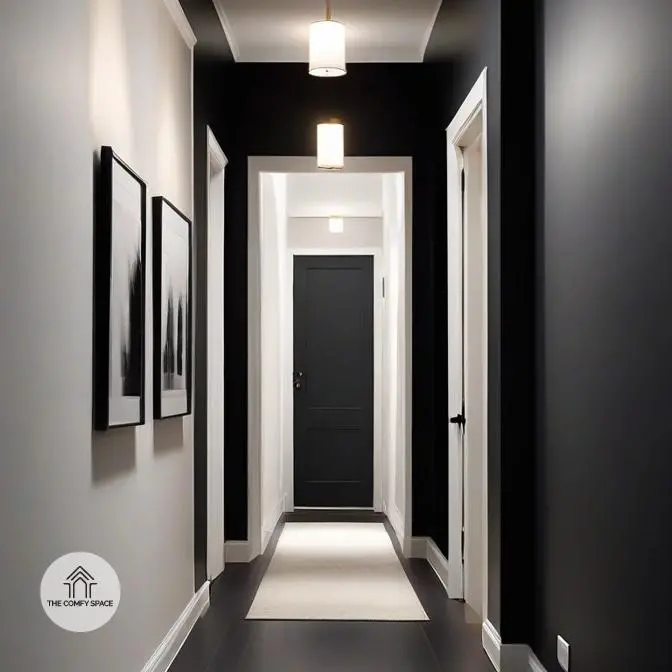
Diving into the world of dark colors can seem intimidating, but trust me, it’s worth the leap! Using deep navy or charcoal in your space instantly adds a bold elegance that commands attention without making the room feel cramped. I once decided to paint my hallway a rich charcoal, and while friends warned me about potential gloominess, I found the key is in the lighting. A well-placed lamp or subtle wall sconces can make these dark hues glow beautifully, creating a cozy yet sophisticated vibe.
My biggest lesson? Don’t shy away from contrast. Pair your dark walls with bright trims or metallic accents to keep the room lively. “Dark colors are not about shrinking spaces; they’re about adding depth and drama,” interior designer Emma Clarke says. So, if you want to wow your guests and add a touch of mystery to your home, don’t fear the dark—embrace it!
Pastels That Bring Freshness and Light
Pastels like mint, blush, and pale blue are secret weapons when it comes to brightening up narrow, stuffy halls. They bounce light around, making tight spaces feel open and airy. When you’re walking through a cramped hallway that feels more like a tunnel, these soft hues can truly transform the space into a fresh, welcoming passage. Pro tip: balance these gentle colors by pairing them with natural wood accents. The warm, earthy tones of wood contrast perfectly with pastels, bringing depth and a cozy vibe to what otherwise might feel cold or flat.
Speaking from experience, I once painted a hallway a soft pastel pink that actually ended up looking muddy and dull. Turns out, undertones play a crucial role! The lighting in my hallway had yellow undertones, which clashed with the cool pink, creating a strange undertone mix. The lesson? Always test your pastels in different lighting before committing. “Understanding undertones is key to pastel success,” an experienced interior designer once told me. Now, I double-check samples at various times of day to dodge that pastel mistake again!
Color Blocking for a Modern Touch
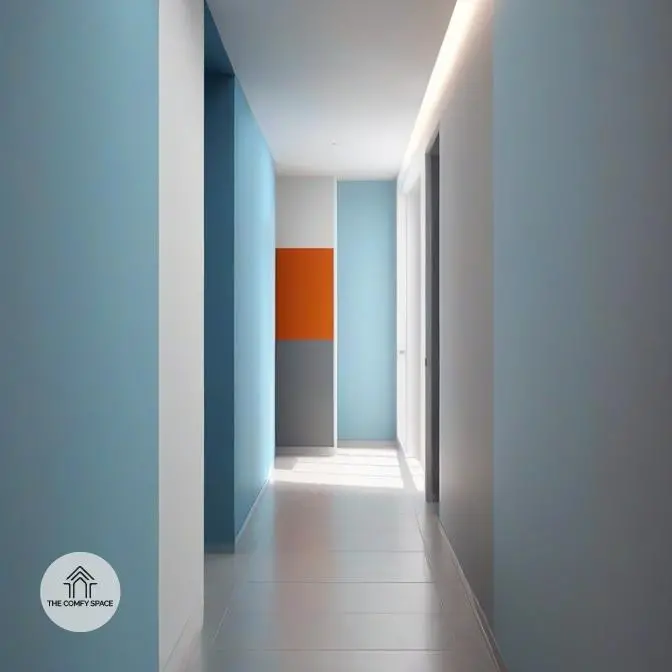
Color blocking walls is like giving your space a fresh personality without a full makeover. Splitting a wall with two tones instantly adds depth and intrigue, making even the simplest rooms pop. The trick is picking complementary shades that harmonize instead of battling for attention. Think soft blues paired with warm grays or mustard yellow alongside charcoal—this combo works wonders without being overwhelming. “Color blocking is about creating balance while embracing boldness,” interior designer Luna Reynolds says. It’s a fun way to play with color, especially if you’re not ready to paint the entire room yet.
I once tackled a tricky narrow hallway where traditional paint felt dull. By dividing the walls horizontally—lighter color on top, darker below—I visually widened the space. It wasn’t perfect the first time (hello, stubborn paint streaks), but tweaking tones and applying crisp edges made all the difference. Shopping for paint at my local store reminded me that testing swatches in real light is a must! If you want some modern flair without a headache, color blocking is your secret weapon.
Accent Walls: When to Go Bold on One Side
Picking the perfect wall for an accent can feel like a game of chance, but it’s really about spotting the space’s natural focal point. I once plastered a loud red wall right behind my TV — mistake alert! Turns out, you don’t want your accent to scream louder than the main event. Instead, consider walls that draw your eye naturally, like the one behind your sofa or a fireplace. As designer Emily Roberts notes, “Choosing the right wall is like finding the stage for your star performer.”
Balancing bold colors is a tightrope walk. Colors should pop but not punch you in the face. I recommend pairing strong hues with neutral furniture to keep things chill. Throwing in artwork or mirrors isn’t just about style; it adds depth and balance. My trick? Place a mirror opposite that bold wall to reflect light and break up intensity. It’s this kind of thoughtful layering that makes your room feel inviting, not overwhelming.