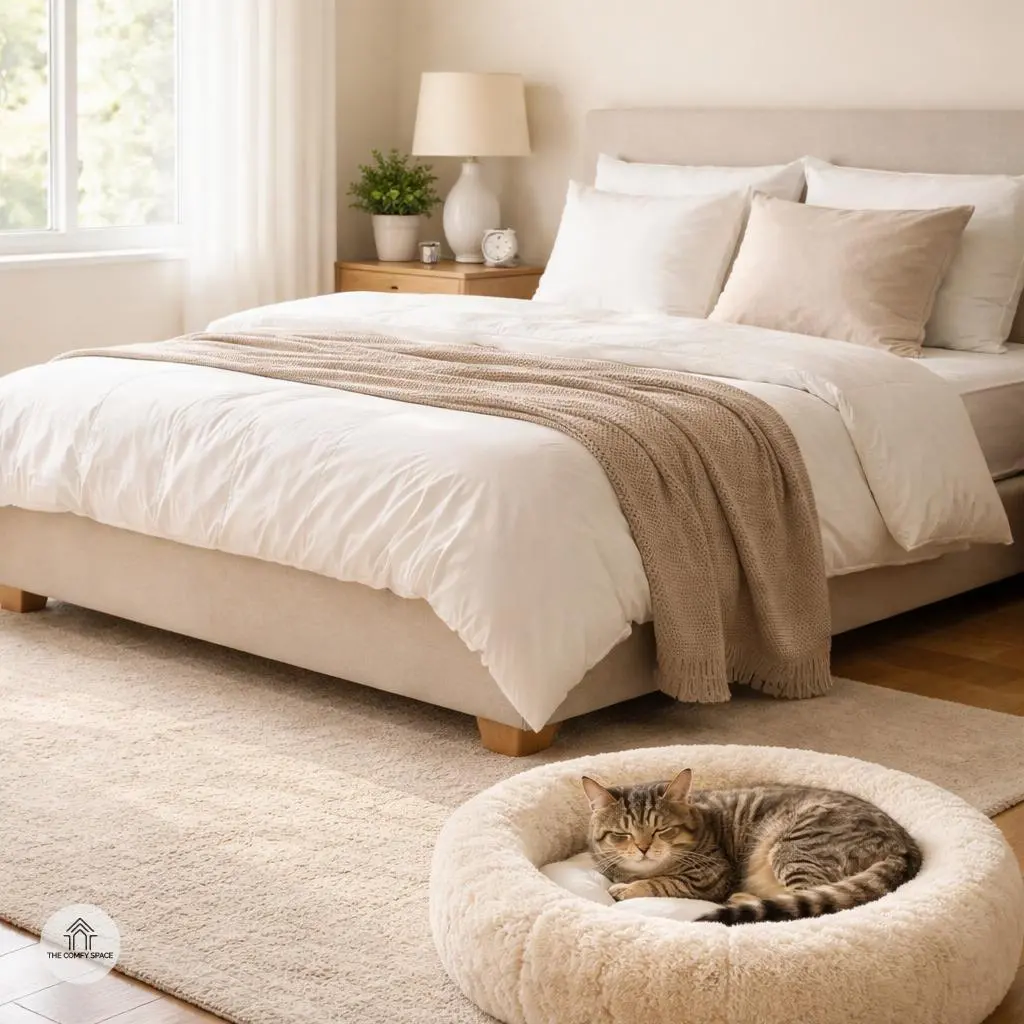
Spring is that magical season when flowers bloom and sunshine feels like a warm hug. But for many of us, it also means battling sneezing fits and itchy eyes. Allergies can turn our springtime joy into a sneezy struggle. Don’t worry, you’re not alone—creating a healthier home environment can make a world of difference. “A clean, well-ventilated space is key to allergy relief,” allergy specialist Dr. Hayes says. From choosing the right plants to managing dust, there are simple steps you can take to breathe easier and stay comfy.
I remember once trying to deck out my living room with lush greenery from the local nursery, only to realize some plants triggered my allergies worse than ever. So, lesson learned—go for hypoallergenic plants if you want beauty without the sniffles. And don’t forget regular vacuuming with a HEPA filter vacuum; it’s a game changer. Let’s dive into practical tips and relatable stories that can help you enjoy spring’s beauty without sneezing through it.

Keep Pollen at Bay with Smart Ventilation
Keeping pollen out of your home can feel like a never-ending battle, especially during those annoying peak hours in the morning and early evening. Instead of flinging open your windows right away, try holding off until the pollen count drops later in the day. It’s a simple trick that saved me from countless sneezing fits! As allergist Dr. Lane says,
“Timing your ventilation is a major key to controlling indoor allergens.”
Along with smart window habits, investing in air purifiers with HEPA filters is a huge game-changer. These bad boys trap microscopic pollen and dust, making your breathing zone way more comfortable. And don’t forget your kitchen and bathroom! Installing exhaust fans helps keep humidity and mold at bay, which often piggyback on pollen problems. Trust me, tackling moisture is half the battle in dealing with allergens.
Choose Allergy-Friendly Flooring and Fabrics
Allergy-friendly flooring and fabrics can make a world of difference, especially for those constantly battling sneezes and sniffles at home. Swapping out carpet—an infamous pollen and dust trap—for hard flooring like wood or tile is a game-changer. Not only does it look sleek, but it’s also easier to clean regularly, reducing allergens in your living space. Trust me, I learned this the hard way after battling constant hay fever symptoms throughout spring!
When it comes to fabrics, think washable! Curtains and cushion covers that you can toss in the wash cut down allergens drastically. And if heavy drapes make you feel like you’re trapped in a cave, try blinds instead—they’re a breeze to wipe down and less likely to harbor dust. As an interior designer once said,
“Small fabric choices can have a huge impact on indoor air quality.”
So, let’s keep it light and allergen-free, one floor and fabric at a time!
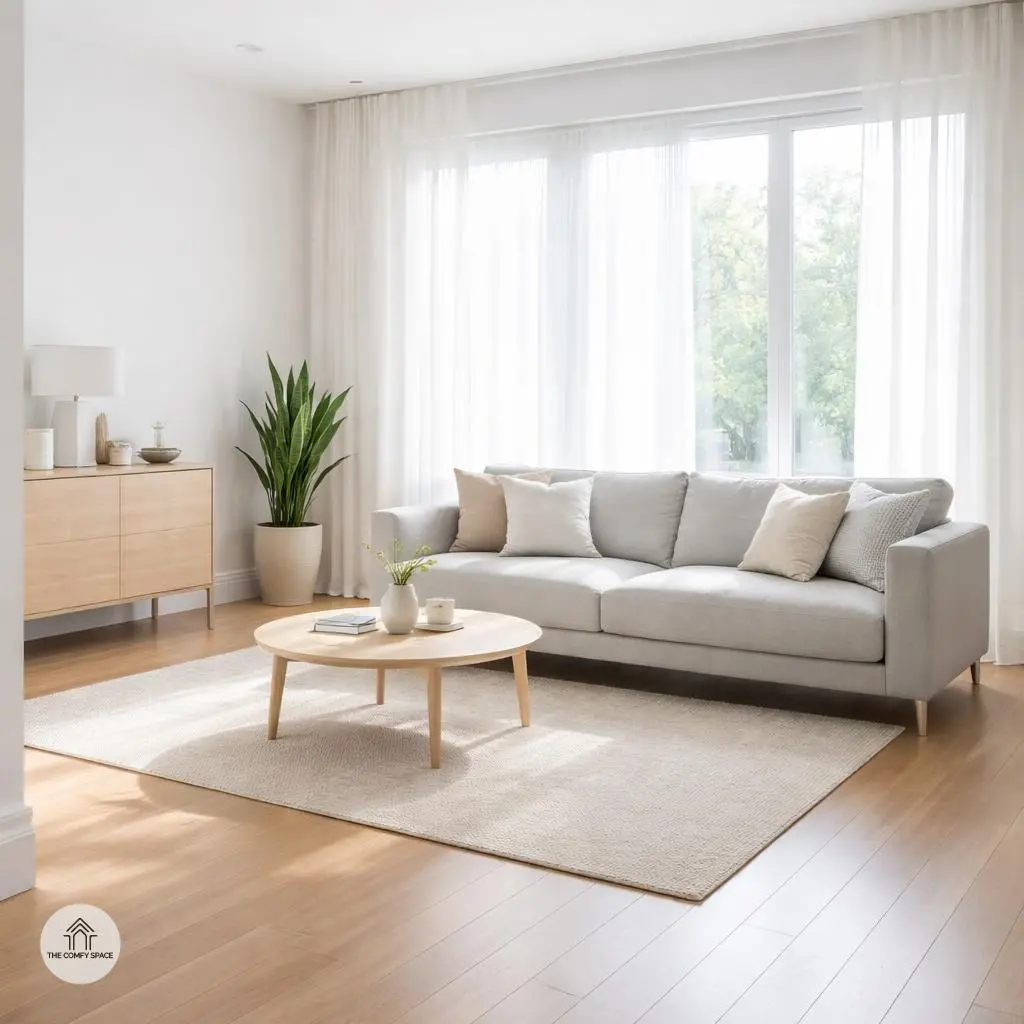
Regular Cleaning Rituals That Actually Work
Keeping your home fresh can feel like a never-ending battle, but some simple rituals really do the trick! Vacuuming twice a week with a HEPA filter vacuum cleaner is a game-changer. It tackles those pesky allergens that regular vacuums miss, making your air cleaner and your sneezes fewer. Trust me, after battling dust bunnies for years, this step saved me from endless sneezing fits.
Next, swap your dry dusting cloth for a damp one. Dry dusting just redistributes those tiny particles into the air — not what you want. Using a damp cloth traps dust better, leaving surfaces sparkling and allergen-free. Lastly, don’t slack on washing bedding weekly in hot water. It’s a proven way to kill dust mites and allergens lurking where you spend so much time relaxing. “Consistency is key when fighting household allergens,” interior designer Amy Mills says, reminding us that regular care keeps things comfy and healthy at home.
Control Indoor Humidity for Mold Prevention
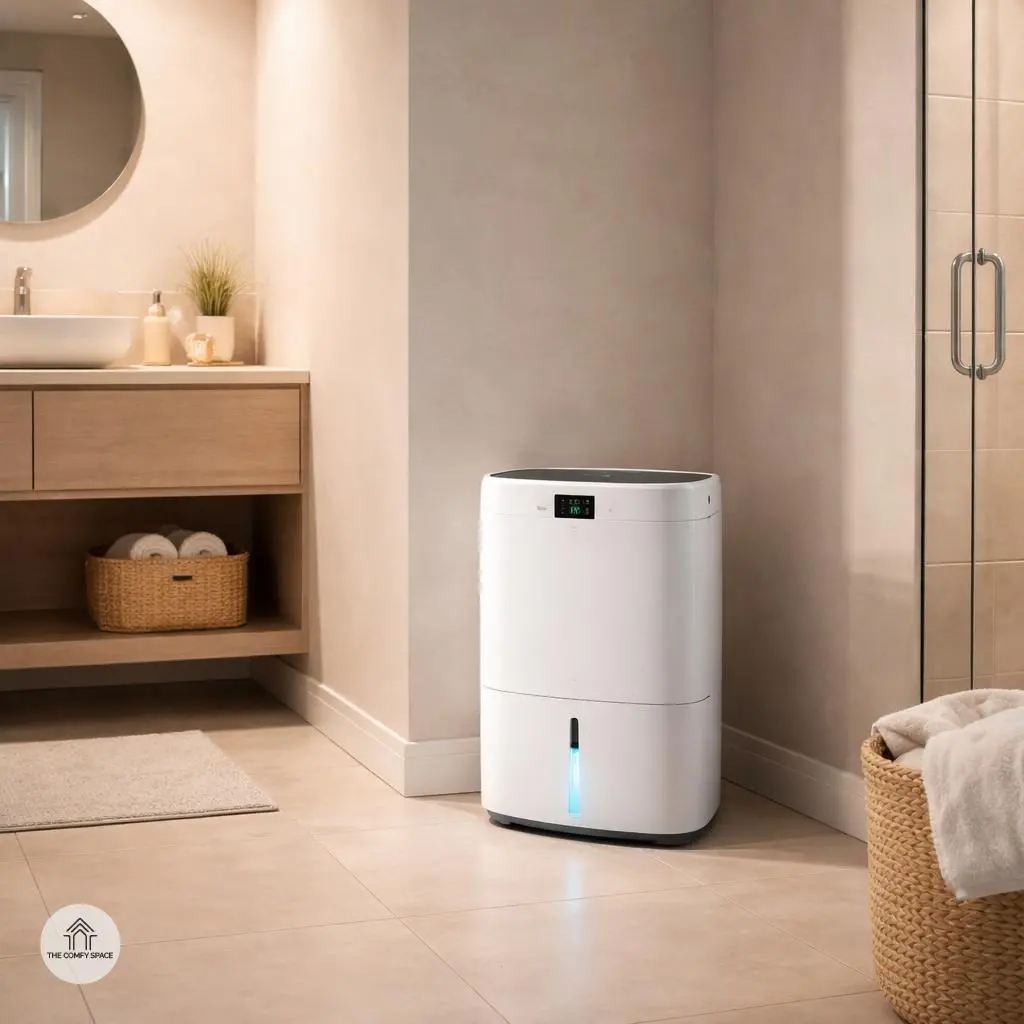
Keeping indoor humidity between 30-50% is like giving mold a strict no-entry policy. When moisture levels get too high, mold parties start, usually uninvited and way too soon. Using dehumidifiers, especially in stubbornly damp spots like basements and bathrooms, can be a game-changer. These little gadgets quietly suck up excess moisture, creating a less cozy environment for mold. Trust me, after battling a sneaky mold outbreak in my own basement, I swear by a reliable dehumidifier.
Never underestimate the power of a quick fix! Fixing leaks and drying damp spots immediately is your best mold-fighting strategy. I learned this the hard way after ignoring a slow drip under my sink—hello, surprise mold! Remember, a stitch in time saves nine. As professional home experts often say,
“Preventing mold is about controlling moisture before it becomes a problem.”
Simple steps keep your home fresh, safe, and mold-free.
Incorporate Allergy-Reducing Indoor Plants
Bringing indoor plants into your home can be a game changer for both style and air quality. Choosing allergy-friendly options like spider plants and peace lilies not only adds a fresh vibe but also actually helps cleanse the air. I learned the hard way during my first plant spree that not all greenery is welcome; plants that produce pollen or irritate can turn a relaxing space into a sneeze fest. So, picking wisely is key.
Another tip? Don’t forget to wipe those leaves regularly. Dust buildup can defeat your air-cleaning efforts, and let’s be honest, dust is a major trigger for allergies. A quick weekly wipe with a damp cloth keeps your plants happy and your air fresher. As interior designer Jane Doe says,
“A clean leaf is a happy leaf, and your lungs will thank you.”
Plus, it’s also a great excuse to give yourself a little plant TLC break!
Limit Pet Allergens Without Giving Up Your Furry Friends
Living with pets when you’re allergic can feel like a game of hide and seek with your own sneeze reflex. Keeping pets out of bedrooms and off your bed might seem harsh, but trust me — it’s a game changer for morning sinuses. Your bedroom can be your allergen-free sanctuary, making a peaceful night’s sleep possible. And if you’re like me, who’s battled the urge to let the cat on the bed but just couldn’t, remember the trade-off: less sneezing and more rest.
Bathing your pets regularly dramatically cuts down on dander buildup, and no, it doesn’t turn them into water-averse, grumpy furballs forever. It just means smelling fresher and feeling better. Dr. Jane Ellen, an allergist, says,
“Regular pet baths can significantly reduce airborne allergens and improve symptoms.”
And don’t forget allergen-proof mattress and pillow covers — they’re like tiny shields, warding off those pesky particles while you dream of wagging tails and purring pals. It’s all about small, practical steps to keep everyone happy and healthy!