
Spring is like nature’s way of giving us a fresh canvas. It’s the perfect time to shake things up—especially when it comes to our upholstery choices. Swapping out those tired old cushions or reupholstering a beloved chair can breathe new life into any room. And trust me, after one too many spill mishaps in my living room, I learned that picking the right fabric isn’t just about looks, but about living with it daily.
These days, being kind to our planet is shaping how we decorate at home. Sustainability isn’t just a buzzword—it’s a lifestyle. Choosing eco-friendly upholstery means you’re investing in a healthier planet and a healthier home. ‘Sustainability in design is about thoughtful choices that last,’ says interior designer Mia Green. So, when you shop, remember to look beyond the pattern and think about the story behind the fabric.
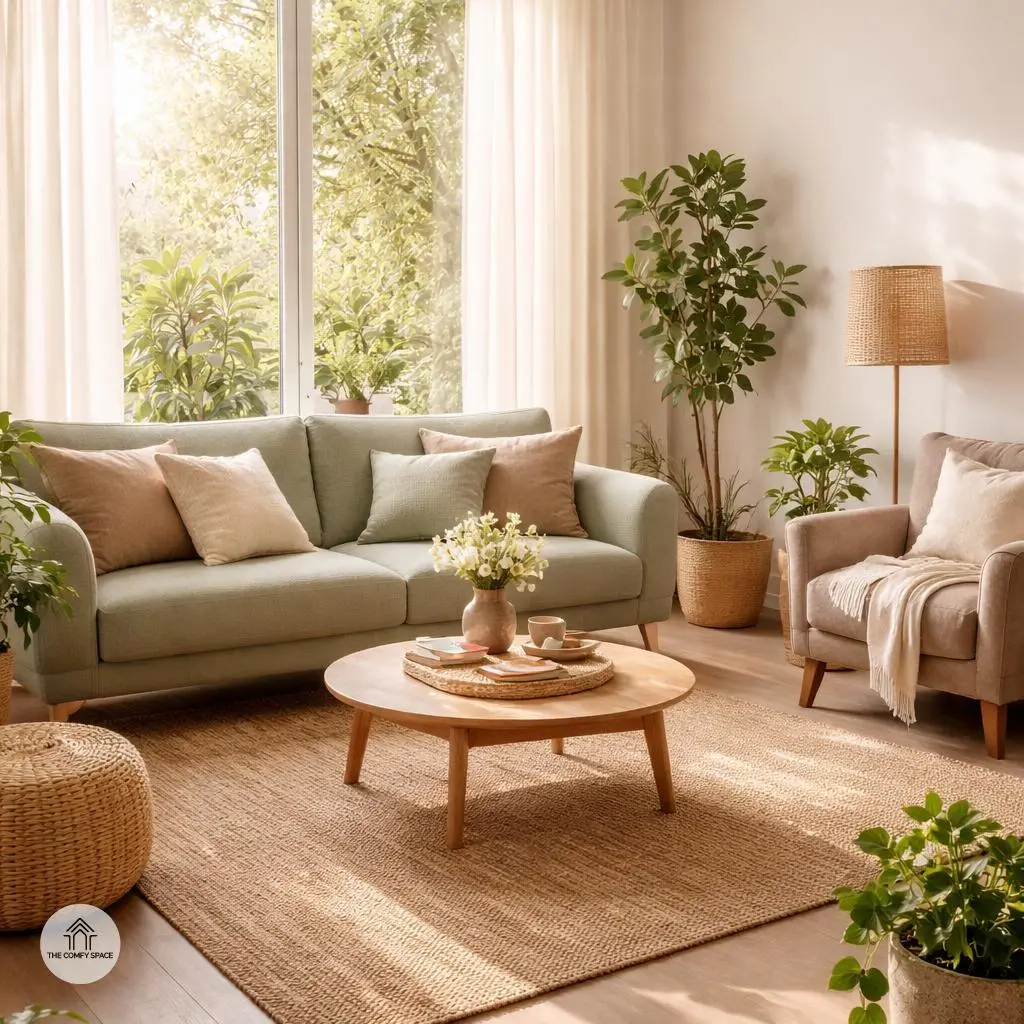
Why Choose Sustainable Upholstery?
Choosing sustainable upholstery isn’t just a trendy choice; it’s a lifestyle shift that benefits you and the planet. When you opt for eco-friendly fabrics, you’re reducing the demand for harmful chemicals and waste in landfills. Plus, these materials often come from renewable sources, helping protect natural resources. I remember the struggle of shopping for my first couch, lines of synthetic options everywhere, but settling on sustainable options gave me that feel-good, ‘I made the right choice’ vibe.
Beyond the environment, sustainable upholstery promotes healthier living spaces. Non-toxic materials mean fewer allergens and irritants swelling in your home. “It’s all about breathing easy and feeling at home,” says Emma Green, a sustainable design expert. Also, supporting ethical production means fair wages and better conditions for workers—something we might overlook but is crucial in our buying decisions. Win-win, right?
Top Eco-Friendly Fabrics for Upholstery
When diving into eco-friendly fabrics for upholstery, organic cotton steals the show with its softness and breathability. Imagine sinking into a couch that feels like a gentle hug but is also kind to the planet. “Organic cotton not only pampers your skin but also reduces harmful chemical use,” an eco-textile expert notes. It’s perfect for families, especially with those unpredictable coffee spills near the couch—easy to clean and comfy to sit on.
Hemp and linen are underrated champs in sustainability. Hemp stands strong with durability and a thirst for almost no water during growth, making it a practical choice for busy homes. Meanwhile, linen brings a natural elegance and biodegradability that’s like giving your space a chic green makeover. Just a heads up: linen wrinkles easily, so expect a lived-in, cozy look rather than perfection. Choosing these fabrics means embracing beauty with a clear conscience!
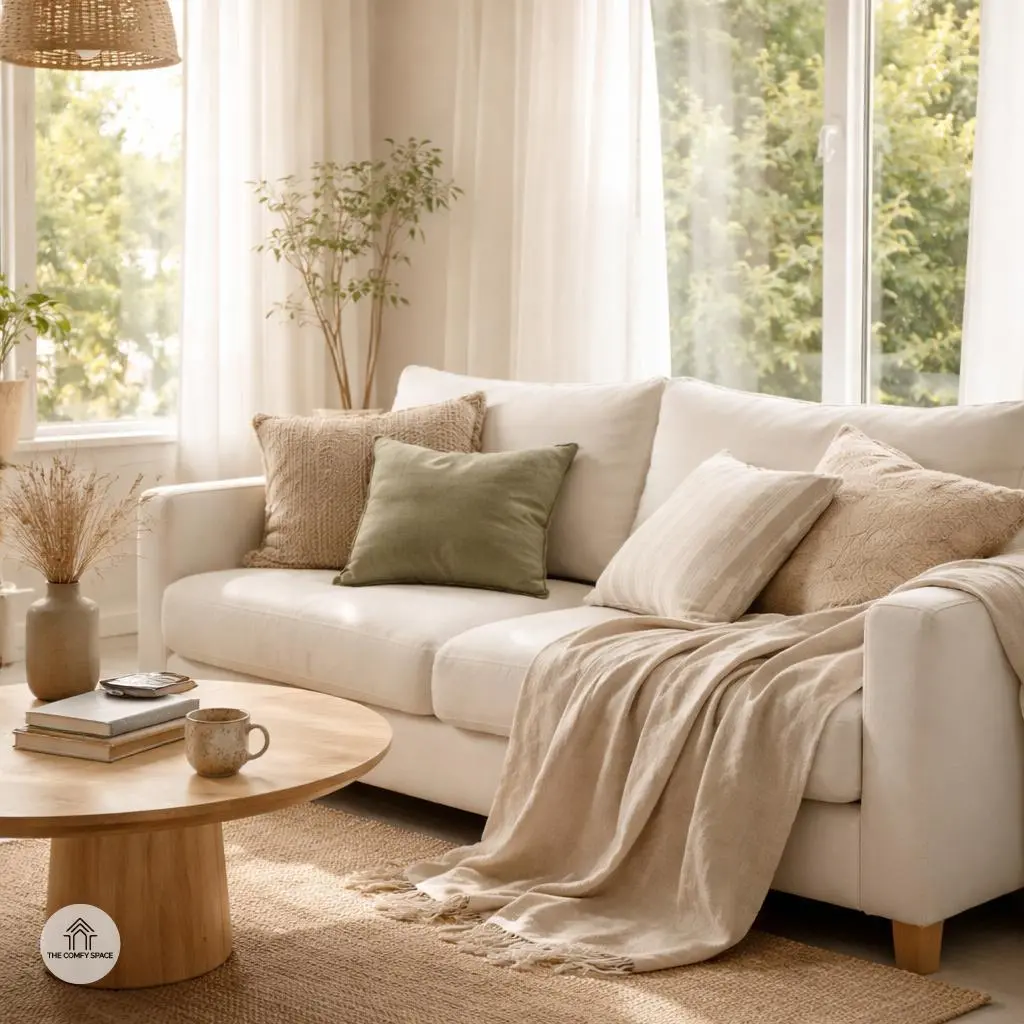
How to Identify Truly Sustainable Upholstery
Identifying truly sustainable upholstery can feel like navigating a maze, especially with so many flashy marketing claims. A good starting point is to check for trusted certifications like GOTS (Global Organic Textile Standard) and OEKO-TEX. These labels mean the fabric has met rigorous environmental and safety standards. It’s like having a mini environmental detective tag attached to your furniture!
Next, dig a bit into where and how the fabric is made. Understanding the fabric origins and production methods helps avoid those tricky greenwashing tactics companies sometimes use. “Authenticity in sustainability comes from transparency,” a sustainability expert once told me during a furniture shopping spree. Look past buzzwords and focus on facts – your upholstery and conscience will thank you!
Refreshing Your Furniture Without Buying New
Giving your furniture a fresh look doesn’t mean you need to rush out and buy new pieces. DIY upholstery projects can be a fun and rewarding way to personalize your space. Imagine transforming that old, tired sofa into a vibrant centerpiece with just some fabric and a few tools. It’s a great excuse to channel your creativity and impress friends with your handy skills. Plus, you get the satisfaction of keeping those sentimental pieces alive instead of tossing them out.
Reupholstering might sound daunting, but trust me, it’s doable. Start with easy-to-remove cushions and pick sustainable fabrics like organic cotton or linen for slipcovers. Not only do these materials feel great, but they’re kind to the planet too. “Reupholstery is the unsung hero of sustainable design,” interior designer Emma Lee says. If you’re new, hit your favorite local fabric shop—I’ve learned the hard way that feeling the fabric before buying saves a lot of returns!
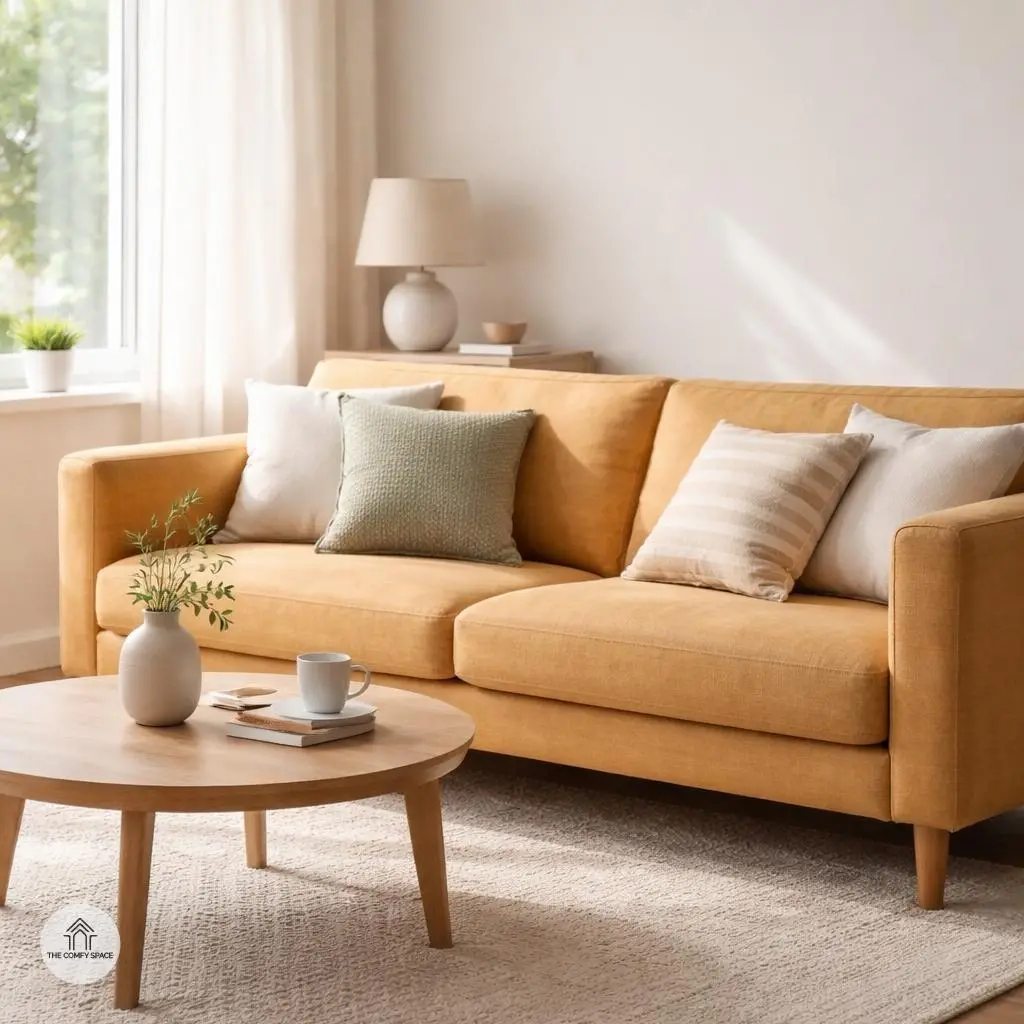
Sustainable Upholstery Care Tips
When it comes to sustainable upholstery care, embracing natural, non-toxic products is a game-changer. I once grabbed a pricey commercial cleaner at a big box store, only to regret the harsh smell and fabric damage later. Instead, mix equal parts white vinegar and water for a gentle yet effective cleaner that’s kind to both your couch and the planet. Plus, it’s a lot cheaper!
Regular maintenance is your upholstery’s best friend. Vacuum often and tackle spills immediately to keep fabrics looking fresh and lasting longer. Avoid excessive washing since it wears fibers down. Expert Jane Doe wisely says,
“Treat your upholstery like your favorite jeans – don’t overclean, just care thoughtfully.”
Keeping tabs on these little habits saves you from premature replacement and supports sustainability effortlessly.
Shopping Smart: Where to Find Sustainable Upholstery
Finding sustainable upholstery doesn’t have to feel like hunting for a needle in a haystack. Supporting local artisans and makers is a great way to get unique, eco-friendly pieces that tell a story. Imagine chatting with the person who crafted your chair—trust me, it feels way better than scrolling through endless online listings. Plus, you support your community and reduce your carbon footprint, two birds with one stone!
If you’re more of an online explorer, don’t worry—plenty of sustainable furniture brands are just a click away. Tip: always check for certifications or customer reviews focused on eco-consciousness. And for the hands-on folks, visiting fabric stores with eco-friendly selections is a game changer. I once got lost among countless textile choices and ended up with a beautiful hemp blend that felt amazing and looked stunning. Just don’t be shy to ask store staff for guidance; they’re often treasure troves of tips!
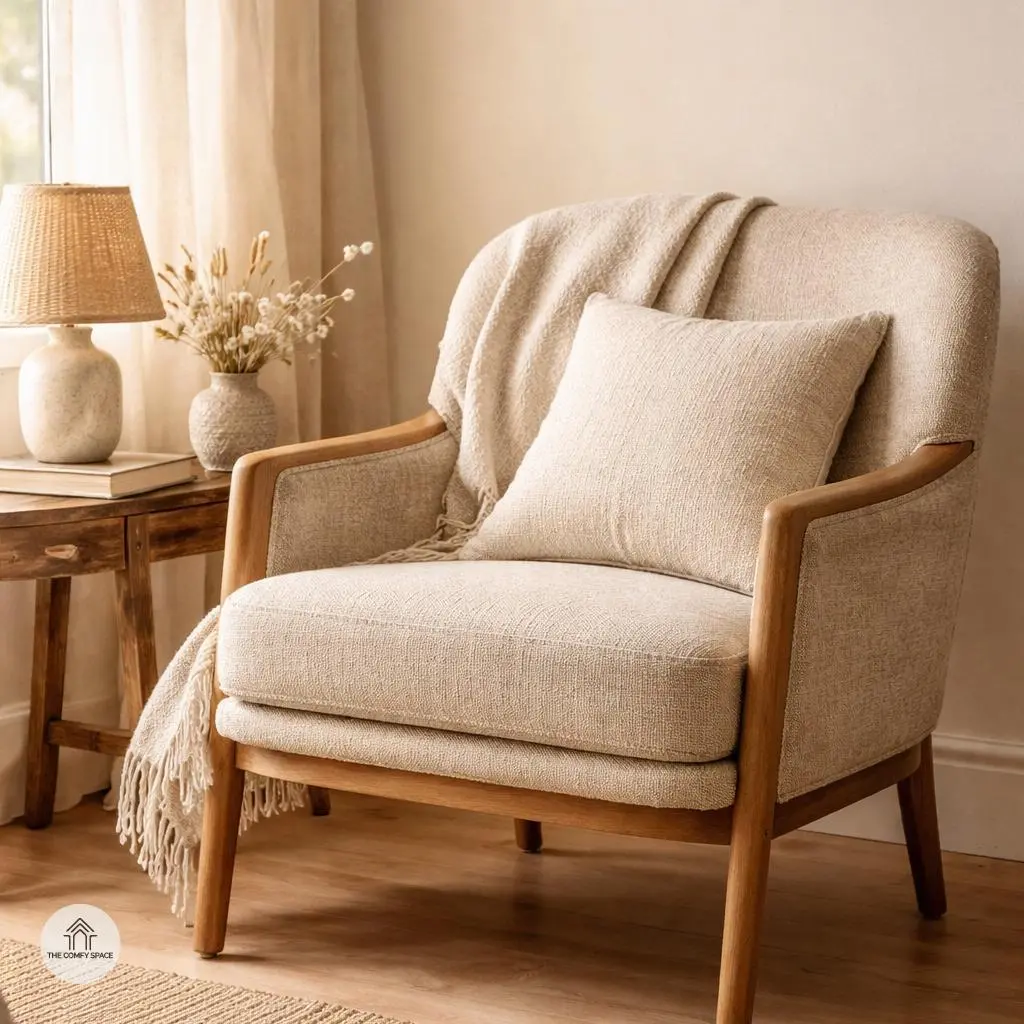
Real-Life Stories: Learning from Upholstery Mistakes
We’ve all been there—falling in love with a gorgeous fabric only to realize it’s a terrible fit for our busy living rooms. Choosing delicate materials like silk for sofas in high-traffic areas turns out to be a costly mistake. I remember thinking, “This lovely fabric will last forever!” Spoiler alert: it didn’t. Upholstery expert Jane Doe wisely says,
“Always pick durable fabrics for everyday use—even if they’re not the fanciest.”
It’s a lesson I learned the hard way, surrounded by multiple tiny tears and stubborn stains.
Then there’s the underestimated challenge of fabric care. Who knew that some materials require weekly gentle cleaning or special products? Skipping these steps can quickly age your furniture. But here’s the silver lining—reupholstering saved my old couch’s life. What was once worn-out and sad became my new favorite cozy spot! It’s proof reupholstering isn’t just for fixing mistakes; sometimes, it’s about breathing new life into family heirlooms and avoiding the retail trap of ‘one more wrong purchase.’