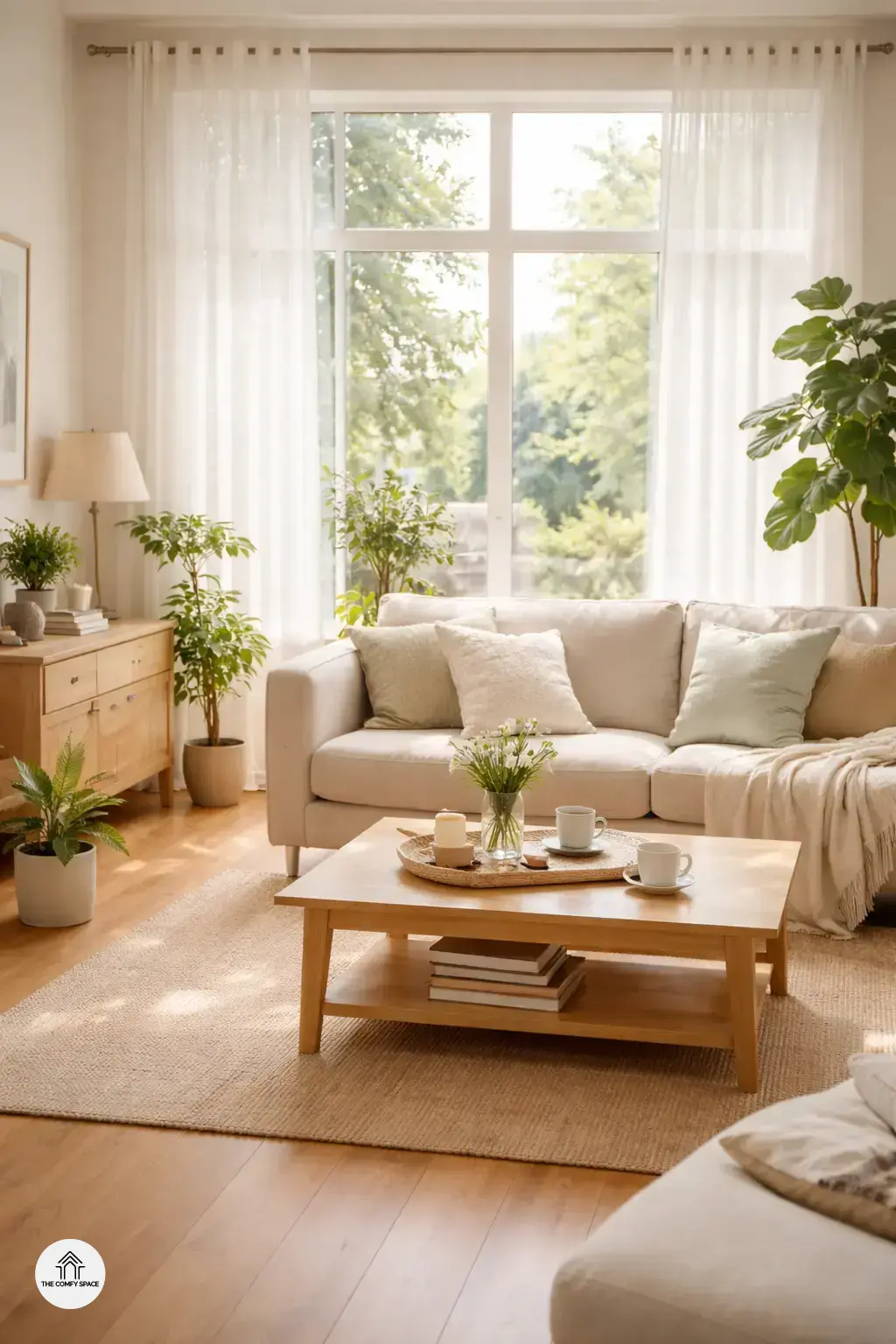
Feeling overwhelmed by clutter at home? You’re not alone. Many of us look around and think, “When will I ever get to tidying up?” The good news is, decluttering doesn’t have to be this massive, intimidating task. A simple week-long challenge can be the perfect jumpstart to reclaiming your space without the stress.
Imagine dedicating just a small part of each day to sorting through those piles. As professional organizer Jane Smith says,
“Small, consistent steps are the secret to lasting tidiness.”
It’s about progress, not perfection. I’ve been there—lots of starts and stops at Target’s home aisle, and lots of “why do I have two identical spatulas?” moments. This challenge helps you break the clutter cycle with manageable tasks and some humor along the way.
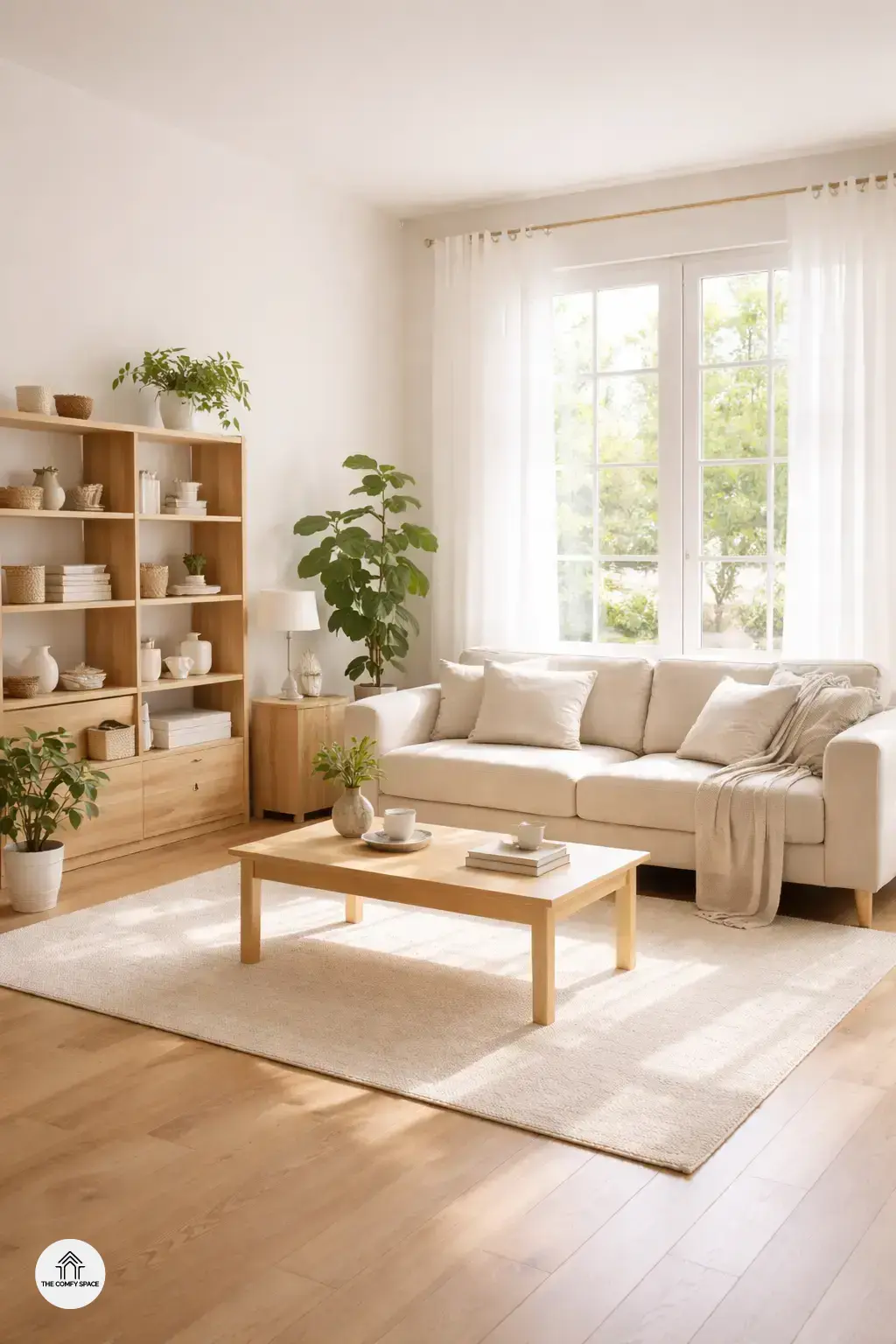
Start Small: Tackle One Area a Day
Starting small is the ultimate secret weapon in any declutter challenge. Instead of staring down an entire room and feeling overwhelmed, focus on bite-sized spaces like a drawer or countertop. It’s surprising how much satisfaction you get from organizing a tiny area, and it gives you a quick win to celebrate. “Decluttering in small sections helps maintain momentum without feeling like an endless task,” professional organizer Jamie Lee says.
Avoid the ‘everything at once’ trap—that’s a fast track to burnout. Breaking the job down keeps it manageable and way less stressful. Plus, these mini victories add up quickly. Reward yourself for each small win, maybe with your favorite coffee or a guilty pleasure show, and watch motivation soar. Trust me, I once tried to overhaul my chaotic closet in a day. Spoiler: I gave up halfway and learned to love the power of small steps instead.
Sort Smart: Keep, Donate, Toss
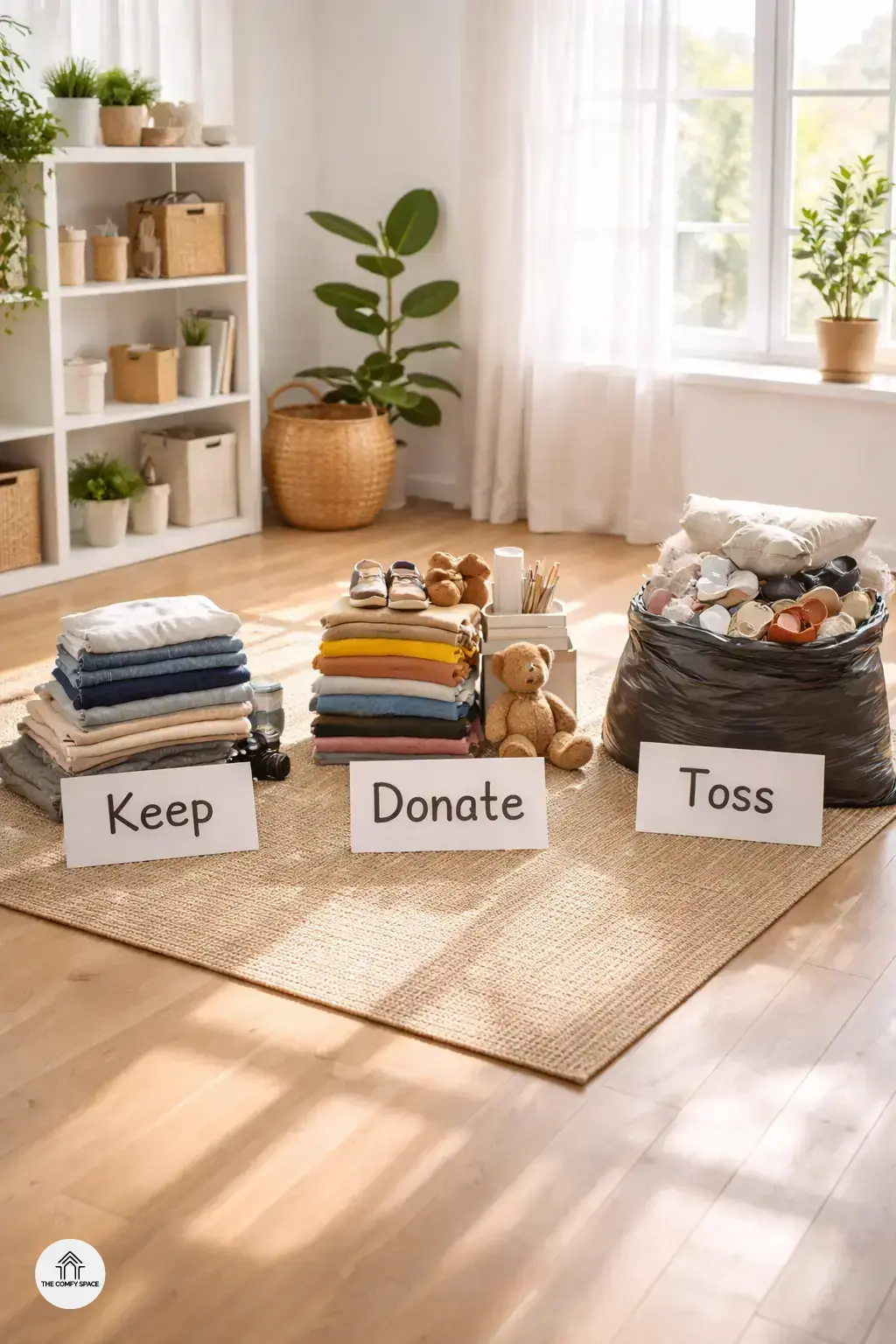
Sorting through your stuff can feel overwhelming, but creating three clear piles—Keep, Donate, Toss—cuts through the chaos. It’s a simple trick that helps avoid the dreaded indecision trap. Trust me, I once stood frozen over a stack of old T-shirts, unsure whether to hold on or let go. Breaking it down into clear categories gave me the nudge I needed to move forward.
“Letting go of stuff doesn’t mean losing memories; it means making room for new ones.”
Donation can feel surprisingly liberating, not wasteful. Whether it’s that scarf from forever ago or a book you’ll never read again, gifting these items feels good and clears space. And don’t worry about sentimental items—they’re the toughest, but even they find a better home eventually.
Storage Solutions That Work for Real Life
If you’re like me, buying fancy storage bins sounded like the perfect solution—until half of them ended up as dust collectors. Using affordable bins and baskets from familiar stores like IKEA or Target can save you a small fortune, and they’re often more practical than the flashy ones we fall for online. Plus, labeling everything is a lifesaver! It’s amazing how a little sticker can transform chaos into calm. “Labeling doesn’t just organize your space, it organizes your mind,” says storage expert Jane Doe.
Don’t beat yourself up over overbuying organizers you don’t end up using. I’ve been there—buying all the trendy boxes, then realizing I have no clue where to put them. Learning from these oops moments is part of the journey. Start simple, find what actually works for your lifestyle, and embrace the mess-ups—they help you find your system.
Maintaining Your Tidier Home Beyond the Challenge
Keeping a tidy home after the whirlwind of a declutter challenge is where the real magic happens. Set daily 5-minute tidy-up sessions; it’s like flossing for your home—small, quick, but super effective. Trust me, after skipping this, I found a mountain of unmatched socks under the bed. Professionals agree, “Consistency is the secret sauce,” says interior designer Lisa Grant. Embracing the imperfect is also key; a little clutter isn’t the enemy, it’s part of life.
Everyone slips up—that’s reality! I once let my just-clear room turn chaotic in a weekend after a busy week. What matters is bouncing back without guilt, like pressing reset on your favorite playlist. Sharing these relatable moments helps us see that maintaining order isn’t about perfection, but progress and kindness to ourselves.