Choosing eco-friendly flooring isn’t just a trendy choice; it’s a commitment to our planet. Traditional flooring materials often come from sources that hurt the environment, like deforestation and toxic manufacturing processes. Many homeowners don’t realize that opting for sustainable flooring can massively cut down your home’s carbon footprint. Plus, you’ll be doing Mother Nature a solid by reducing waste and preserving precious resources.
Thanks to modern technology, sustainable flooring has become stylish and surprisingly affordable. “Eco-friendly floors now blend functionality with chic design,” says Ava Green, a leading interior designer. From bamboo to recycled hardwood, options are endless. So, if you’ve ever struggled with the endless choices at your local store, don’t stress—you’re not alone. Taking that first step towards greener living can feel daunting but totally worth it.
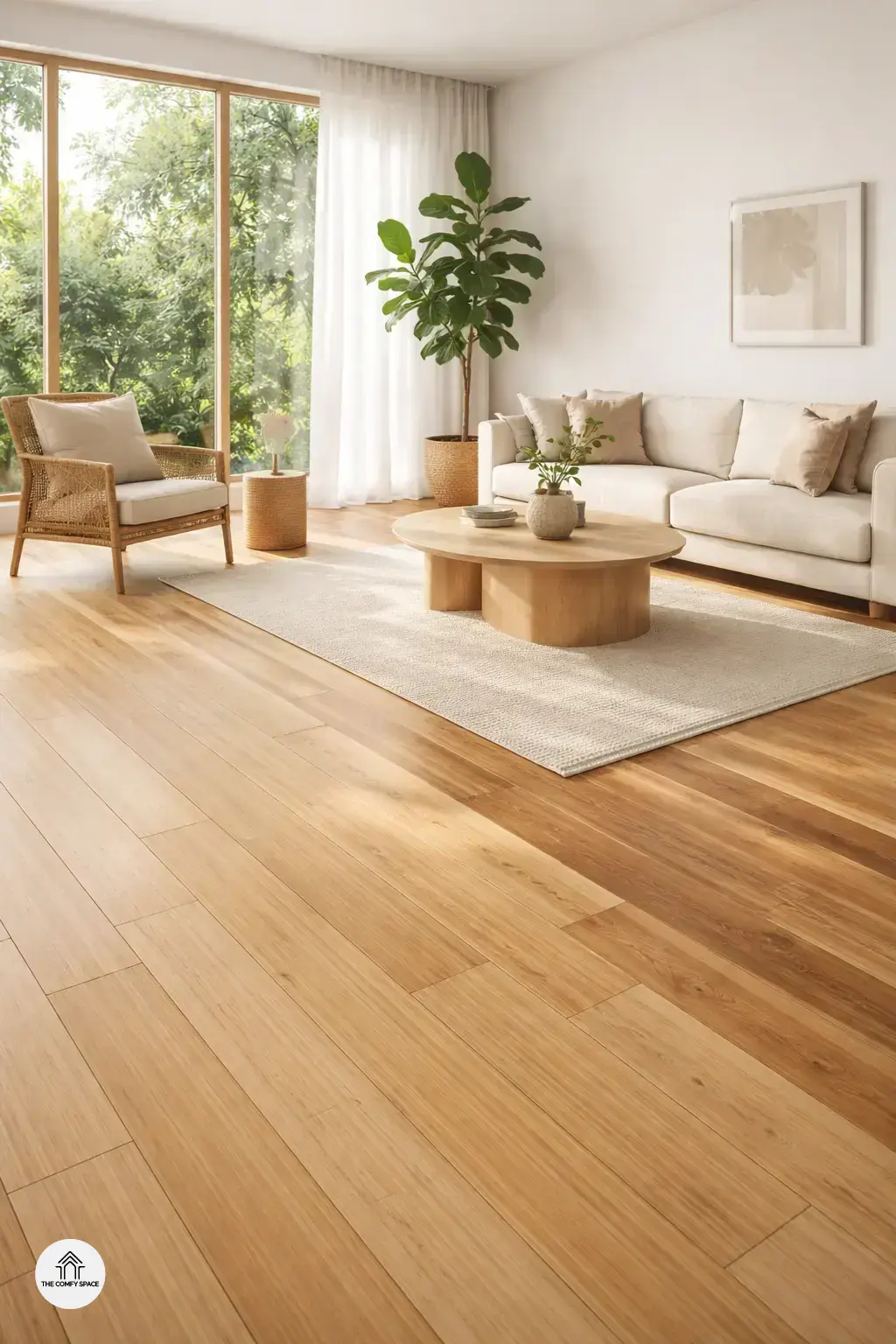
Bamboo Flooring: A Quick-Growing, Stylish Choice
Bamboo flooring has become a favorite among eco-conscious homeowners, and for good reason! As a fast-growing and renewable resource, bamboo replenishes itself in just a few years, unlike traditional hardwoods which can take decades. I’ve personally fallen for its sustainable charm — plus, it’s quite the looker with its natural wood appeal. Who thought going green could be this stylish?
It’s not just about looks; bamboo is durable and easy to maintain. I remember the first time I installed bamboo floors in my living room; despite my clumsiness, the floors bounced back from spills and scuffs like a champ. Experts often highlight bamboo’s resilience, with one designer noting,
“Bamboo combines eco-friendliness with strength, making it perfect for busy homes.”
Give bamboo flooring a shot, especially if you want a smart, sustainable foundation that balances beauty with practicality.
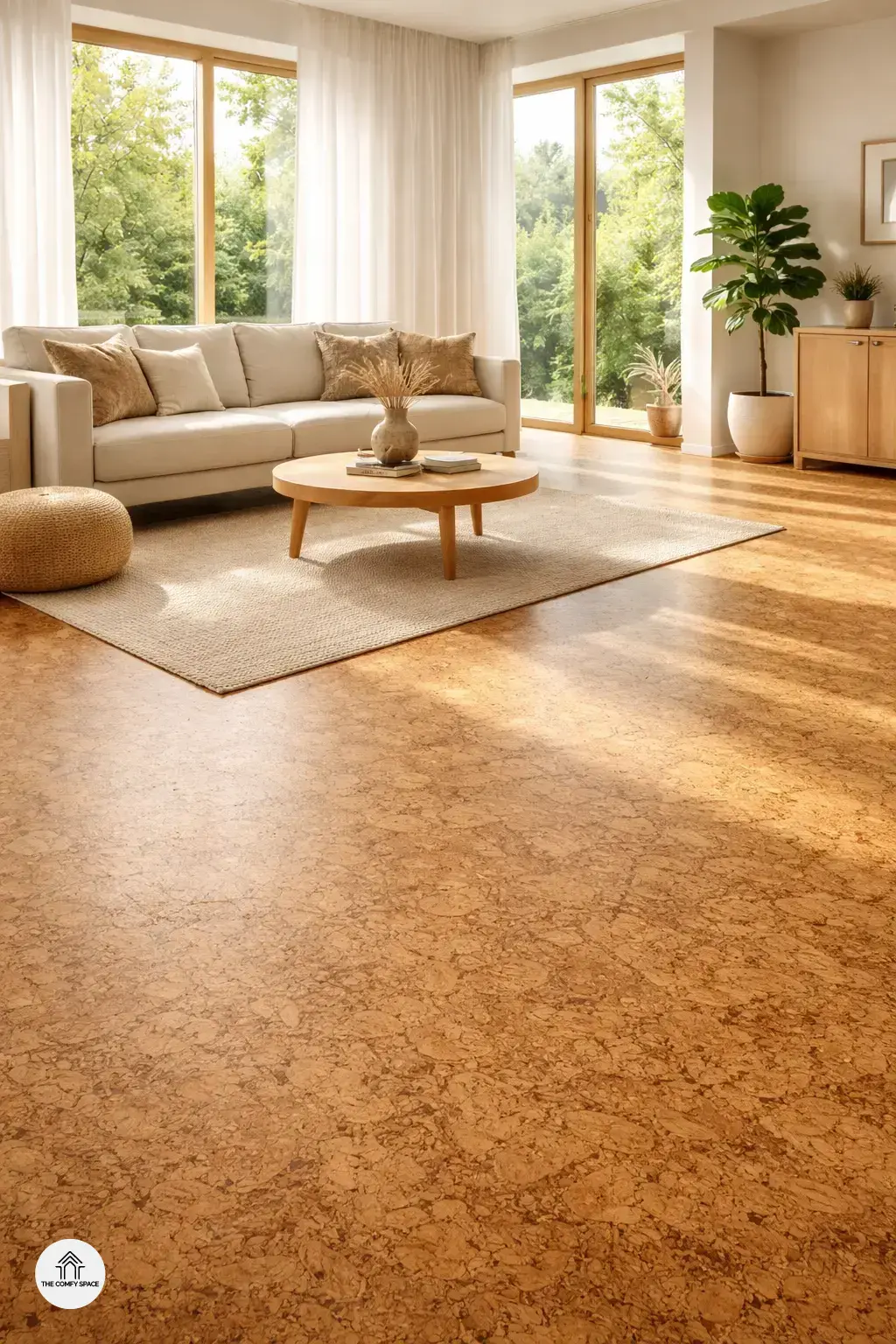
Cork Flooring: Comfort Meets Sustainability
Cork flooring is a hidden gem in the world of eco-friendly flooring. Harvested from cork oak bark without harming trees, it’s a perfect example of sustainability done right. I once switched my living room floor to cork and instantly noticed how warm and snug it felt underfoot. It’s naturally anti-microbial, which means fewer dust mites and allergens hanging around – great news for anyone with sneezing members in the family. “Cork’s unique properties make it both stylish and eco-conscious,” says Green Home Architect, Emily Jones.
Besides comfort, cork floors offer fantastic insulation against noise and temperature, turning your space into a cozy retreat even during chilly winters or noisy evenings. When shopping, I recommend visiting local stores to feel cork samples firsthand. It’s a tangible reminder that eco-friendly choices don’t mean you have to sacrifice comfort or style.
Reclaimed Wood Flooring: Vintage Charm with Eco Impact
Reclaimed wood flooring is like a treasure hunt for your floors. It saves old wood from landfill, giving those worn planks a whole new life in your home. Not only are you doing a solid for the planet, but you’re also adding a slice of history underfoot. Every scratch and knot tells a story, making your floor truly one-of-a-kind. As interior designer Anna Lee puts it,
“Using reclaimed wood is like inviting a bit of the past to dance with the present.”
Plus, if you’re like me and have faced the horror of sky-high new hardwood prices at the usual stores, reclaimed wood can be a pleasant surprise. It often turns out to be more affordable, especially when you source locally or get creative with salvage yards. Just a heads-up: sometimes you’ll need to wrestle a bit with uneven boards, but hey—that’s part of the charm and adventure!
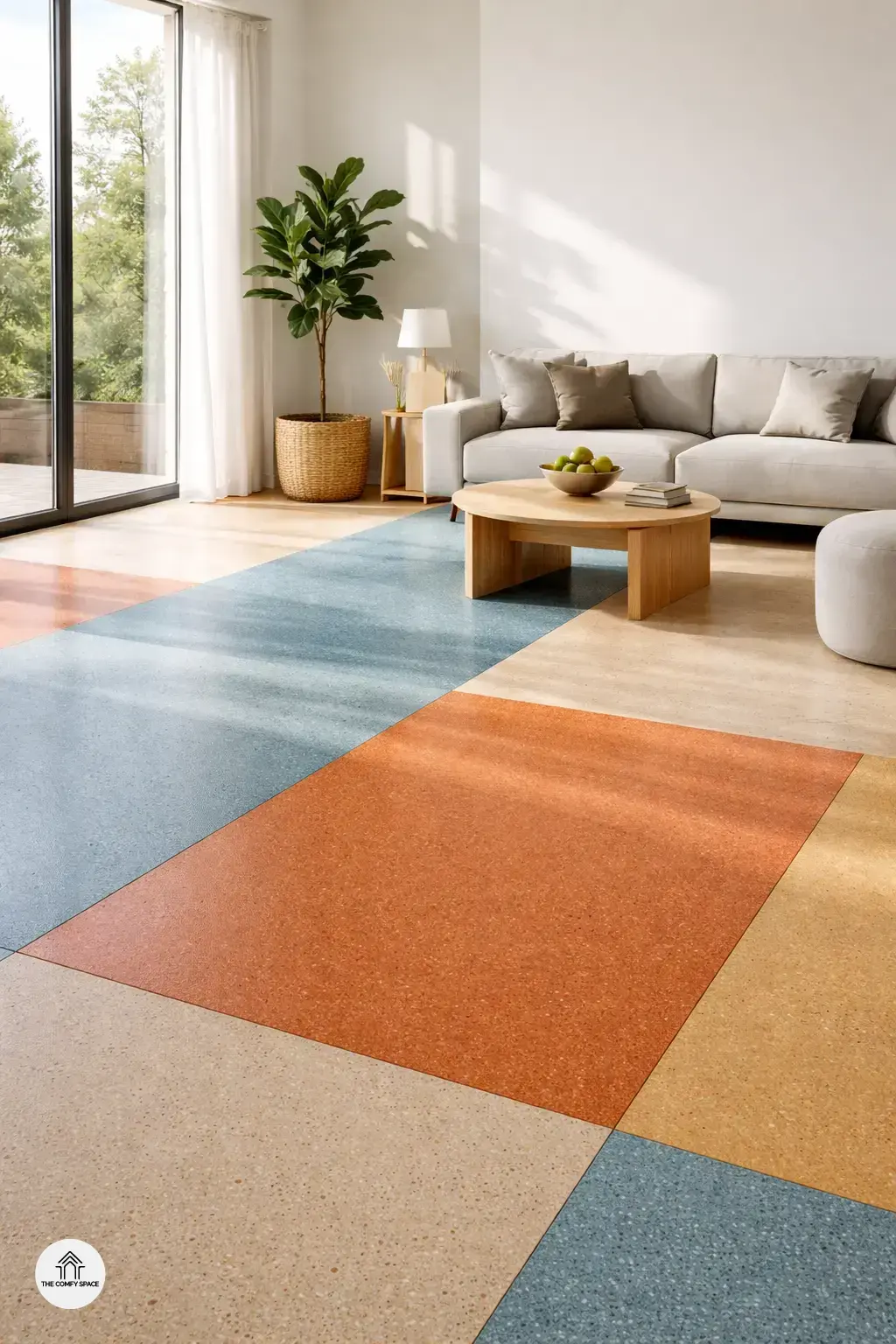
Linoleum Flooring: Natural and Versatile
Linoleum flooring is a champ when it comes to eco-friendly flooring, made from linseed oil, wood flour, and other natural materials. It’s like Mother Nature’s own carpet, but in a hardwearing, colorful form! One homeowner shared,
“I loved that it’s biodegradable yet sturdy – it lasted years despite my kids’ endless energy!”
That durability lets you enjoy its charm without frequent replacements, meaning less waste and more saving in the long haul.
Shopping for linoleum was a fun challenge; the variety of vibrant colors and patterns helped me pick something that actually matched my quirky taste (pro tip: bring a sample home because lighting can be sneaky). Plus, installation felt smoother than expected, but don’t rush – prepping the surface right made all the difference. So, if you want style without compromise, linoleum is a smart choice for modern, sustainable homes.