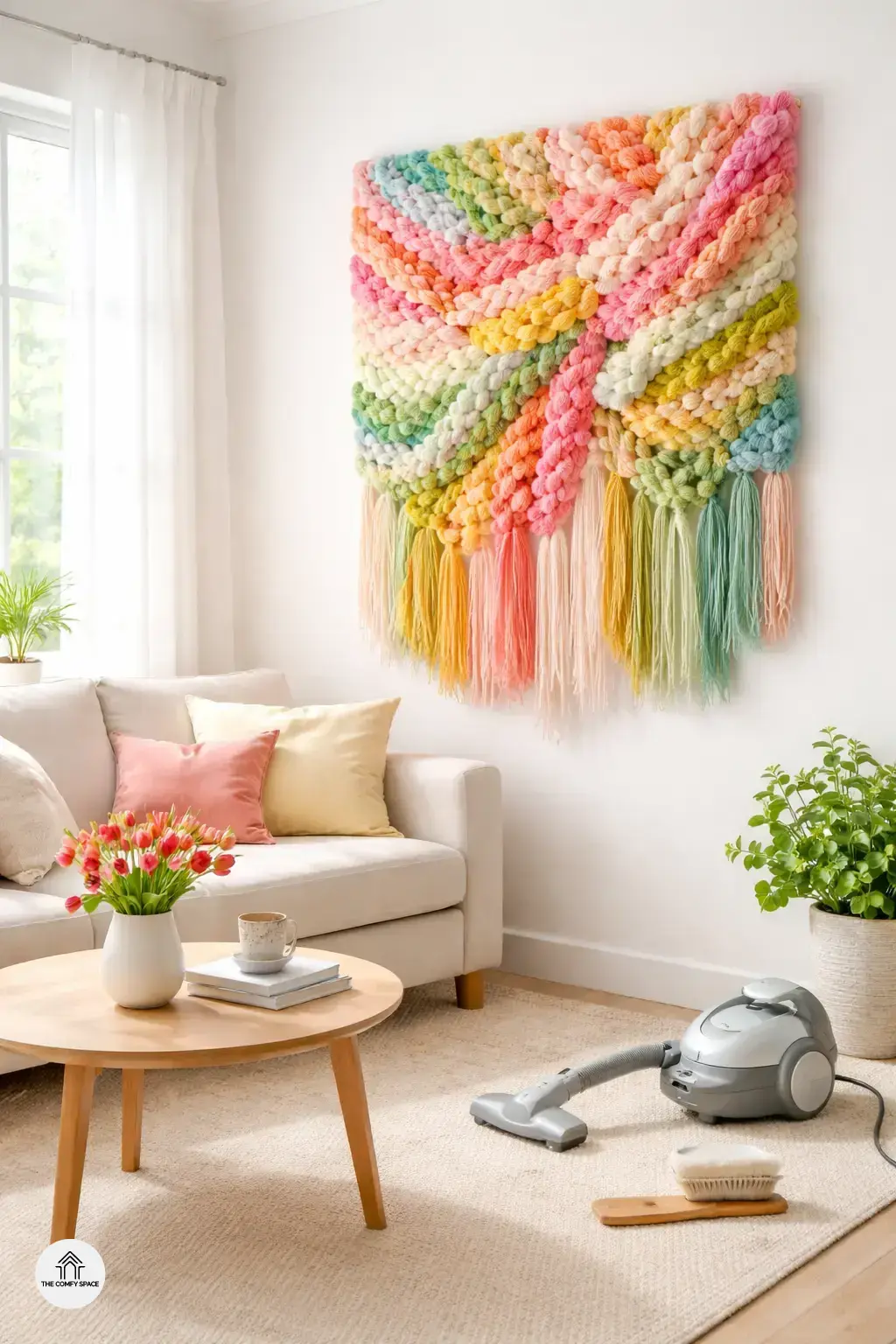
Fiber art adds cozy texture and warmth to any space, making it an ideal choice for brightening up your walls and accents in spring. After dragging ourselves through those dull winter months, it feels amazing to invite a touch of softness and comfort back into our homes. Plus, with a mix of weaves, knits, and tassels, fiber art offers a delightful tactile experience that feels both fresh and familiar.
Another win? Fiber art brings a pop of color and personality without the fuss of major redecorating. “Switching up accents with fiber art is like a mini makeover,” design expert Lisa Morgan says. So whether you’re battling the chaos of shopping at crowded stores or simply want to experiment without commitment, fiber art is your go-to for an easy refresh. Trust me, it’s a game changer after wrestling with paint samples and curtains!
Choosing the Right Fiber Art for Your Space
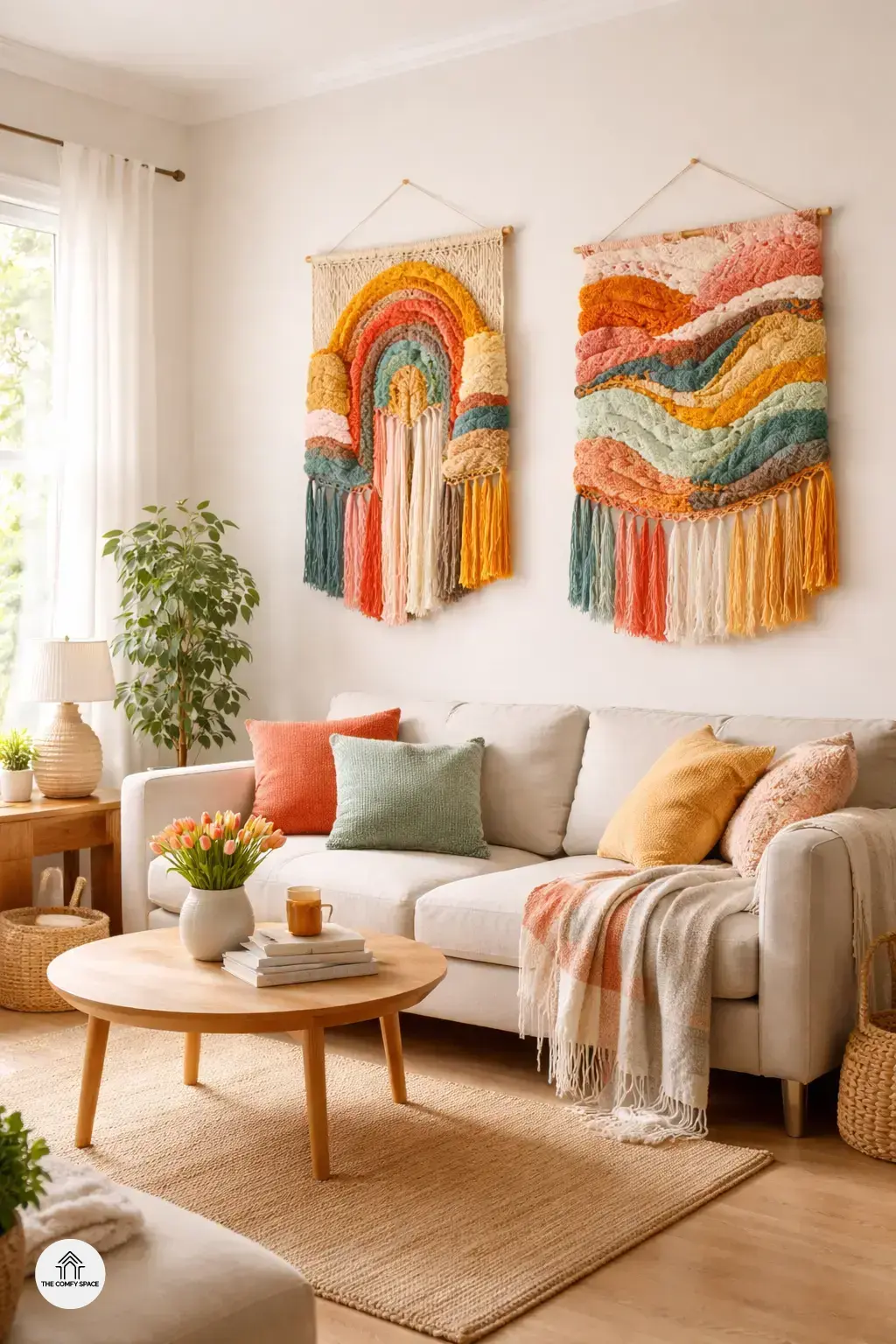
Choosing the right fiber art piece can be a delightful yet daunting task. One common pitfall I learned the hard way was ignoring the size and scale of my wall. It’s easy to get tempted by a stunningly intricate piece only to find it looks lost on a huge empty wall or overwhelms a cozy nook. A pro tip? Step back, measure twice, and consider how the art will breathe in your space before buying.
When it comes to colors, matching your fiber art with existing decor can tie the room nicely. But hey, don’t be scared to mix it up a bit! Contrast can bring fun and freshness. And if you want that authentic, natural vibe, go for natural fibers like wool or cotton. As designer Emma Green says,
“Natural fibers bring warmth and life to any space.”
Trust me, after many shopping blunders at big box stores, these tips saved me endless returns!
Creative Ways to Display Fiber Art
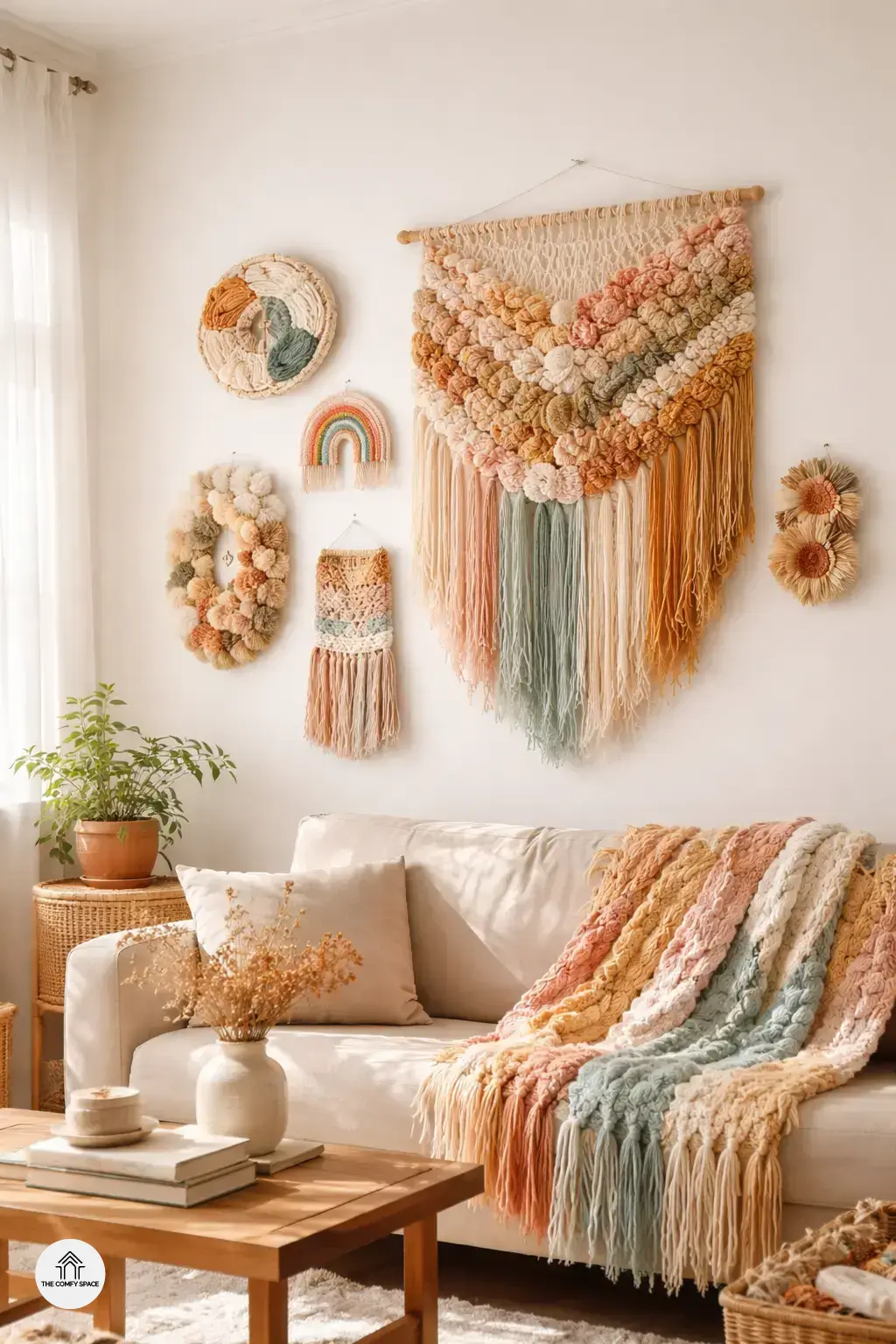
Fiber art is a fantastic way to add texture and color to your space, and there are loads of creative ways to display it. One favorite trick? Hanging pieces as standalone wall art or grouping several smaller works together in clusters. It instantly turns a blank wall into a cozy conversation starter. I once tried hanging a large fiber piece alone, and it felt a bit lonely – adding smaller companions around it made the whole arrangement pop! Interior designer Jane Smith says,
“Clustering fiber art creates visual interest and a dynamic vibe on your walls.”
If you’re feeling adventurous, try using fiber art as curtain accents or draping textiles over furniture to soften harder surfaces. It’s a sneaky way to introduce warmth without committing to permanent changes. Mixing fiber pieces with framed art also works wonders by layering textures and styles. This layering approach transforms an ordinary wall into a playful tapestry of art. Just a heads-up: avoid overcrowding your walls like I once did – less is often more with fiber art, trust me!
Common Mistakes and How to Avoid Them
Ever find yourself drowning in too much wall art that ends up looking more like clutter than charm? Overcrowding a wall is a classic mistake. Fiber art deserves space to breathe, just like that one weird plant you keep forgetting to water. Interior expert Lisa Carter says,
“Less is more, especially with textured pieces like fiber art. Let each piece shine on its own.”
So, give your fiber wall hangings room to sparkle by spacing them well.
Also, picking fibers that clash with your room’s vibe can throw off the whole mood. Think about your existing textures and colors before diving into that new fiber piece at the store – yes, even the one at your favorite quirky boutique! Lastly, fiber art isn’t a ‘set and forget’ deal. Ignoring care could dull those vibrant strands. Keep an eye on dust, and treat your art with gentle love to maintain its springtime freshness.
Caring for Your Fiber Art to Keep It Fresh
Caring for your fiber art is crucial to keep it looking fresh and vibrant, especially as it becomes a cherished part of your spring decor. Regular gentle dusting, for instance, prevents dust buildup, which can dull those gorgeous colors over time. I learned this the hard way when a neglected wall hanging started to look a bit tired. Now, I use a soft brush or a low-powered vacuum with a brush attachment to keep fibers clean without damaging them. As fiber artist Jane Doe says,
“Gentle maintenance is the key to long-lasting fiber art.”
Another common pitfall is exposing fiber art to direct sunlight, which causes fading—been there, done that! Finding the right hanging spot away from harsh sun rays makes a huge difference. Also, spot cleaning should be done with care—always follow recommended methods, whether that’s using mild soap or specialized fabric cleaners. This way, your vibrant fiber piece stays a joyful spring accent for years. Plus, it’s a perfect excuse to slow down and really care for your art, making the experience just as colorful as the piece itself.