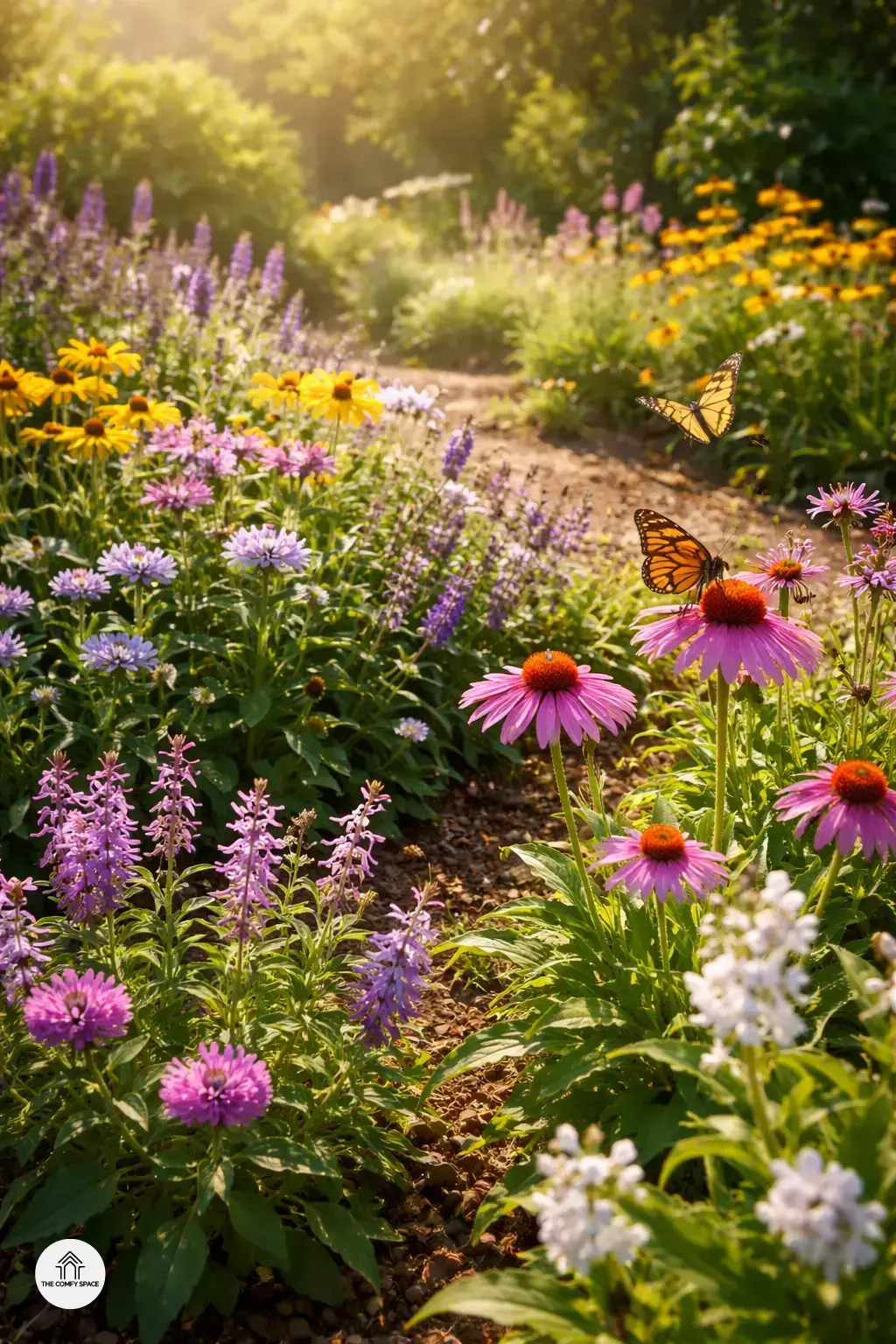
Creating a pollinator-friendly garden isn’t just a trendy idea; it’s a tiny superhero move for the environment. Pollinators like bees, butterflies, and hummingbirds do more than add charm—they boost plant growth by spreading pollen from flower to flower. Without them, many plants wouldn’t produce fruits or seeds. In fact, gardening expert Lisa Green says,
“Pollinators keep our gardens—and our planet—thriving.”
I’ve definitely noticed that my tomato plants were much happier last spring after I added some native wildflowers nearby.
Plus, these gardens support local ecosystems by providing food and habitats for all sorts of critters, helping everything stay in balance. Building one also fights pollinator decline, a real problem caused by habitat loss and pesticides. Trust me, setting up a pollinator-friendly patch—even if it’s just a few pots on your balcony—feels like a small win for nature in a crazy world. Shopping at familiar garden centers and discovering seeds labeled ‘pollinator-friendly’ made it way easier for me to get started without feeling overwhelmed.
Choosing the Right Plants for Spring
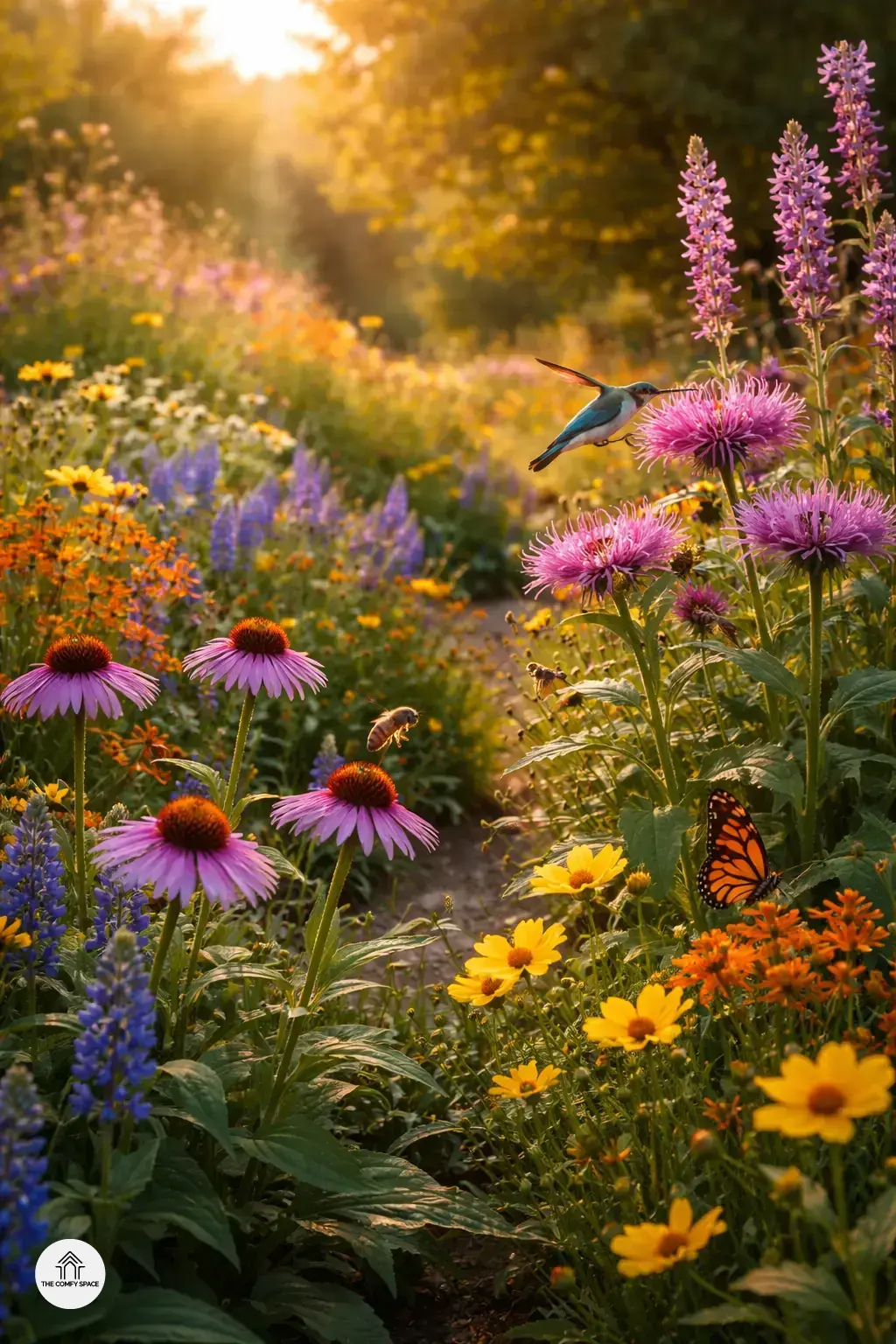
Choosing the right plants for your spring garden can feel like navigating a maze, especially when aiming to attract buzzing pollinators. Start by picking native flowers that bloom early. These local beauties are like welcoming committees for bees and butterflies who need a jumpstart after a long winter. Mixing perennials and annuals is a clever trick too. Perennials come back year after year, giving your garden reliability, while annuals add splashy colors and diversity every season. “Native plants are the VIP pass for pollinators,” garden expert Linda Green says, emphasizing their importance in creating a thriving habitat.
Avoiding hybrid plants with little nectar is a lesson many of us learn the hard way. I once bought a pretty hybrid that looked perfect but sadly, it was a nectar desert—visitors were scarce, and the garden felt a bit lonely! Instead, go for varieties known to offer ample nectar and pollen. Keep in mind, shopping for these gems might mean venturing beyond your usual garden center. Trust me, the extra effort pays off with a garden full of life and buzzworthy blooms.
Simple Steps to Prepare Your Garden Soil
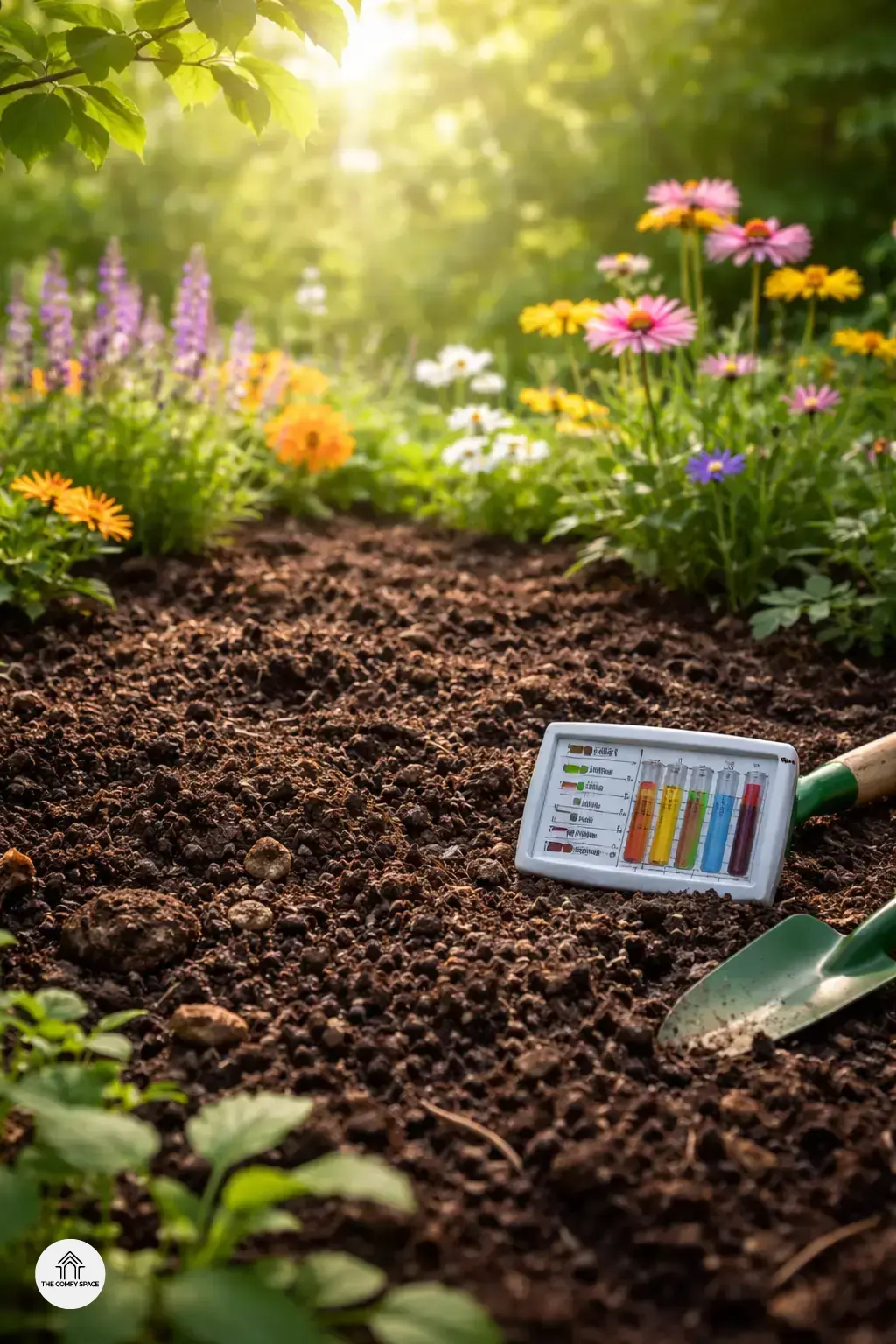
Preparing your garden soil is the first crucial step towards creating a pollinator-friendly spring garden. It’s easy to get excited and start planting, but skipping this step might lead to disappointing blooms. I learned this the hard way after my first spring garden ended up looking more like a rabbit’s buffet than a honeybee’s paradise! Start by testing your soil’s pH and nutrient levels. Many local garden centers offer affordable testing kits. Knowing exactly what your soil needs ensures your plants will thrive and attract those buzzing visitors.
Next, add plenty of organic compost to enrich the soil. This not only improves texture but also feeds pollinators indirectly by nurturing healthy plants. Avoid pesticides and harsh chemicals at all costs—these can harm the very pollinators you want to attract. As gardening expert Jane Green says,
“Healthy soil equals happy pollinators.”
So channel your inner eco-warrior and treat your soil right. Your spring garden will thank you with vibrant, buzz-worthy blooms!
Design Tips That Attract Pollinators
When designing your spring garden to attract pollinators, clustering plants together is a game-changer. Grouping blooms in clusters creates a vibrant buffet that’s easy for bees, butterflies, and hummingbirds to find. I remember my first attempt, scattering flowers randomly, which led to slim pickings for pollinators. Lesson learned! As gardening expert Jane Smith advises,
“Planting in clusters mimics natural foraging patches, making your garden a hotspot for pollinators.”
Don’t forget to mix things up with different flower shapes and colors; this variety caters to the preferences of various pollinators. Add some cozy nooks and a shallow water source too—after all, even pollinators need shelter and hydration. Think of it like a little insect-friendly Airbnb! These simple tips bring your spring garden to buzzing life.
Common Mistakes and How to Avoid Them
Starting a pollinator-friendly garden sounds dreamy until you realize fertilizing feels like a science experiment gone wrong. Overusing fertilizers can actually deter those precious bees and butterflies. Instead, opt for natural compost — it’s like a health smoothie for your plants without the risk of overfeeding. A fellow gardener once said,
“My plants looked fantastic but the bees didn’t show up — turns out, my fertilizer game was too strong!”
Another classic oops is picking invasive plants. They spread like wildfire, outcompeting native blooms that pollinators actually love. Think of your garden as a neighborhood—would you want a noisy, overbearing neighbor? Probably not. Lastly, neglecting garden maintenance is easy when life gets busy, but regular care keeps your garden thriving and buzzing. Simple habits like pruning and watering are your secret weapons to a happy, healthy pollinator haven. Remember, it’s all about balance and a little love.