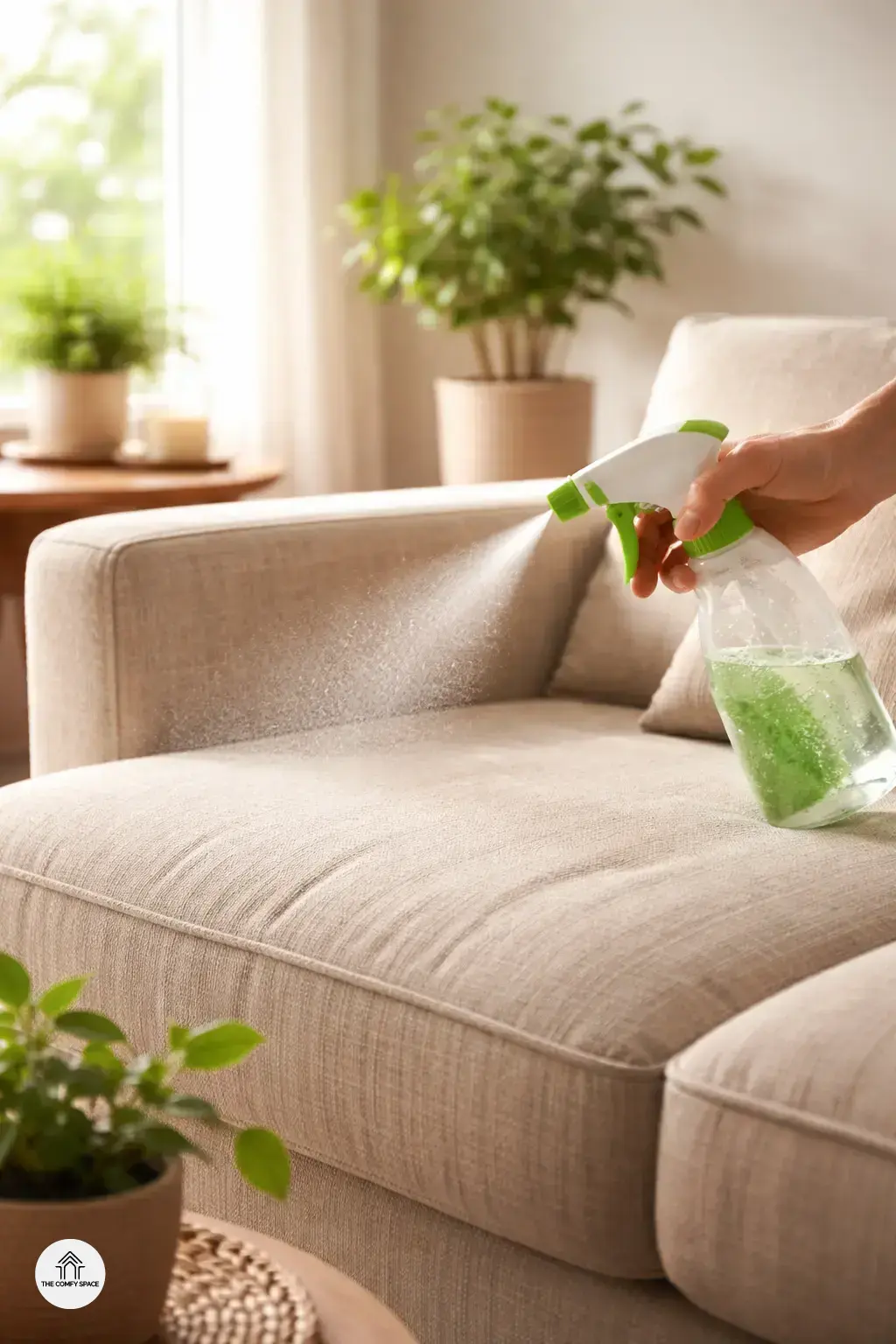
Choosing green cleaning for your upholstery might seem like just another trend, but believe me, it’s a game-changer. Why stick to harsh chemicals that can irritate your allergies or leave that strange, lingering smell? As interior designer Emma Stone says,
“Green cleaning isn’t just better for your furniture; it’s kinder to your home and health.”
Switching to eco-friendly methods means saying goodbye to those headaches and hello to fresh, naturally clean couches.
Many of us have struggled with harsh chemical sprays that make us sneeze or leave upholstery damaged. Eco-friendly care, on the other hand, promises gentle yet effective cleaning without sacrificing results. You can expect a fresher look, no toxic residue, and peace of mind knowing you’re protecting the environment too. Trust me, the transition might surprise you in the best way.

Natural Cleaning Ingredients You Probably Have at Home
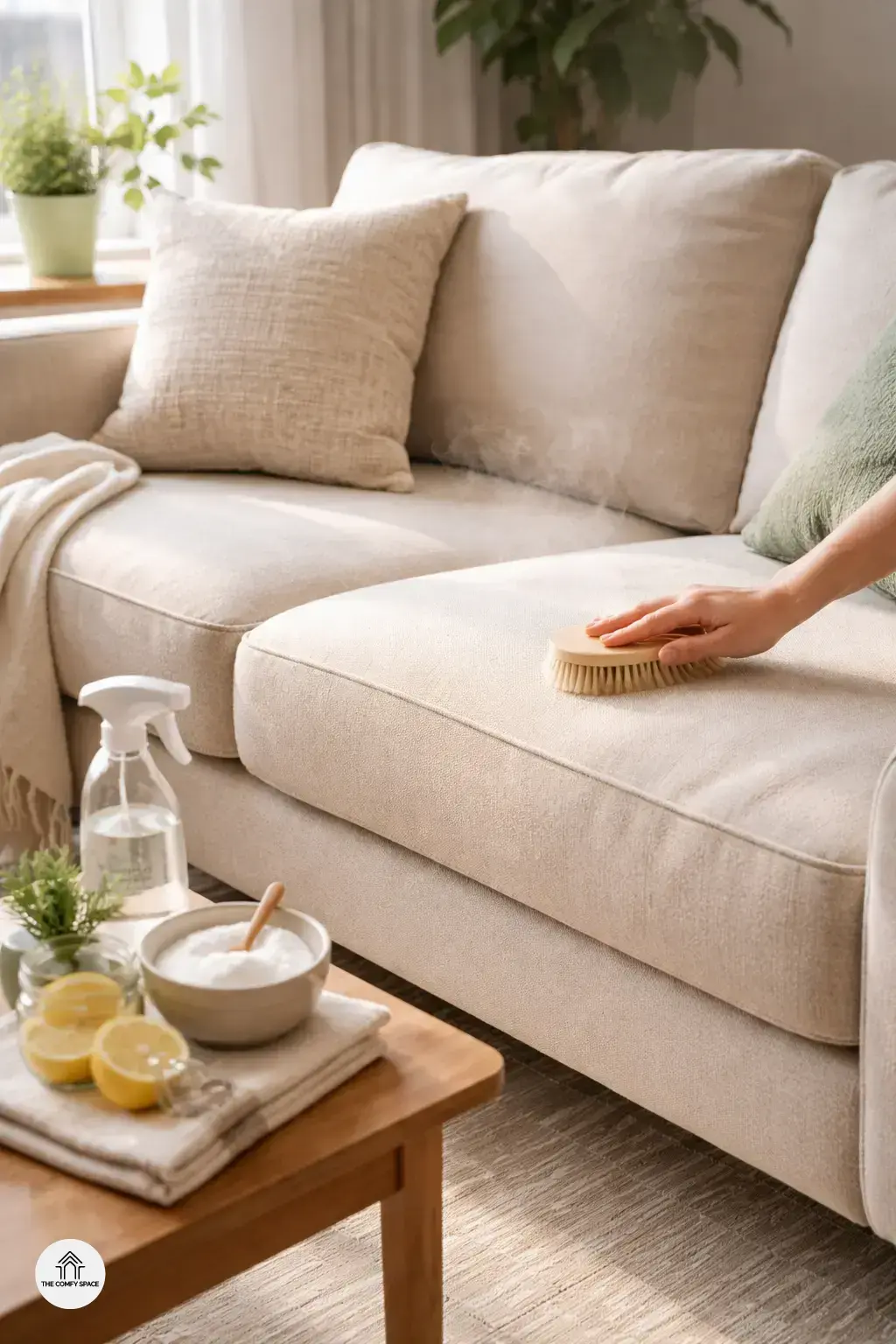
When it comes to cleaning upholstery the green way, you don’t need fancy products. Believe it or not, your kitchen already holds magic potions like baking soda, vinegar, and lemon juice! I once tried baking soda for odor removal after my dog had a little accident. It was a total game-changer; the smell vanished like it was never there. Just sprinkle baking soda, let it sit for 15 minutes, then vacuum away—it’s that easy!
Vinegar is nature’s stain remover superhero. Mixing equal parts vinegar and water creates a safe cleaner that tackles stains without harsh chemicals. Lemon juice is another gem—it brightens fabric and keeps colors from fading, especially after sun exposure. As eco-friendly guru Lisa Green says,
“Simple, natural ingredients like these keep your home fresh without harm to the planet.”
Try these staples; they’ll save you money and headaches!
Step-by-Step Guide to Eco-Friendly Upholstery Cleaning
Cleaning your upholstery the green way starts with a good vacuuming. It’s amazing how much dirt and crumbs hide in those cushions! I used to skip this step, only to find dirt smeared around later—lesson learned. Aim to vacuum every nook thoroughly to remove loose dirt and debris, making the next steps way easier. As eco-cleaning expert Maya Green says,
“Vacuum first, and you’re halfway there.”
Next, mix up a homemade cleaning solution using simple, natural ingredients like baking soda, vinegar, or gentle castile soap. Test it on a small patch first—always wise! Apply gently and avoid soaking the fabric. After cleaning, proper drying is key to ward off mildew, so let your upholstery air dry in a breezy spot or use a fan. Trust me, nothing beats fresh, clean furniture without harsh chemicals.
Tips to Maintain Upholstery Freshness Between Cleanings
Keeping your upholstery fresh can feel like a never-ending battle, especially with daily life throwing spills and crumbs your way. One simple trick I learned the hard way is to regularly fluff and rotate cushions. It’s amazing how this little habit spreads wear evenly and keeps things looking plump. As eco-cleaning expert Lisa Greenberg says,
“A little daily attention goes a long way in maintaining clean upholstery.”
Another gem is sprinkling baking soda before vacuuming—it’s a classic for a reason! This natural deodorizer lifts odors and dust without nasty chemicals, making your space feel instantly fresher. Finally, investing in breathable furniture covers can save a lot of fuss. They protect from stains, allow airflow, and are super easy to wash. Trust me, after battling stains on my favorite couch, these simple tips have been lifesavers!
Common Mistakes and How to Avoid Them
We’ve all been there—enthusiastically scrubbing your beloved couch, only to end up with a soggy, mildew-smelling mess. Over-wetting fabric is a rookie mistake that many fall into. Too much moisture can trap dampness, leading to that dreaded mildew odor. Pro tip: use a spray bottle and apply cleaning solutions sparingly, allowing the fabric to breathe and dry quickly. “Keeping the fabric just damp enough ensures a fresh clean without inviting any fungal friends,” cleaning expert Lisa Adams says.
Another common slip-up is reaching for harsh chemicals. It’s tempting to grab that powerful stain remover, but strong chemicals can eat away at delicate fibers and fade colors. Always opt for gentle, eco-friendly alternatives. And seriously, don’t skip the manufacturer’s instructions—they know their product better than anyone. Whether it’s a tag or a care manual, following those rules saves a lot of headaches (and ruined couches). Trust me, I’ve learned this the hard way after a botched DIY project at home!