
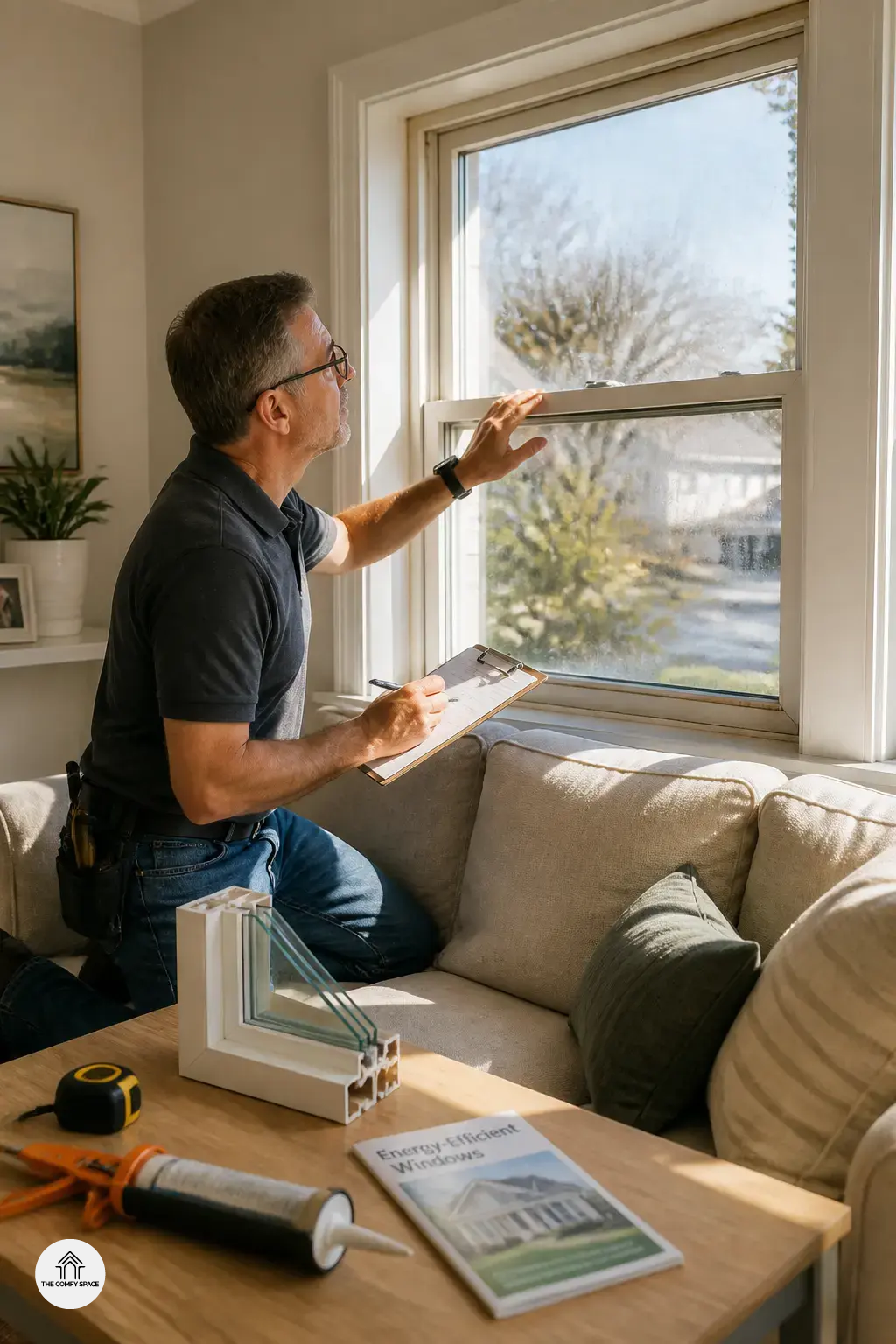
Start where the pain is loudest. Walk room to room and notice which spots feel drafty, stuffy, or weirdly hot by noon. I once spent ages comparing window styles, only to realize the real problem was one cranky old window above the sofa. “Fix the biggest leaks first,” says energy consultant Maria Lopez. That one rule can save you from blowing cash on the wrong thing.
- Check for foggy glass, cracked seals, and frames that stick like they are in a bad mood.
- Then put your budget on the worst offenders first. It is a lot smarter than replacing every window at once, especially after a grocery run at Home Depot when the sticker shock hits.
Choose Cost-Effective Window Materials
Choosing the right frame material can save you a lot of cash before the windows even arrive. I once got dazzled by a fancy wood-clad sample at the store, then remembered my wallet was not on board. Compare vinyl, fiberglass, and wood-clad options for price and performance, and be honest about your climate and your patience for upkeep. As one contractor told me,
“The best window is the one that works for your house, not just your mood board.”
Start simple. If you want lower maintenance, vinyl often keeps life easy. If you need more strength, fiberglass can be worth it. Avoid overspending on looks when a cleaner frame will do the job well. I learned that the hard way after a shiny upgrade looked great but barely helped my energy bill. Shopping smart at familiar stores and asking for quotes can make a big difference.
Understand the Energy Ratings Before Buying
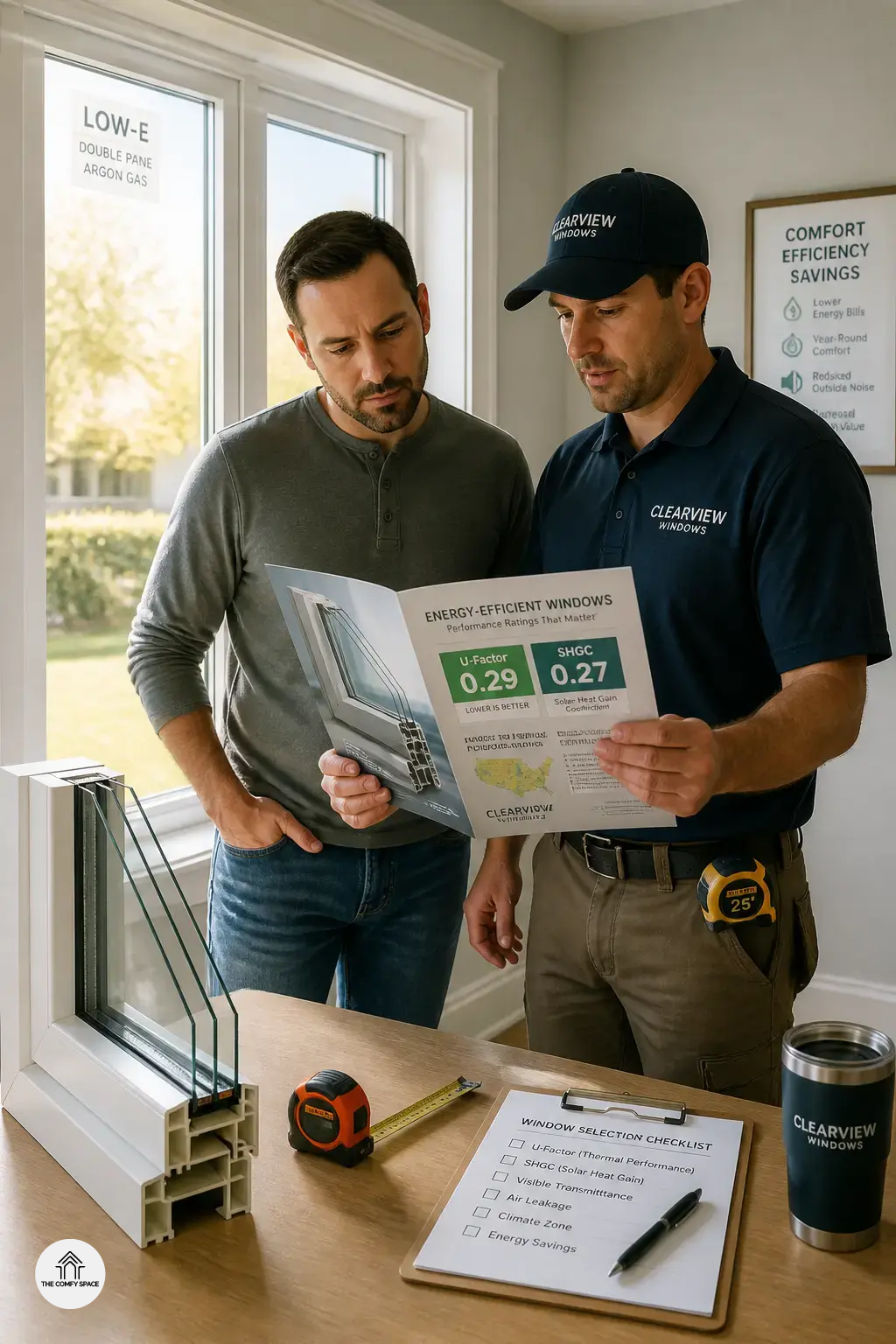
Before you buy, get friendly with the energy labels. U-factor tells you how well a window keeps heat in, SHGC shows how much solar heat sneaks through, and Low-E glass helps manage both. I once grabbed the “best” deal at a big box store and later realized it was better for a snowy cabin than my sunny kitchen. Oops.
- Match the ratings to your local weather, not the shiny sales pitch.
- Double-check labels so you do not pay extra for features you will never notice.
“The right window is the one that suits the climate, not the commercial,” says energy auditor Mark Ellis.
Save Money with the Right Installation Plan
Saving money on energy-efficient windows starts with the right plan, not a panic-buy at the hardware store. I learned that the hard way after guessing my window type and ending up with a measuring tape, two coffees, and zero confidence. First, choose wisely:
- Decide between full-frame replacement and insert replacement based on your existing windows.
- Hire a pro for the tricky parts if DIY feels like a recipe for a late-night regret sandwich.
- Get multiple quotes and ask what is included before signing anything.
“A smart installation is where the real savings begin,” says contractor Lena Ortiz. That quote stuck with me. Compare prices, but also compare what’s missing. A cheap quote can turn pricey fast if trim, disposal, or sealing is extra. If you shop around like you would at Home Depot or Lowe’s, you’ll spot the real deal without the drama.
Use Rebates, Tax Credits, and Seasonal Discounts
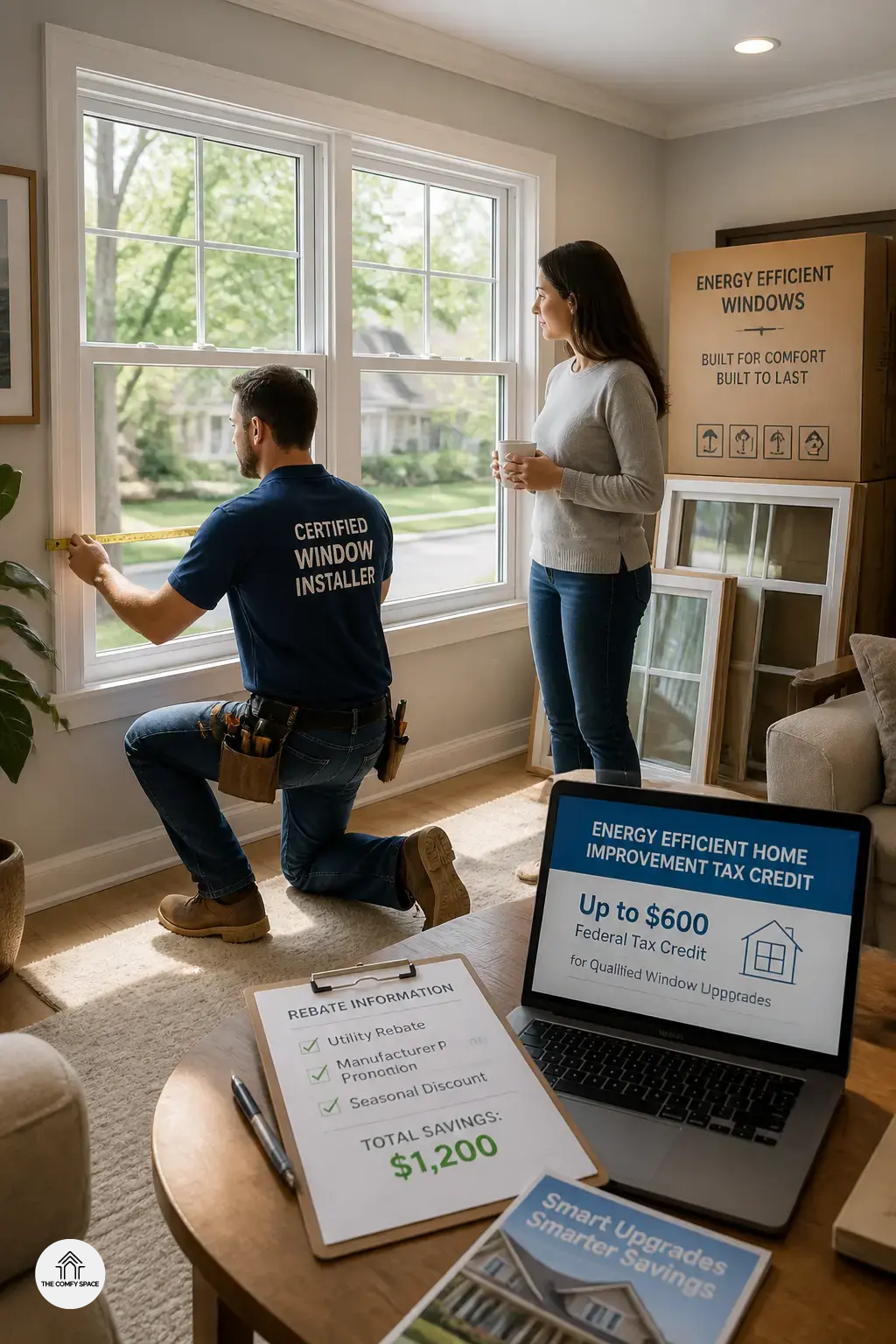
When I first looked into new windows, I almost paid full price like a rookie. Then I found rebates, tax credits, and those sneaky seasonal deals that make a big difference. A good trick is to
- search for local energy rebates and federal tax incentives before you buy
- ask home improvement stores and window suppliers about off-season promotions
- time your project well to avoid peak-season prices at big-box stores
“The best savings often hide in the paperwork and the calendar,” says a home energy consultant. Honestly, that hit home. I saved more by waiting until late fall than by chasing fancy add-ons. If you shop smart, you can install energy-efficient windows without turning your budget into a horror story.
Avoid the Common Budget-Killing Mistakes
When I first tackled window upgrades, I thought the glass was the big deal. Nope. The real budget-killer was the messy little stuff around the frame. If you skip sealing and insulation, you can end up paying more on heating and cooling, which is basically lighting money on fire. “Small gaps can undo a big investment,” says home energy consultant Mark Ellis.
Also, measure twice. Then measure again. I once saw a friend buy the wrong size from a big-box store and spend a weekend doing a return lap that felt longer than the install itself. Keep it simple:
- Seal the frame properly
- Measure carefully before ordering
- Skip flashy add-ons that do not boost comfort
That way, you get efficiency without the extra drama.