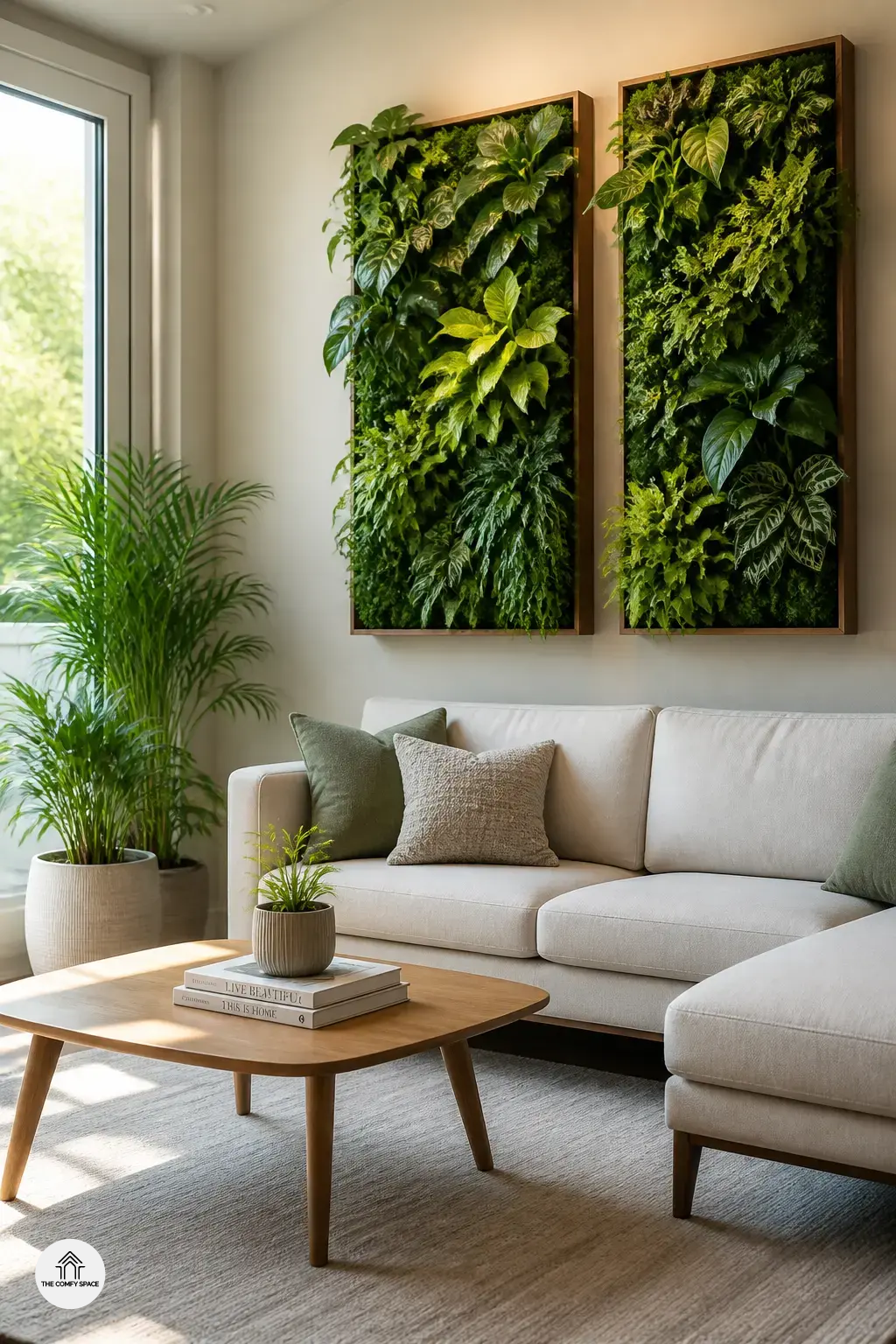
Living walls and indoor vertical gardens are basically plants that climb up your wall instead of hogging your floor. Simple idea, big payoff. They’re trending because they make a room feel fresher, softer, and a little less like you forgot to decorate after moving in. I once bought “just one plant” at a familiar big-box store and ended up with a whole corner jungle. As designer Nina Patel says, “greenery changes the mood before you even notice it.”
They work especially well in small apartments, busy homes, and awkward spaces that never seem useful. A vertical garden can turn a blank wall into something lively without cluttering the room. Start with easy-care plants, bright light, and a sturdy frame. The trick is not perfection. It’s keeping it simple so your plants survive your real life, not some fantasy version of it.
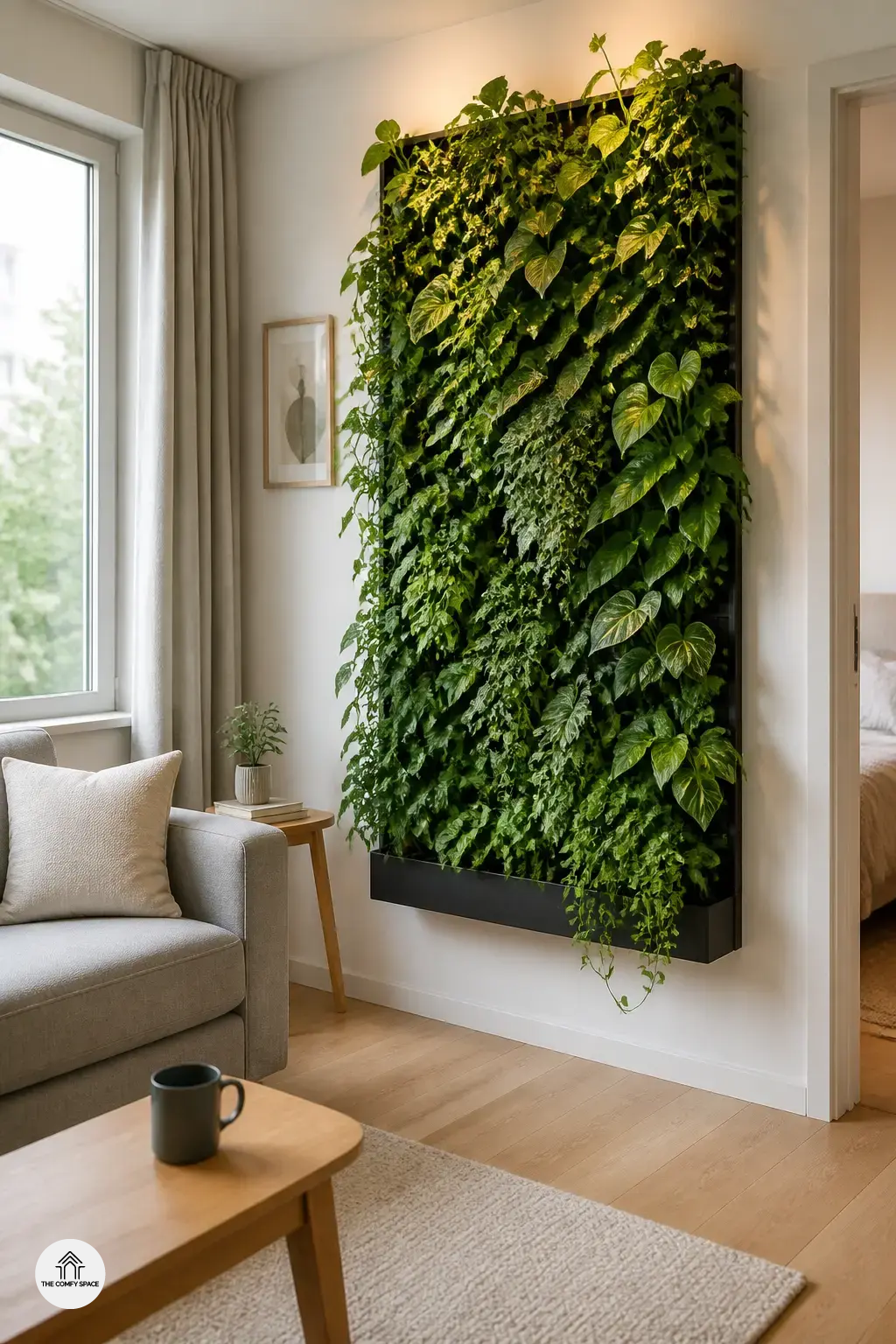
Why More Homeowners Are Choosing Vertical Greenery
More homeowners are choosing vertical greenery because it solves a very real problem: where do you put plants when the floor is already full of chairs, baskets, and that one random lamp you swear you need? A living wall slips in like a clever little design hack. It adds color, texture, and life without stealing space. Even a tiny apartment can feel softer and more inviting with one. As designer Sarah Barnard says,
“Plants make a room feel less staged and more lived-in.”
There is also the mood boost. I once bought three plants at a big-box store, forgot to check the light, and learned very fast that not every leafy friend is low-maintenance. Still, the payoff is worth it. Vertical gardens feel personal, calming, and a little bit joyful. Start small with easy-care plants, and let the wall grow with you.
Best Rooms for a Living Wall at Home
When you’re figuring out the best rooms for a living wall at home, start with the easy wins: living rooms, kitchens, and entryways. These spots give your vertical garden plenty of visibility, and honestly, they make the whole house feel a little fancier without trying too hard. I once placed mine near a sunny window and learned the hard way that “bright” can quickly become “crispy.” As designer Mia Carter says,
“Choose the wall that supports the plant, not the wall that just looks pretty.”
Bathrooms and home offices can also be great. Humidity helps many plants, and a leafy wall near your desk can make Monday feel less rude. Just avoid common mistakes like direct afternoon sun or awkward corners where air gets trapped. If you’re shopping at IKEA or Home Depot, grab a few easy-care plants first. Small wins make the whole project feel doable, not like a jungle emergency.
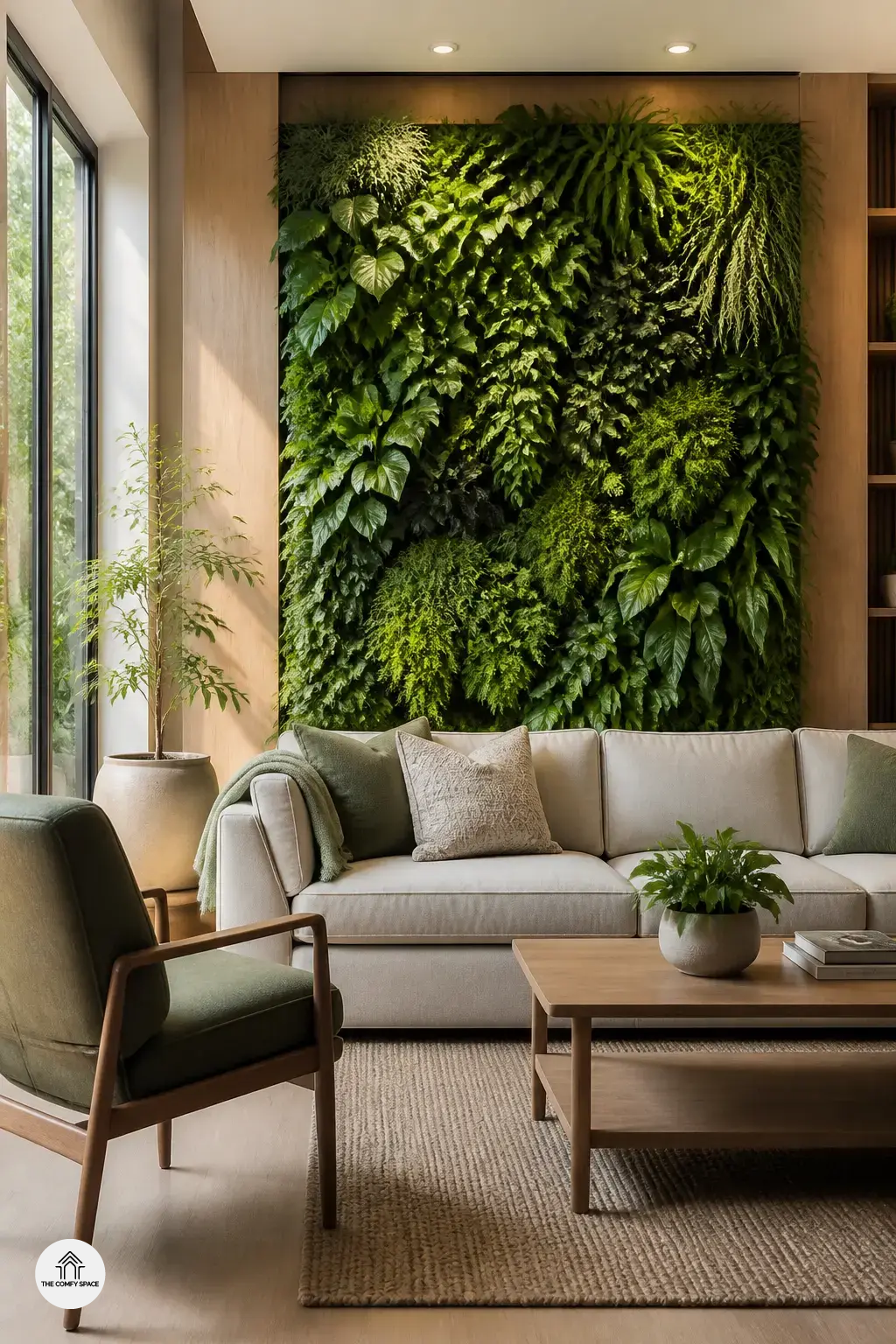
Plant Choices That Actually Work Indoors
Choosing plants for a living wall sounds dreamy until you bring home a gorgeous one from the store and it starts sulking in your living room. Been there. The trick is to pick easy-care stars like pothos, ferns, philodendrons, and even herbs if your kitchen gets decent light. “The best indoor vertical gardens start with the right plant in the right place,” says interior plant designer Mara Ellis.
Check light, humidity, and how much care you can actually give on a busy Tuesday. A fern may love a steamy bathroom, while pothos is happier almost anywhere. Start small, learn what survives, and don’t feel bad if one plant turns dramatic. We all make that mistake at the garden center near the checkout line.
Design Ideas for a Stylish Vertical Garden
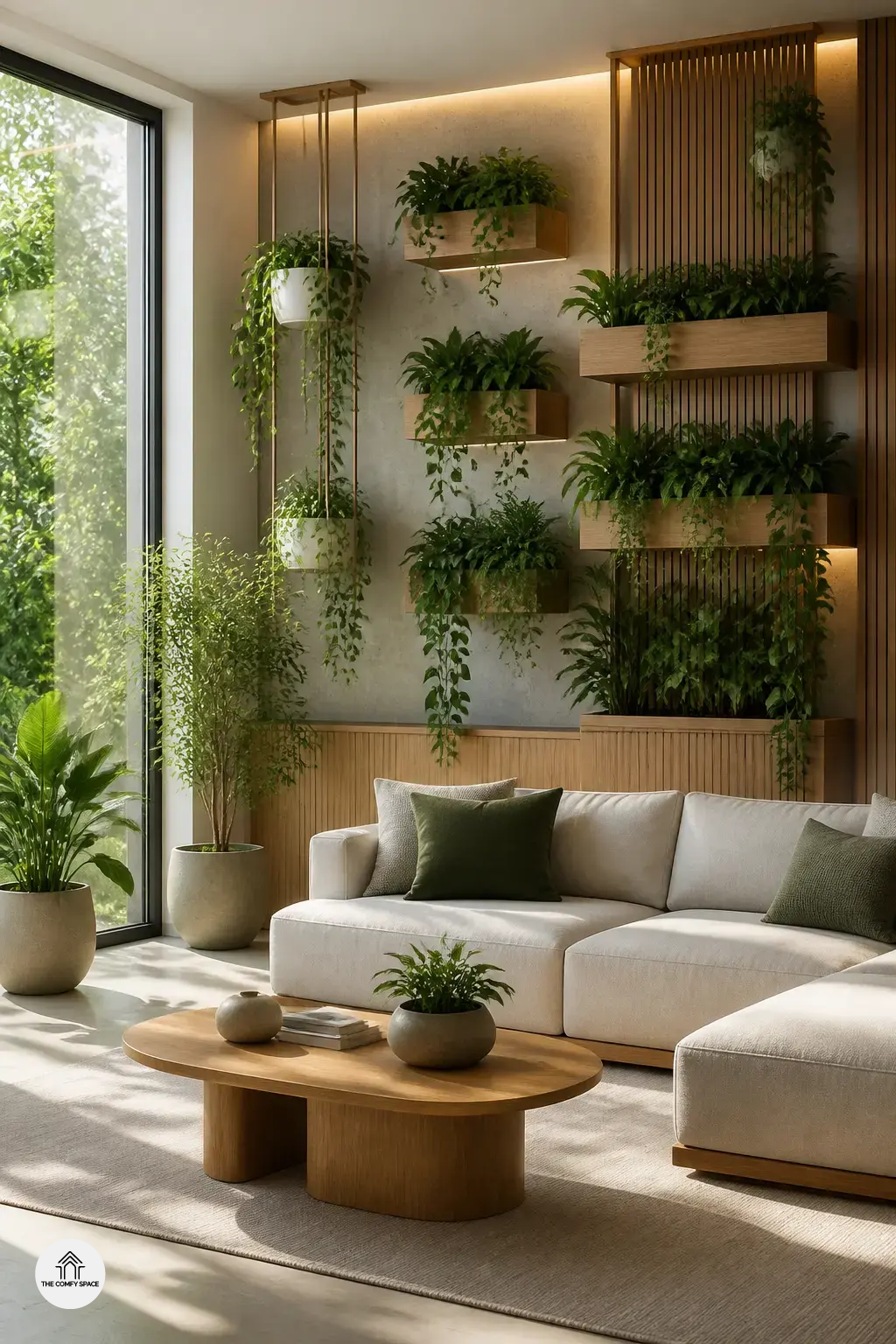
A stylish vertical garden should feel like part of the room, not a random plant explosion. If your home leans modern, go clean and simple. If it feels more cozy rustic, try wood tones and softer greenery. I once grabbed too many tiny pots from a big-box store and ended up with a wall that looked a bit like a confused jungle. Lesson learned: start with one clear style.
For flexibility, try
- shelves
- modular panels
- hanging systems
so you can switch things around without a headache. “Good design gives plants room to breathe,” interior designer Maya Chen says. Mix texture, color, and repeated shapes to create visual rhythm. That way, the wall feels intentional, even on busy days when watering feels like one more chore.
How to Maintain an Indoor Living Wall Without Stress
Keeping an indoor living wall happy does not have to feel like a second job. Start with simple habits: check moisture before watering, trim leggy growth, and wipe dust off leaves so they can breathe.
“Consistency beats perfection in plant care,” interior plant designer Mara Ellis says.
I learned that the hard way after overwatering a fern and turning it into a very sad, very expensive puddle.
For busy homeowners, choose bright spots near windows and use easy drip irrigation or self-watering systems. A timer helps when life gets messy, which it always does. Also, do not buy ten plants on a whim at the garden center. I have tried that. The result was chaos, not a jungle. Start small, learn each plant’s needs, and your vertical garden will stay lush without the stress.
Living Walls as a Long-Term Home Investment
Living walls are one of those home upgrades that look fancy, but they also earn their keep. A vertical garden can boost visual appeal, soften a plain wall, and make a room feel calmer in a way that a big lamp just can’t. As designer Mia Torres says,
“A green wall should feel like part of the room, not a science project.”
That’s the sweet spot.
It also helps to shop smart. I once grabbed the wrong planters at a familiar big-box store, and let’s just say the water situation got dramatic fast. Start with simple frames, low-maintenance plants, and a budget list before you wander the aisles. That way, your indoor vertical garden feels decorative and functional without turning into an expensive weekend regret.