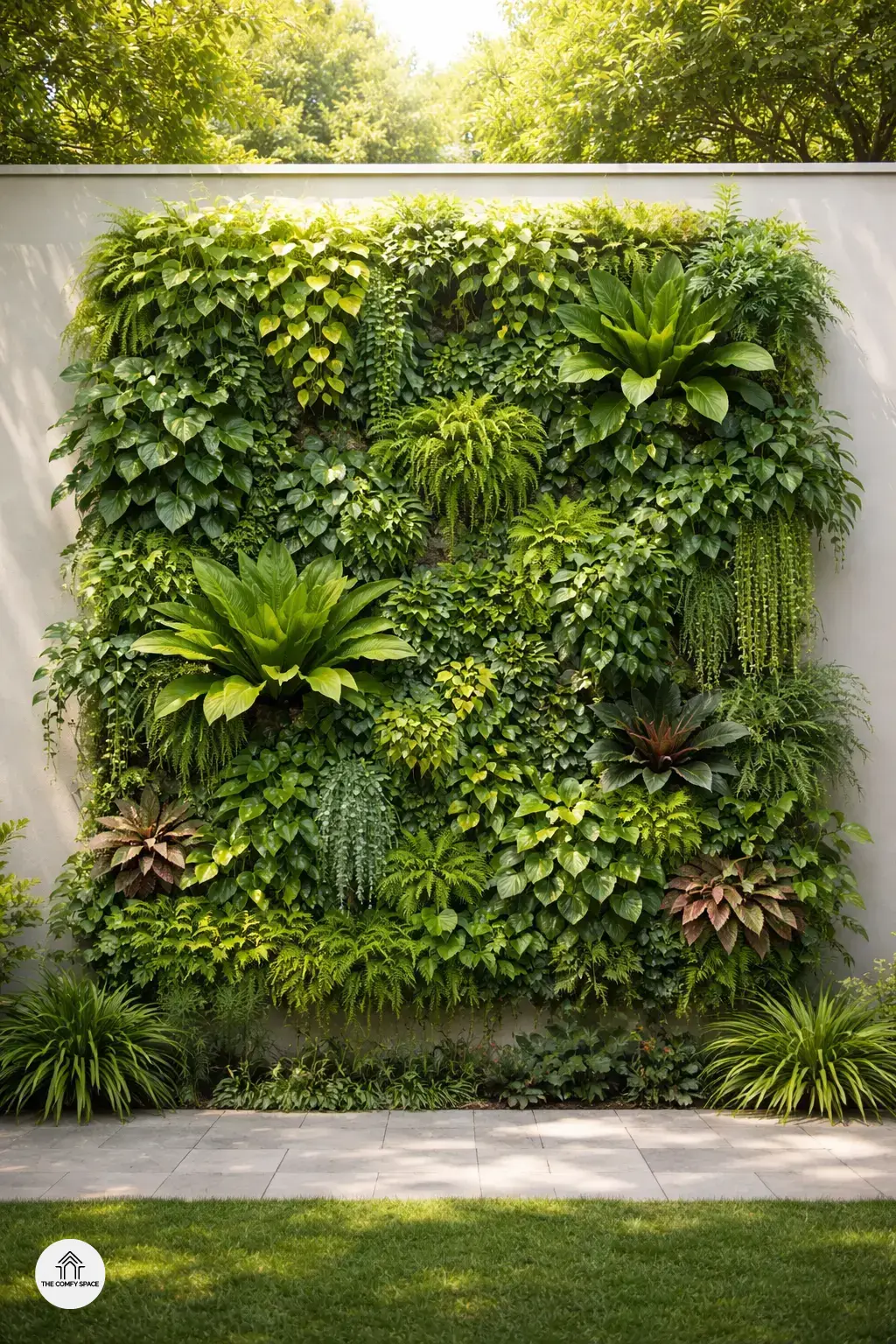
If your backyard feels more like a cramped storage area than a relaxing green oasis, vertical gardens might be your new best friend. Vertical gardens save space and add lush greenery without the need for sprawling lawns or oversized planter boxes. They’re perfect for small balconies and tight patios where every inch counts. I remember struggling with limited space myself, trying to cram too many potted plants into a tiny balcony. Vertical planting was a real game-changer!
Maintenance is simpler than you’d think. Easy to maintain and visually stunning, vertical gardens can turn any dull wall into a vibrant masterpiece. Urban gardening expert, Mia Johnson, says,
“Vertical gardens transform even the smallest spots into living, breathing spaces full of life and color.”
So, if you’ve battled overgrown plants or lack of space, this method could breathe new life into your outdoor areas with minimal fuss and tons of charm.
Choosing the Right Plants for Your Vertical Garden
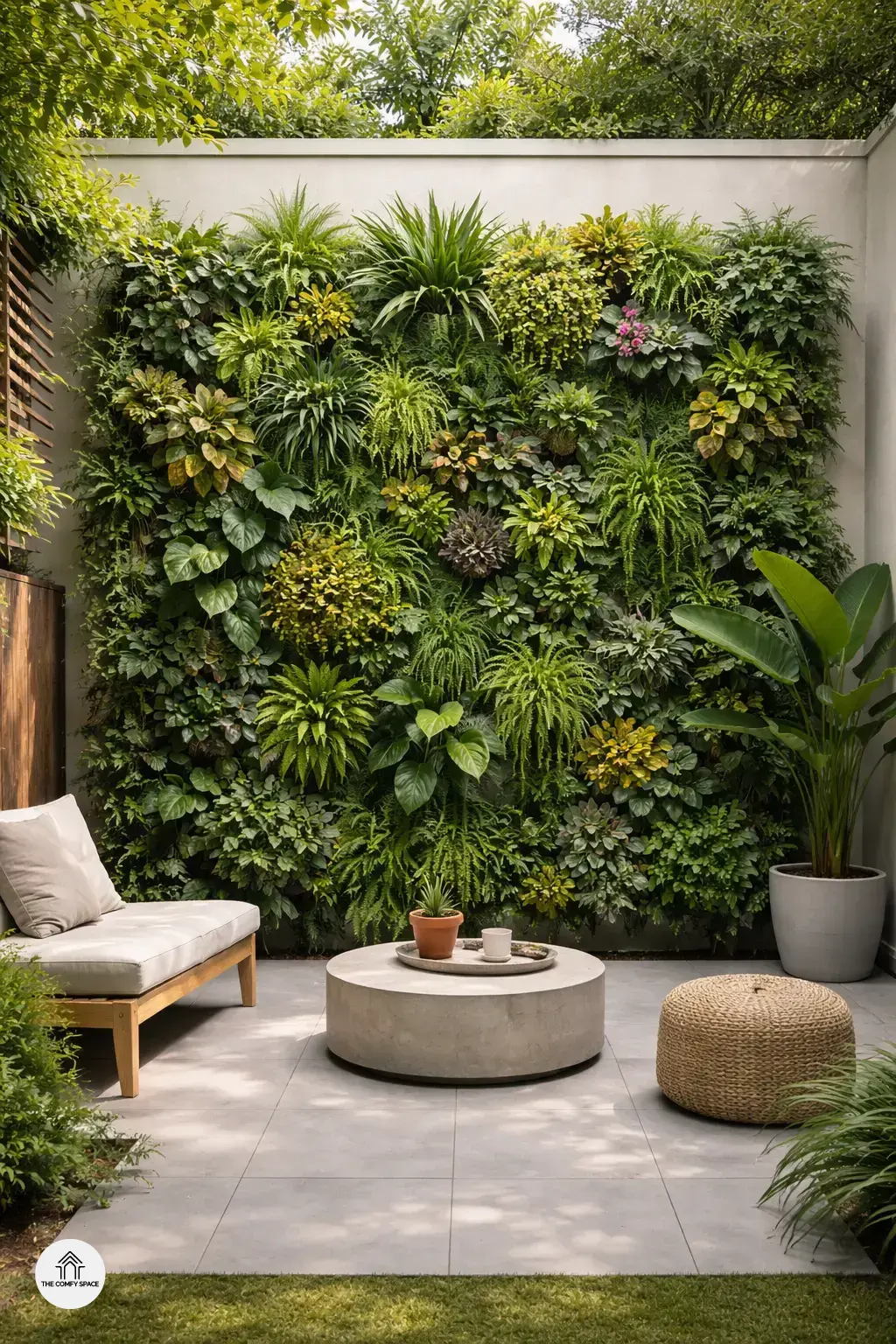
Choosing the right plants for your vertical garden is key to making your outdoor space thrive. It’s not just about picking pretty plants; you need to consider sunlight and your local climate. For example, if your backyard is mostly shaded, ferns and some flowering plants thrive better there. On the other hand, succulents love basking in full sun! “Understanding your plant’s natural environment helps them thrive with less fuss,” gardening expert Amy Green says. When I first started, I mistakenly placed sun-loving plants in shade—lesson learned!
Also, remember that vertical gardens require lightweight soil to avoid stressing your structure. Good drainage keeps roots happy and prevents rot. Mixing succulents, ferns, and flowering plants adds texture and color variety, making your garden lively year-round. Try experimenting with different combinations—after all, gardening is as much a fun adventure as it is a hobby!
Creative Vertical Garden DIY Ideas
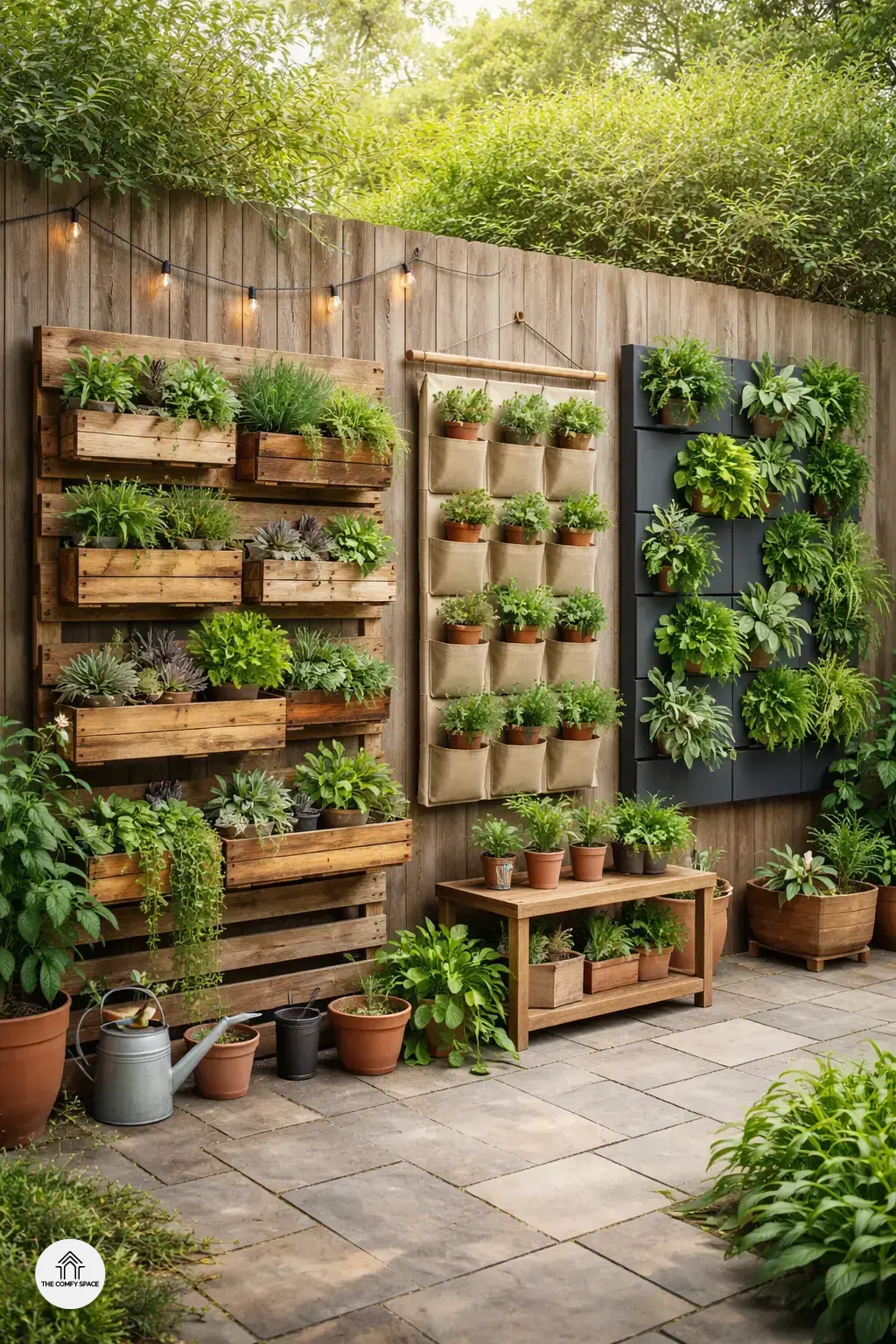
Repurposing old pallets and wooden crates for your vertical garden is a fantastic way to add rustic charm and eco-friendliness to your backyard. Not only does this method save money, but it also gives new life to materials you might find at your local hardware or gardening store. Beginners often underestimate how heavy pallets can get when watered, so secure them properly to avoid a tumble—”Stability is key,” garden expert Linda Greer says. Plus, these palettes offer plenty of pockets for planting herbs or succulents, creating a lush tapestry.
Another clever DIY hack is using hanging shoe organizers for small pots; it’s perfect for limited spaces or balconies. They keep plants organized, and watering becomes a breeze. For those craving a more polished look, modular living wall panels offer flexibility and ease in design. Just be warned: assembling these panels can get addictive, and you might find yourself rearranging plants late into the night! Overall, get creative — vertical gardens are great for experimenting and turning ordinary spaces extraordinary.
Common Mistakes and How to Avoid Them
One of the biggest challenges when creating vertical gardens is overwatering. It’s easy to get excited and shower your plants with love, but too much water can lead to root rot. Remember, vertical gardens drain faster, so less is often more. As landscape designer Jane Doe says,
“Overwatering is the silent enemy of vertical gardens; let the soil dry a bit between watering.”
Another classic rookie mistake is forgetting to secure your garden properly. Vertical gardens can be heavy once they soak up water. Ensure you use sturdy supports and anchors to prevent any collapse, which could turn your green paradise into a green disaster! And one more tip: don’t crowd your plants. Like people, plants need their breathing room. Overcrowding can stunt growth and lead to competition for nutrients. I learned this the hard way after squeezing in too many herbs on a tiny panel at Home Depot!
Maintaining Your Vertical Garden Year-Round
Keeping your vertical garden thriving throughout the year can feel like a juggling act, but trust me, it’s worth it. One of the biggest rookie mistakes I made was neglecting regular pruning. Dead leaves tend to pile up quickly and can make your garden look more ‘forgotten corner’ than ‘Instagram-worthy oasis.’ Regularly prune and remove dead leaves to keep things fresh and healthy. It’s a bit like giving your plants a haircut—they’ll thank you for it with vibrant growth.
Another key tip is to check moisture levels frequently. Vertical gardens dry out faster than traditional beds, so your plants might get thirsty sooner than you’d expect. If you can, rotate plants occasionally for even sunlight exposure; it’s surprising how much difference this simple trick makes. As designer Anna Green says,
“Rotating plants ensures they all get their fair share of sunshine, preventing unsightly leaning or uneven growth.”
It’s a small effort that pays big dividends!