
Warm minimalism might sound like an oxymoron, but trust me, it’s a game-changer in home decor. Think cozy vibes meeting clean lines—it’s all about creating spaces that feel inviting without the clutter. As an architect who’s wrestled with the cold sterility of pure minimalism, I’ve learned that warmth is the secret ingredient that transforms a room from ‘meh’ to ‘wow.’
Balancing warmth and simplicity is like brewing the perfect cup of tea: too bitter or too bland just won’t do. This combination keeps your space grounded and cozy, without drowning in stuff. Stay tuned for some hands-on tips and, yes, a few funny tales of my own decorating blunders—because let’s be honest, who hasn’t accidentally bought the wrong shade of couch or struggled to find the right lighting?
Understanding Warm Minimalism
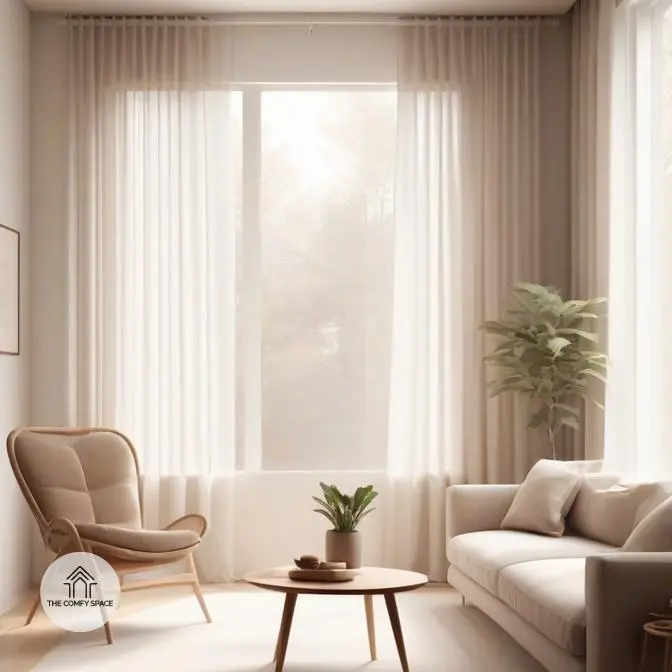
Warm minimalism is like the cozy sweater of interior design—simple, clean lines that don’t shout but still hug you with comfort. It’s about blending minimalistic spaces with soft, tactile touches that make a room feel alive yet calm. Think of it as decluttering your space but keeping the soul, like that wooden coffee table you snagged from a local shop or your favorite linen cushions that invite you to sink in after a long day.
Choosing natural materials like wood and linen isn’t just a style choice; it’s a way to bring the outdoors inside. According to interior designer Mia Harris, “Natural textures connect us to the earth, grounding minimalism with warmth.” Using gentle, earthy colors like soft beiges, muted greens, or warm greys creates a soothing palette that’s easy on the eyes and comforting. Next time you’re at the store, resist the flashy décor and look for those subtle, natural touches—they’re the real stars of warm minimalism.
Choosing the Right Color Palette
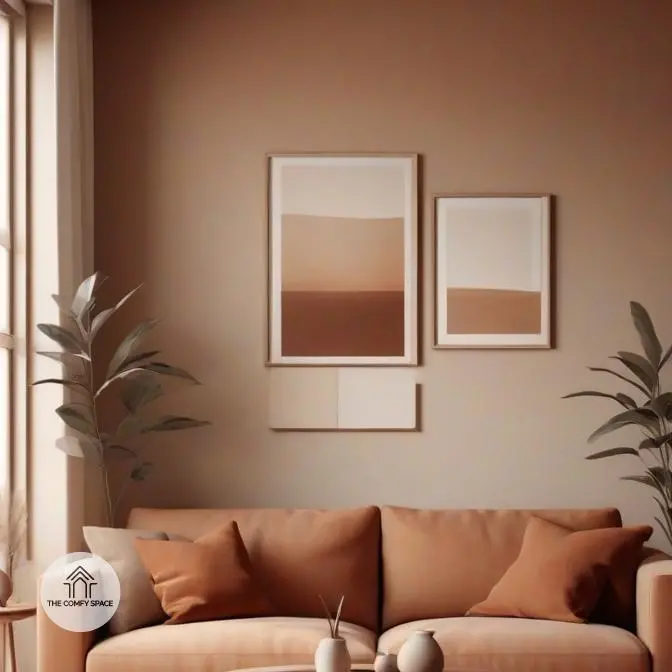
Choosing the right color palette can make or break your home’s vibe. Muted tones like beige, soft browns, and creams create a cozy, warm base that feels inviting and timeless. I learned this the hard way after a few “what was I thinking” moments with overly bold walls that felt more like a headache than a haven. Here’s a quick tip: start with these neutral tones for your larger surfaces like walls and sofas – it sets a calm backdrop that welcomes you home.
Adding accents in rust or terracotta brings in a lovely, earthy richness without overwhelming the senses. Professional designer Anna James says,
“Warm, soft colors invite comfort and subtle elegance in any space.”
Avoid abrupt contrasts; instead, aim for smooth transitions to keep things relaxed and balanced. You’ll save yourself the struggle of repainting after a few restless nights!
Furniture and Layout Tips
Choosing the right furniture can feel like navigating a maze, especially when you want style and function without the clutter. Aim for multipurpose pieces—like a sofa bed or an ottoman with storage—so you get the most bang for your buck and space. Cozy fabrics add warmth but keep it simple to avoid turning your room into a mishmash of textures.
When arranging your furniture, think open but inviting. Avoid crowding every inch; too much stuff can lead to what I call “clutter stress”—yeah, it’s a real thing! Give your room some breathing room, and trust me, your mind will thank you. “Simplicity in layout makes for maximum comfort,” interior designer Lucy Harrington says. So, keep it neat and chill.
Incorporating Textures and Accessories
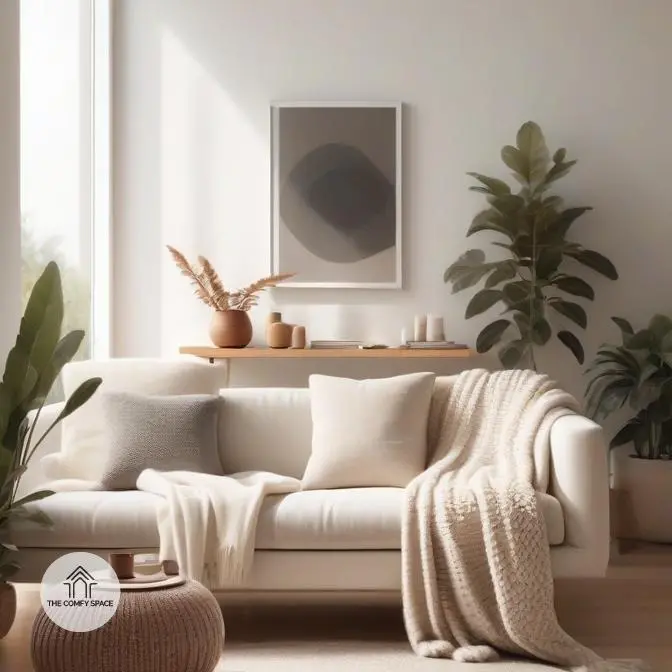
When it comes to creating a cozy and inviting space, layering textures can work wonders. Think plush throws that make you want to curl up with a book, knitted cushions that add a touch of handmade charm, and woven rugs that ground the room with warmth. Adding these elements isn’t just about looks; they bring in comfort and personality, transforming a simple room into a sanctuary. I remember the first time I mixed textures—it was like giving my living room a much-needed hug after a long day.
Natural décor, such as vibrant plants and carefully chosen ceramics, bring life and a sense of calmness to your environment. But here’s the catch: less is more. Avoid drowning your space in clutter by keeping accessories minimal and meaningful. “Accessories should tell your story,” interior designer Jenna Smith says, “not shout it from the rooftops.” So, pick pieces that speak to you and make your space truly yours.
Common Mistakes and How to Avoid Them
Minimalism is great until your home starts feeling like an icebox—trust me, I’ve been there! Avoid that cold, sterile vibe by mixing in cozy textures like soft throws, warm wood tones, or even a plush rug. It’s like adding a friendly hug to your space. Remember, a super sleek space doesn’t have to mean uncomfortable or uninviting.
Oh, and the classic pitfall: buying too much ‘minimal’ stuff that ironically clutters your room. I once got caught up in this myself. Lesson learned? Less is definitely more! Stick to a few meaningful pieces, and let the space breathe. As interior guru Jane Smith says,
“Minimalism isn’t about empty rooms, it’s about intentional living.”