
Start with the basics and the whole “eco-friendly furniture” thing gets a lot less confusing. I used to grab the prettiest chair on sale and call it a day. Big mistake. Now I check for low-impact materials like FSC-certified wood, bamboo, cork, or reclaimed timber. As interior designer Sarah Gibson says, “Good design should last longer than the trend cycle.”
Also, look for non-toxic finishes, low-VOC adhesives, and safer upholstery options. Your home should not smell like a chemistry class. And honestly, choose pieces made to last, because the greenest chair is the one you do not replace every two years. That’s where style and sustainability finally stop arguing like siblings.
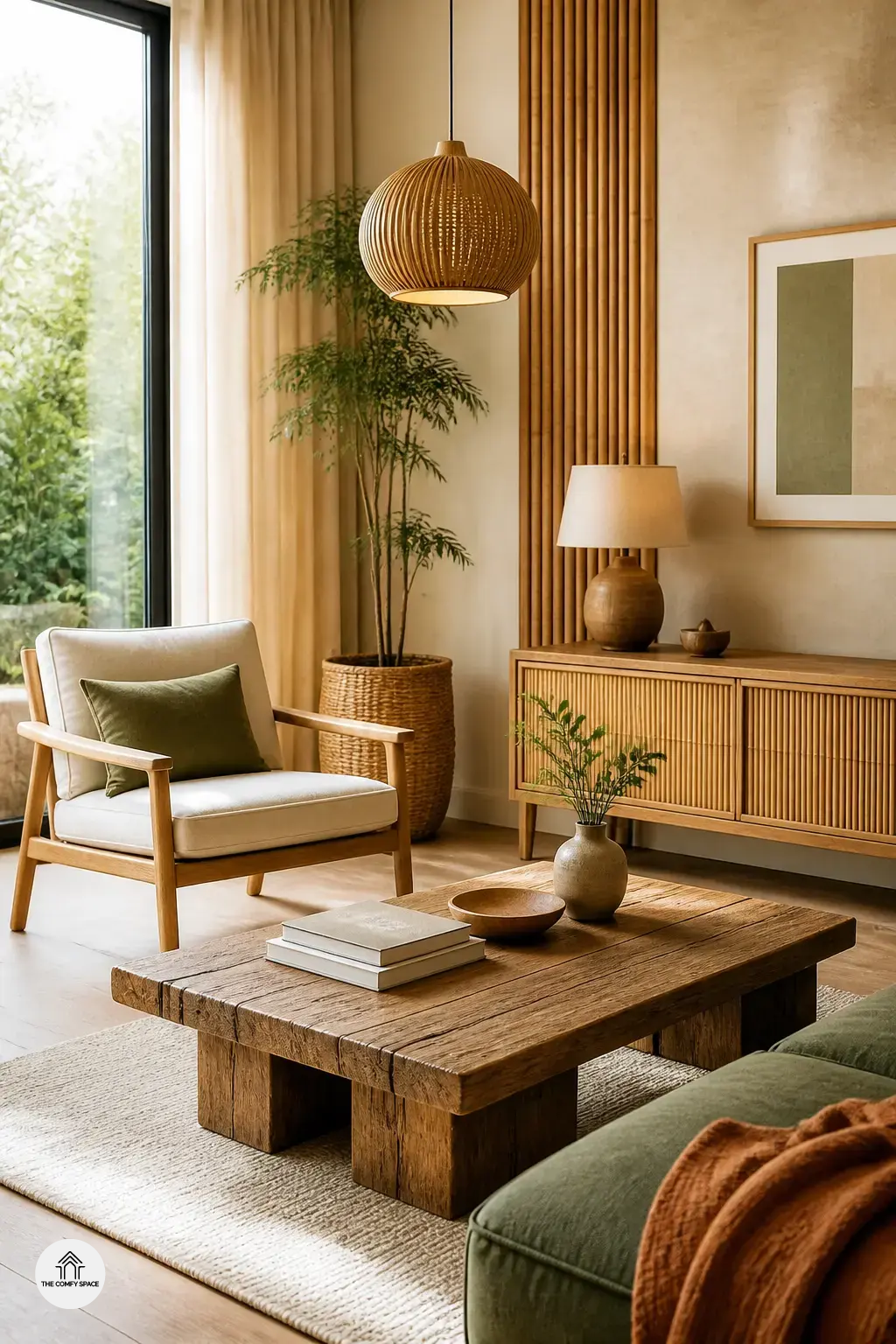
Best Sustainable Materials to Look for When Shopping
When I started shopping for eco-friendly furniture, I made the classic mistake of falling for pretty labels and forgetting to check the actual materials. Oops. A better move is to look for solid wood from certified forests, because it lasts, looks timeless, and ages with a little charm. Bamboo and rattan are also smart picks. They grow fast and bring that airy, relaxed vibe that makes a room feel less “showroom” and more “I live here.”
Don’t skip recycled metal, glass, and natural fibers either. They can add texture and style without the guilt trip. As designer Nina Campbell says,
“Good design should feel effortless, but it should also last.”
That’s the sweet spot. When I finally swapped a flimsy side table for a recycled-material piece, my whole space felt calmer. A small win, but hey, sustainability loves a good upgrade.
How to Spot Greenwashing Before You Buy
Greenwashing can sneak into a shopping trip faster than a “just browsing” visit turns into a cart full of regret. I once almost bought a couch because it said “natural vibes” on the tag. Cute, right? Not helpful. Look for real proof, not fluffy words. As design expert Sarah Miller says, “Sustainability should be visible in the details, not just the marketing.”
- Ask where the material comes from.
- Check for certifications and sourcing details.
- If the label feels shiny and the answers feel slippery, walk away.
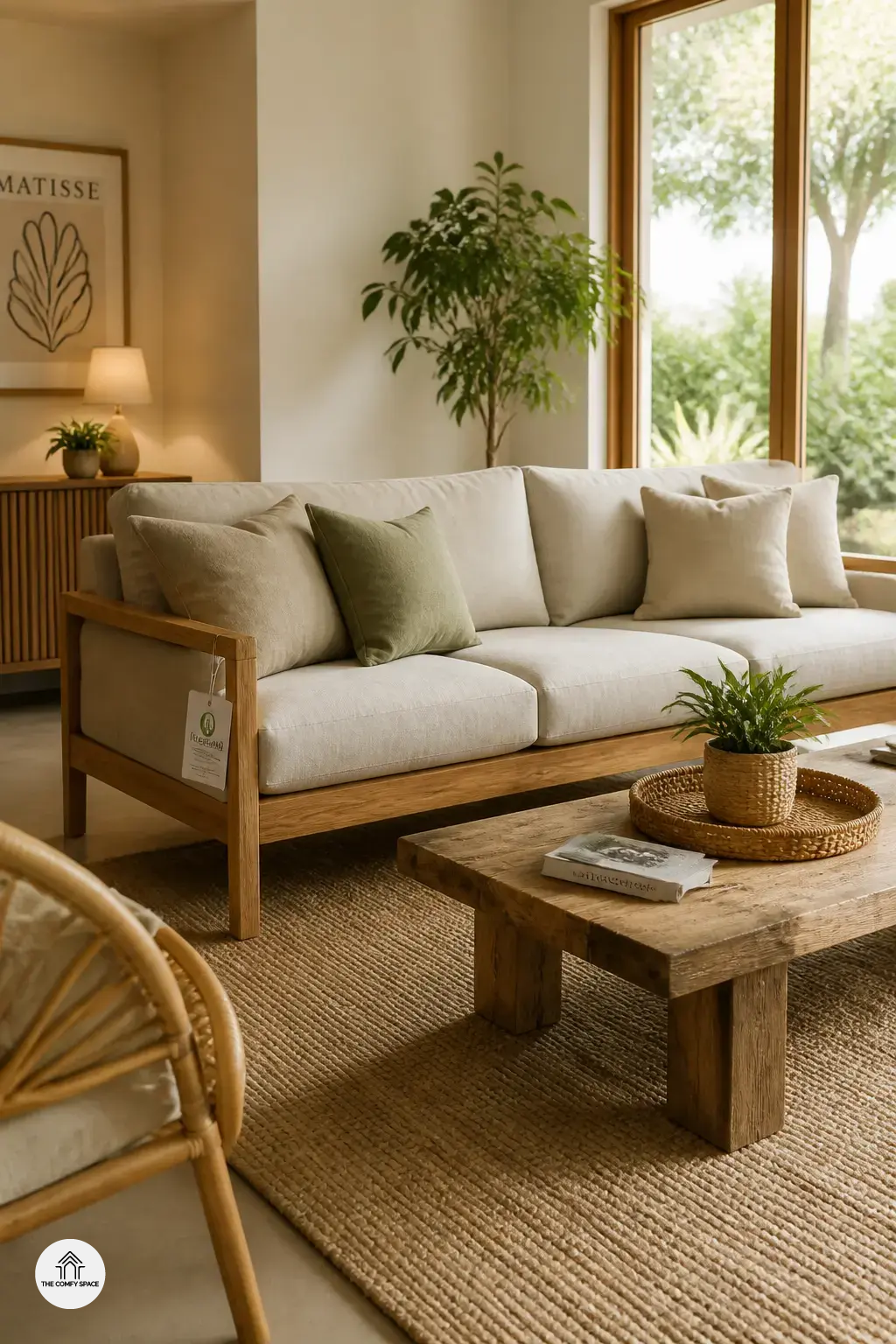
Choosing Furniture That Fits Real Life, Not Just Pinterest
Choosing eco-friendly furniture starts with real life, not a dreamy showroom vibe. I learned that the hard way after buying a cute chair that looked amazing until my dog claimed it and a latte met the armrest. Suddenly, style had to survive actual living. As designer Ilana Harris says, “Good design should make life easier, not more fragile.”
So think about your daily habits, kids, pets, spills, and all the chaos that comes with actual living. Pick finishes and fabrics that can handle wear without demanding constant babysitting. A pretty piece that cannot survive one coffee spill is not really sustainable for most homes. A quick trip to familiar stores can help, but check labels, test textures, and choose pieces you will still love after the first mess.
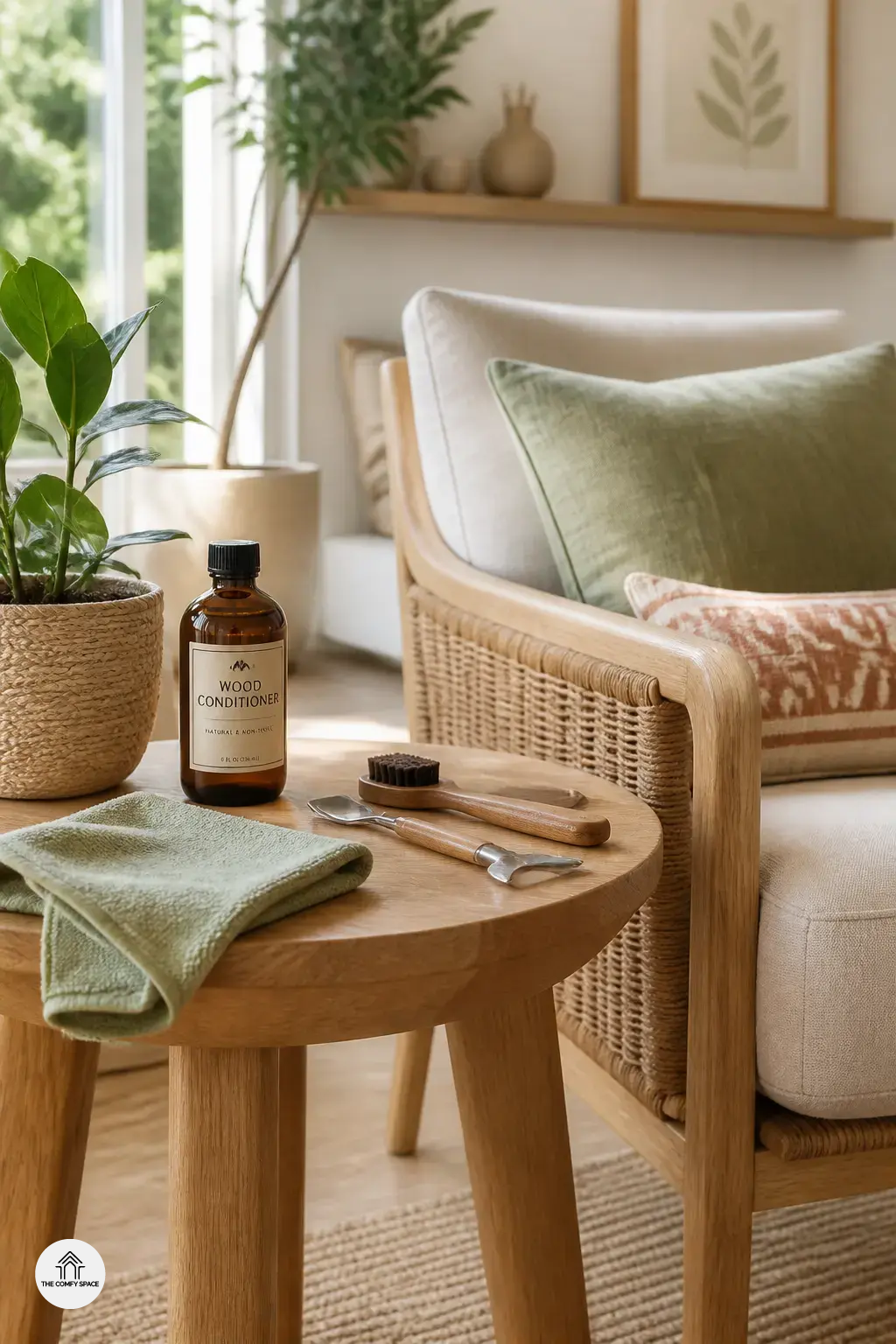
Simple Maintenance Tips to Make Eco-Friendly Furniture Last
Eco-friendly furniture looks amazing, but it still needs a little TLC if you want it to last. I learned that the hard way after using one “all-purpose” cleaner from a big-box store on a lovely wooden side table. Oops. The finish hated me for it. Now I keep things simple and gentle.
Try this easy routine:
- Dust wood regularly with a soft cloth and skip harsh cleaners that strip the finish.
- Use natural oils or a safe conditioner only when the maker recommends it.
- Rotate cushions, tighten joints, and fix tiny scratches early.
“Small habits protect the life of the piece,” says furniture restorer Ana Lopez.
That little upkeep saves money, stress, and one very awkward trip back to the store.
Common Mistakes People Make When Buying Sustainable Furniture
One of the easiest traps is buying fast because something is labeled “green.” I once did that at a big home store and ended up with a chair that looked lovely, but felt like a budget regret. A real designer, Maya Lin, says, “Good design should be both useful and beautiful.” That matters here. Before you click buy, check the size, price, and whether it actually fits your messy, real-life room.
Another classic mistake is falling for delicate materials that behave like they live in a museum. Pretty, yes. Practical, not always. And then there’s the sneaky one: skipping care instructions. That’s how “low-maintenance” becomes weekend drama. Try this instead:
- Read the cleaning guide before checkout.
- Choose durable finishes for daily use.
- Match the material to your lifestyle, not just the showroom vibe.