
Indoor plants feel seasonal changes more than we think, especially near windows and vents. I learned the hard way that one watering routine does not fit every month. In winter, my pothos turned dramatic, and in summer, my fern acted like it lived at the beach. As horticulturist Linda Chalker-Scott says, “Plants respond to their environment, not our calendars.”
A small care reset each season can prevent yellow leaves, crispy tips, and sad-looking pots. Check light, adjust watering, and move plants away from sneaky drafts. I also like to inspect leaves while shopping at a familiar store for fresh soil or a new pot. Little habits like these keep houseplants happier and your home feeling fresher, greener, and just a bit more alive.
How to Adjust Watering When the Weather Changes
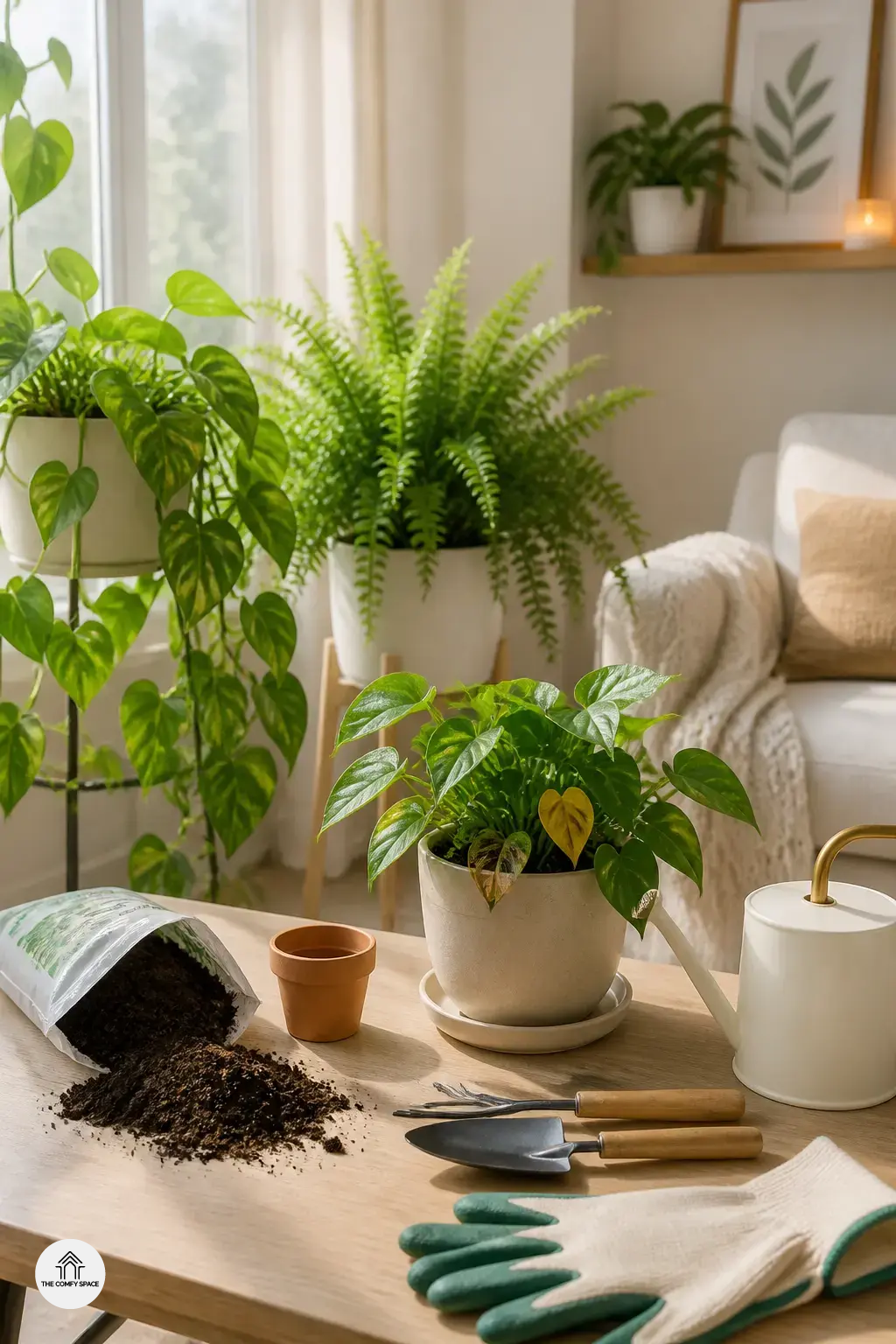
When the weather shifts, your watering routine should shift too. I learned this the hard way after overwatering a pothos in winter and ending up with sad, mushy roots. In colder months, most houseplants need less water because growth slows down. So, give the soil a little break and don’t rush in with the watering can like it is a fire drill.
In warmer seasons, check the soil more often since sunlight and heat dry pots faster.
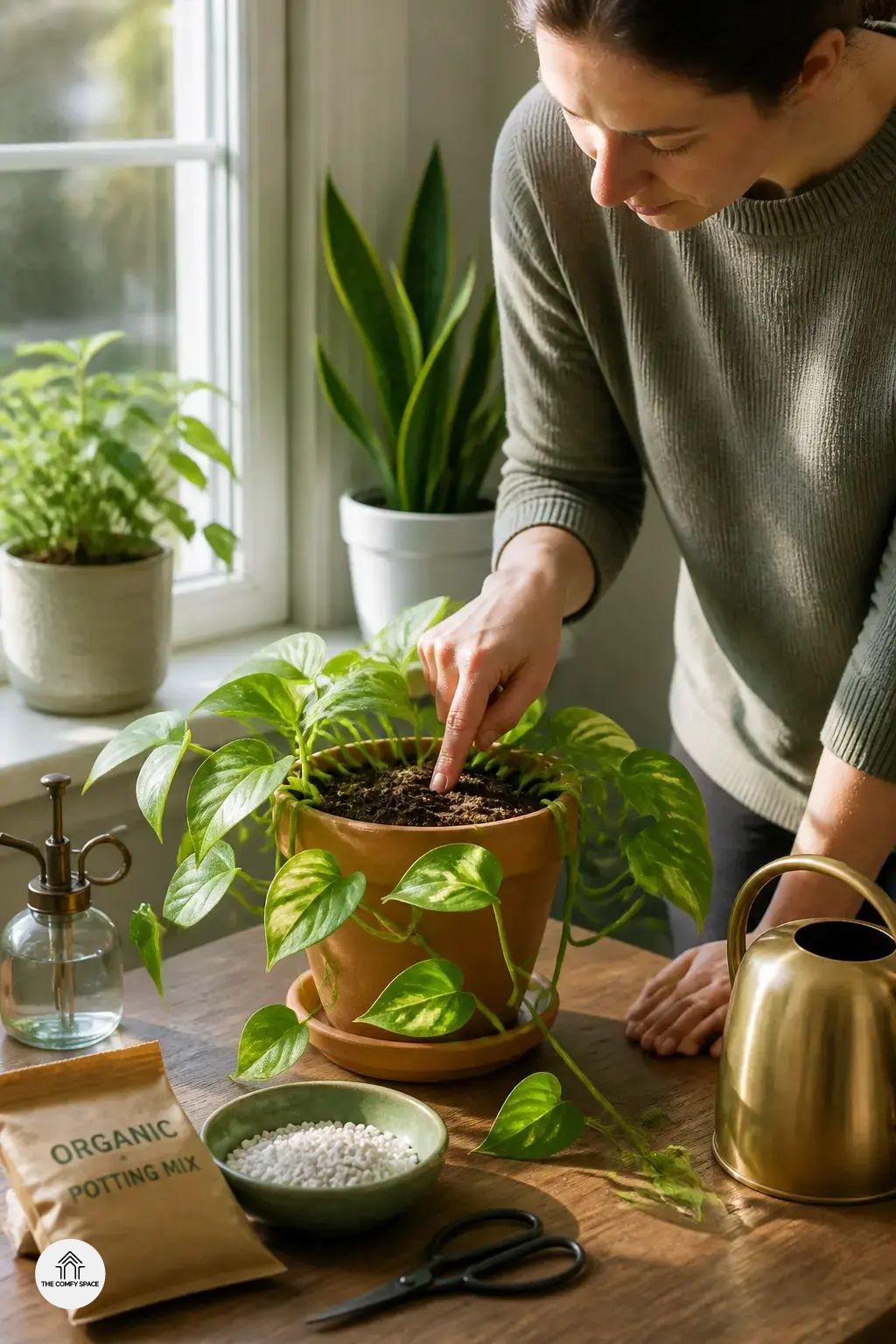
- Always test the top inch of soil before watering
- Water only when it feels dry
- Adjust based on your room’s light and temperature
“Plants rarely need a schedule as much as they need attention,” says indoor gardening expert Maria Lopez.
That small habit can save your plant from getting drowned—and save you a trip to the garden center at the last minute.
Light, Placement, and the Seasonal Shuffle
When the seasons change, my plants basically start sending signals like tiny, leafy drama queens. In winter, I scoot them closer to windows for more light, but I learned the hard way that cold drafts can make them sulk fast. As one plant expert says,
“Light is food, but temperature is comfort.”
That little reminder saved my pothos after a frosty week near the glass.
Summer brings a different mess. I watch for harsh sun that can scorch leaves faster than a forgotten pan on the stove. I also rotate pots every couple of weeks so they don’t lean like they are tired of life. It is a simple habit, and honestly, it feels like giving each plant a fair shot at looking its best.
Humidity and Temperature Tricks for Indoor Comfort
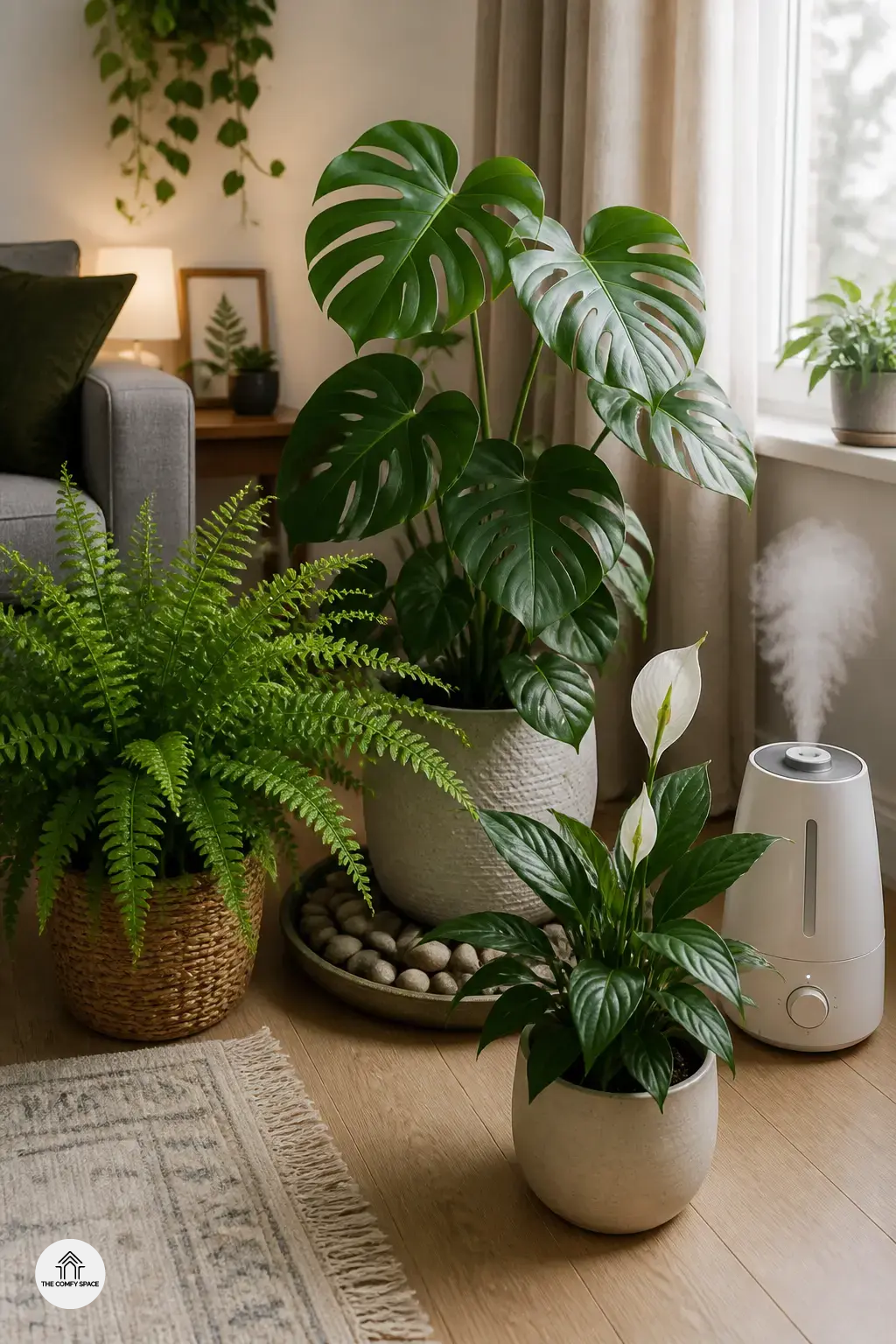
When winter turns your living room into a desert, your tropical plants start acting dramatic. I learned that the hard way after leaving a fern too close to a heater from a big-box store run, and yep, it crisped up fast. Dry winter air can stress tropical plants, so try a tray of pebbles or a humidifier. As plant specialist Lisa Eldred Steinkopf says,
“Humidity is a small change that makes a big difference.”
Keep plants away from radiators, air conditioners, and sneaky drafty windows. They hate that roller-coaster. Grouping plants together also helps create a cozy mini climate indoors, which feels a little like plant friends huddling for survival.
- Move pots a few feet from heat sources
- Check leaf edges for dryness weekly
- Cluster plants for extra moisture support
Feeding and Pruning Without Overdoing It
Feeding and pruning sound simple, until you get a little too enthusiastic. I once overfed a pothos like it was training for a marathon, and the plant was not impressed. During spring and summer, give indoor plants a gentle boost with fertilizer, then slow down in cooler months when growth relaxes. “More is not better when it comes to plant food,” says horticulturist Lisa Eldred Steinkopf.
Trim dead leaves and spent stems with clean scissors to keep things tidy and help fresh growth come through. It is a small job, but it makes a big difference in a healthy home environment. I usually do a quick plant check while waiting for coffee to brew, because who has time for a full garden tour? A few smart cuts and a light feed can keep your leafy roommates happy, even if you grabbed the wrong fertilizer at the store once.
Repotting, Pest Checks, and Store-Bought Solutions
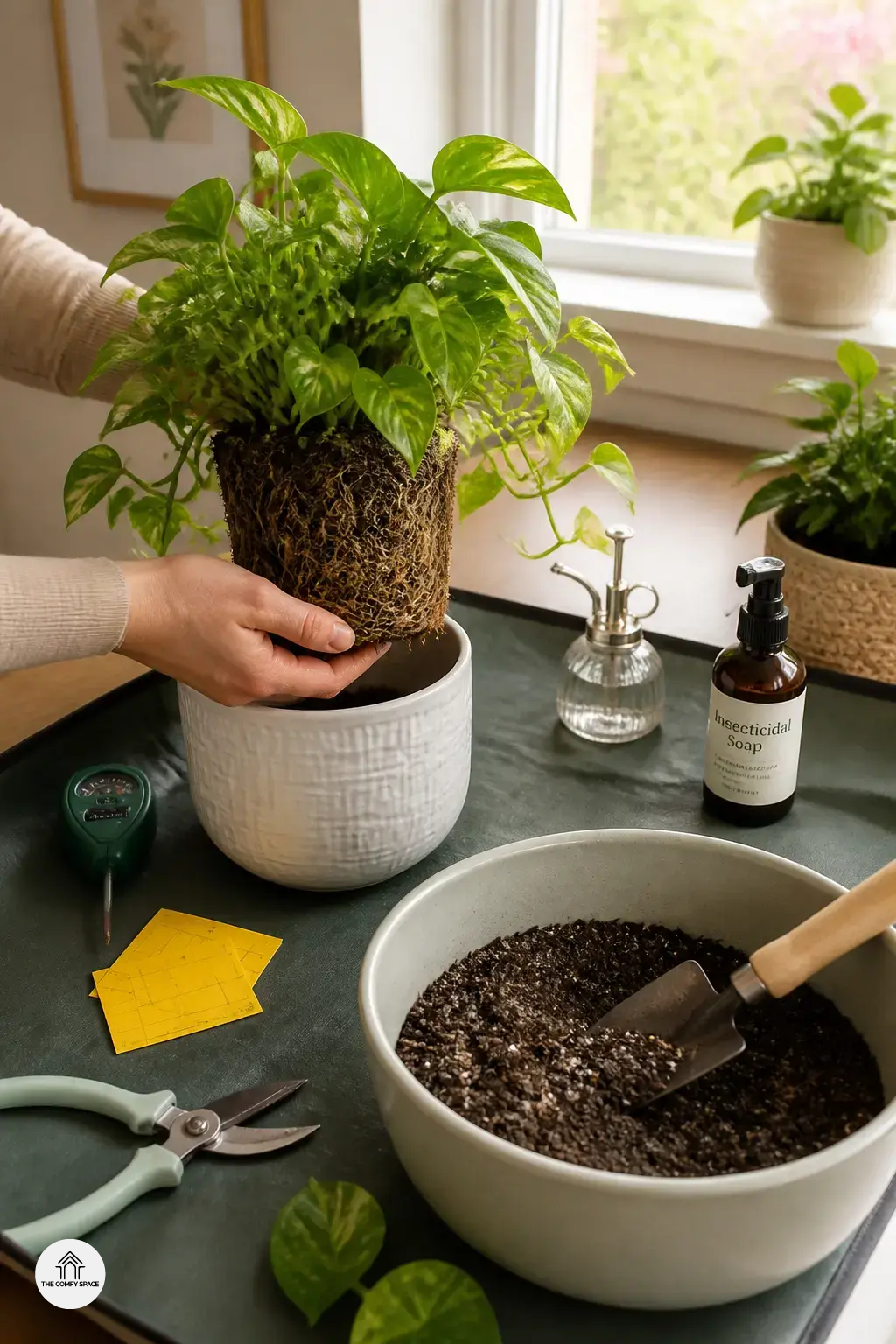
Spring is usually my cue to check if a plant is basically begging for a bigger home. If roots are circling the pot or the soil turns bone-dry way too fast, it’s probably time to repot. I once waited too long and my pothos looked like it had given up on life. A fresh pot and new mix made all the difference. “Healthy roots are the quiet secret behind healthy leaves,” says horticulturist Lisa Grant.
Season changes are also prime time for pest drama, so give leaves and soil a close look for spider mites or fungus gnats. A quick fix often starts with basics from Home Depot, Lowe’s, or Walmart. Grab sticky traps, fresh potting mix, or insecticidal soap, and you’re back in business before the plants start acting offended.
Building a Healthy Home with Small Plant Habits
Building a healthy home with small plant habits does not need to feel like a full-time job. A few minutes each week can make a big difference. I used to forget watering until my poor pothos looked dramatic enough to qualify for a soap opera. Now I keep a simple seasonal checklist: water, dust the leaves, and check the light. As plant expert Lisa Eldred Steinkopf says,
“Consistency matters more than perfection.”
Those tiny routines help healthy houseplants do their quiet job: making your space feel calmer, fresher, and more put together. It is a small win, but honestly, it feels great. Even a quick stop at a familiar store for a mister or new pot can turn into a reset for your whole room. The best part? You learn as you go, and your plants forgive almost everything except total neglect.